We hear whispers of escape, of disconnecting to reconnect. Two popular antidotes to this modern malaise often surface: the rigid discipline of a digital detox and the serene embrace of a nature retreat. But when it comes to truly recalibrating our minds, bodies, and souls, which one holds the key to deeper healing? Is it simply about putting down your phone, or is there something more profound to be gained from immersing yourself in the wild? This leads us to the heart of the matter: digital detox vs. nature retreat – which one truly heals better?
We've all felt the insidious creep of digital fatigue: the restless sleep, the scattered focus, the underlying hum of anxiety fueled by constant connectivity. It's a clear signal that something needs to shift. For some, the answer lies in a hard reset from screens. For others, the call of the wild, the rustle of leaves, and the scent of pine needles offer a more ancient, instinctive path to restoration.
In this comprehensive guide, we're going to explore the unique powers of both approaches. We'll unravel what’s the difference between a digital detox and a nature retreat, delve into the profound benefits of digital detox and the transformative power of nature retreat healing, and ultimately help you decide which path, or perhaps a combination of both, will best serve your quest for genuine well-being and lasting peace.
1. What’s the difference between a digital detox and a nature retreat?



To truly understand the healing potential when considering digital detox vs. nature retreat, it's crucial to grasp their fundamental distinctions. While they often overlap, their primary focus, methods, and intended outcomes are different.
Let's break down what’s the difference between a digital detox and a nature retreat:
Digital Detox:
-
Primary Focus: The core aim of a digital detox is to unplug from technology and reduce or eliminate screen time and digital consumption for a set period. It's about consciously disconnecting from smartphones, computers, tablets, social media, emails, and often, even television.
-
Methodology: The methodology centers on screen time reduction and minimizing digital stimulation. This can range from simply turning off notifications and putting your phone away for a few hours, to a complete ban on all devices for days or weeks. It often involves setting strict personal rules about digital usage.
-
Location: A digital detox can theoretically be done anywhere – in your own home, on a traditional vacation, or even in an urban environment. The environment itself is secondary to the act of disconnecting from devices. While some specifically choose tech-free vacations, the location isn't inherently what makes it a detox.
-
Intended Outcome: The main goals are to alleviate digital burnout recovery, improve focus and attention span, reduce anxiety stemming from constant connectivity, enhance real-world interactions, and break compulsive digital habits. It tackles the source of overload – the digital world.
-
Examples: Turning off your phone for a weekend, uninstalling social media apps, having "no-phone" dinner rules, taking a tech-free weekend trip (which could be in nature, but doesn't have to be).
-
Analogy: It's like removing a specific irritant or allergen from your environment to see if your symptoms improve.
Nature Retreat:
-
Primary Focus: A nature retreat is about immersion in a natural environment to promote healing, relaxation, and rejuvenation. The emphasis is on reconnecting with the natural world, its rhythms, and its inherent calming qualities.
-
Methodology: The methodology involves spending significant time outdoors, engaging with natural elements. This can include activities like hiking, forest bathing, meditating in nature, gardening, or simply sitting and observing the natural surroundings. While often implicitly tech-free, the absence of technology is usually a secondary outcome of the presence of nature, rather than the primary goal.
-
Location: By definition, a nature retreat takes place in a natural setting – forests, mountains, beaches, national parks, or rural landscapes. The environment is central and essential to the experience. This is where nature retreat healing truly takes root.
-
Intended Outcome: The goals are often broader, encompassing stress reduction (stress relief in nature), improved mood, enhanced mental health and nature connection, increased mindfulness (mindfulness in nature), physical activity, and a deeper sense of perspective and well-being through the healing power of nature. It introduces a beneficial element – nature itself.
-
Examples: A week-long trip to a remote cabin, a guided forest bathing walk, camping, a retreat center specifically designed for nature immersion, or even regular walks in a local park.
-
Analogy: It's like introducing a powerful balm or restorative agent to soothe and heal your system.
People Also Ask: What’s the difference between a digital detox and a nature retreat? The core difference between a digital detox and a nature retreat lies in their primary focus. A digital detox is fundamentally about reducing or eliminating technology use and unplugging from technology to alleviate digital burnout recovery and improve focus, irrespective of location. Conversely, a nature retreat is about deliberate immersion in a natural environment to promote healing, relaxation, and nature retreat healing through direct engagement with nature's calming qualities, such as forest bathing and mindfulness in nature. While tech-free, the absence of devices in a nature retreat is typically a byproduct of the inherent experience rather than its main goal.
In essence, a digital detox is about removing something (technology), while a nature retreat is about adding something (nature's restorative presence). The most potent healing often combines both.
2. Which is better for mental health: digital detox or nature retreat?
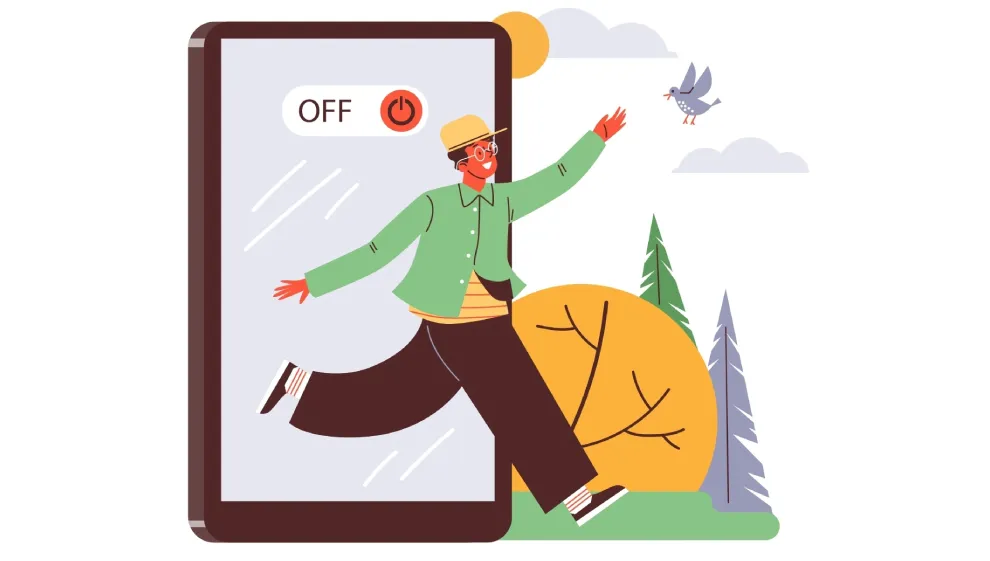

The question Which is better for mental health: digital detox or nature retreat? doesn't have a simple "either/or" answer. Both offer significant and distinct benefits for mental health, and for many, the optimal solution lies in combining the two. However, their mechanisms of action are different, addressing different facets of modern mental strain.
Let's explore the individual strengths of each when considering mental health and nature vs. digital disconnection:
Benefits of a Digital Detox for Mental Health:
-
Reduces Overstimulation and Cognitive Overload: Constant notifications, information streams, and the pressure to respond immediately create a state of perpetual alertness. A digital detox provides a much-needed break from this cognitive overload, allowing the brain to rest and reset. This directly aids digital burnout recovery.
-
Decreases Comparison Culture and Social Pressure: Social media, in particular, can foster feelings of inadequacy, anxiety, and FOMO (Fear Of Missing Out) due to endless comparisons. Unplugging removes this pressure cooker, leading to improved self-esteem and reduced social anxiety.
-
Improves Focus and Attention Span: Our digital habits have rewired our brains for constant novelty and quick gratification, diminishing our ability to concentrate deeply. A detox helps retrain the brain for sustained attention, benefiting work and daily life. This answers does a digital detox improve sleep and focus?
-
Enhances Real-World Engagement: When not glued to screens, individuals are more likely to engage with their immediate environment, pursue hobbies, and have more meaningful in-person interactions, fostering genuine connection.
-
Better Sleep Quality: Blue light from screens interferes with melatonin production, disrupting sleep. Removing devices, especially before bed, significantly improves sleep patterns and quality. This also answers does a digital detox improve sleep and focus?
-
Reduces "Dopamine Addiction": Constant checking of devices creates dopamine hits that can lead to addictive behavior. A detox helps break this cycle, restoring healthier reward pathways.
Benefits of a Nature Retreat for Mental Health:
-
Profound Stress and Anxiety Reduction: Nature's calming effect is scientifically proven. Exposure to green spaces lowers cortisol levels (stress hormone), reduces blood pressure, and decreases heart rate. Sounds of nature (birds, water) are inherently calming. This directly answers how does nature reduce stress and anxiety? and highlights stress relief in nature.
-
Mood Enhancement: Spending time in nature can significantly boost mood, reduce symptoms of depression, and increase feelings of happiness and vitality. Sunlight exposure boosts Vitamin D and serotonin. This is the healing power of nature.
-
Restores Cognitive Function (Attention Restoration Theory): Natural environments are "softly fascinating," capturing attention effortlessly without demanding directed focus. This allows the prefrontal cortex (responsible for directed attention) to rest and recover, improving concentration and cognitive clarity.
-
Boosts Physical Activity: Nature encourages movement – walking, hiking, climbing – which releases endorphins and further improves mental well-being.
-
Fosters Mindfulness and Presence: Nature naturally draws you into the present moment – observing a tree, listening to a stream, feeling the breeze. This organic mindfulness in nature is deeply restorative.
-
Promotes awe and Perspective: The vastness and beauty of nature can inspire awe, leading to a sense of perspective and reducing the perceived magnitude of personal problems.
-
Strengthens Immune System (Forest Bathing): Practices like forest bathing (Shinrin-Yoku) have been shown to boost Natural Killer (NK) cell activity, which supports immune function. This is a key forest bathing benefit.
Conclusion: The Synergistic Approach
Neither is inherently "better" in all circumstances.
-
A digital detox directly addresses the causes of digital fatigue, overstimulation, and social media-induced anxiety. It's about removing the negative input.
-
A nature retreat introduces powerful positive inputs that actively soothe the nervous system, restore cognitive function, and elevate mood through ancient, inherent human connections to the natural world.
For the deepest, most comprehensive healing, the ideal scenario is often a tech-free vacation spent in nature. This combines the removal of digital stressors with the active restorative power of the natural environment. It's about addressing the problem and simultaneously applying the antidote. This often makes a wellness retreat vs digital detox in an urban setting far more impactful.
People Also Ask: Which is better for mental health: digital detox or nature retreat? Both digital detox and nature retreat offer significant benefits for mental health, but through different mechanisms. A digital detox directly reduces overstimulation, comparison, and screen-induced sleep disruption, aiding digital burnout recovery and improving focus. A nature retreat, on the other hand, profoundly reduces stress and anxiety by lowering cortisol, boosts mood, restores cognitive function through mindfulness in nature, and enhances physical activity and immune health (e.g., forest bathing benefits). For optimal healing, a combination, such as a tech-free vacation immersed in nature, is often superior, as it removes the digital stressor while actively applying the healing power of nature.
So, while you can do a digital detox anywhere (can you do a digital detox without going on a retreat? Yes), combining it with nature's embrace offers a powerful synergy for holistic mental wellness.
3. Can you do a digital detox without going on a retreat?


The question Can you do a digital detox without going on a retreat? is a common and important one, especially for those who can't easily escape to a remote location. The answer is a definitive YES! While a dedicated retreat can amplify the effects, the core principles of a digital detox are about intentional screen time reduction and unplugging from technology, which can be implemented anywhere, anytime.
Here’s how you can effectively conduct a digital detox without leaving your home or city:
-
Define Your Rules and Boundaries:
-
Specificity is Key: Don't just say "I'll use my phone less." Be specific.
-
"No phone at meals."
-
"No social media after 8 PM."
-
"No screens for the first hour after waking up."
-
"Designated tech-free zones in the house (e.g., bedroom)."
-
"One day a week completely offline (e.g., 'Digital Sabbath')."
-
-
Communicate: Inform family and friends about your detox intentions so they understand why you might not be immediately responsive.
-
-
Start Small and Gradually Increase:
-
You don't need to go from 24/7 connectivity to zero overnight. Begin with small, manageable steps.
-
Examples: A tech-free hour, then a tech-free evening, then a tech-free half-day weekend, building up to longer periods as you get comfortable.
-
-
Physical Removal of Devices:
-
Out of Sight, Out of Mind: Store devices in a drawer, a different room, or even a locked box during your detox periods.
-
Charging Stations: Create a designated charging spot outside your bedroom.
-
Delete Apps: Uninstall addictive social media, news, or gaming apps that tempt you. You can always reinstall them later.
-
-
Replace Digital Habits with Analog Activities:
-
This is crucial for success. If you just remove technology without replacing it with something else, you'll likely feel bored and revert to old habits.
-
Examples:
-
Read physical books.
-
Engage in hobbies: Drawing, painting, knitting, playing a musical instrument, cooking, gardening.
-
Spend time in nature (even urban nature): Go for a walk in a local park, sit by a tree, notice the sky. This blends digital detox vs nature retreat benefits.
-
Connect in person: Call or meet a friend or family member for a coffee or chat.
-
Journal or write letters.
-
Do puzzles or board games.
-
Exercise: Go for a run, do yoga, etc.
-
-
-
Utilize Tools and Features:
-
"Do Not Disturb" Mode: Use it strategically.
-
Grayscale Mode: On smartphones, this can make screens less appealing.
-
App Limiters: Many phones have built-in features to limit app usage.
-
Website Blockers: For computers, use browser extensions to block distracting sites during work or detox periods.
-
-
Practice Mindfulness and Self-Awareness:
-
Pay attention to the urge to check your phone. What emotion or thought is driving it? Acknowledge it without judgment, and then redirect your attention. This aligns with mindfulness in nature principles, even indoors.
-
Notice how you feel during and after your detox periods. Does your sleep and focus improve? Does your anxiety lessen?
-
People Also Ask: Can you do a digital detox without going on a retreat? Yes, you can absolutely do a digital detox without going on a retreat. The essence of a digital detox is to intentionally unplug from technology and engage in screen time reduction, which can be achieved anywhere. This involves setting clear boundaries for device usage, starting with small, manageable steps, physically removing tempting devices, and crucially, replacing digital habits with engaging analog activities like reading, hobbies, or even just a walk in a local park. Utilizing built-in phone features and practicing self-awareness can further support the goal of digital burnout recovery without the need for a specific tech-free vacation destination.
The key is intentionality and consistency. By implementing these strategies, you can reap many of the benefits of digital detox right where you are.
4. What are the benefits of a nature retreat?

The question What are the benefits of a nature retreat? unlocks a treasure trove of advantages for both physical and mental well-being. A nature retreat is more than just a vacation; it's a deliberate immersion in the natural world designed to harness the profound healing power of nature. These benefits extend far beyond simply unplugging, making it a powerful antidote to modern stressors.
Here are the key benefits of a nature retreat:
-
Profound Stress Reduction:
-
Lower Cortisol: Studies consistently show that spending time in natural environments lowers levels of cortisol, the primary stress hormone.
-
Reduced Blood Pressure & Heart Rate: Even short exposures to nature can lead to physiological changes that indicate deep relaxation.
-
Less Rumination: Nature helps interrupt negative thought patterns and rumination, which often fuel anxiety and depression. This directly answers how does nature reduce stress and anxiety?
-
-
Enhanced Mood and Reduced Symptoms of Depression/Anxiety:
-
Serotonin & Endorphins: Physical activity in nature releases feel-good neurotransmitters.
-
Vitamin D: Exposure to natural sunlight helps the body produce Vitamin D, which is linked to mood regulation.
-
Biophilia Effect: Humans have an innate tendency to connect with nature, and fulfilling this need boosts mood and overall well-being.
-
This is a core aspect of mental health and nature connection.
-
-
Improved Cognitive Function and Creativity:
-
Attention Restoration Theory (ART): Natural environments provide "soft fascination," allowing the directed attention system (used for focused tasks) to rest and recover. This restores cognitive resources, improving focus, memory, and problem-solving abilities.
-
Boosts Creativity: Research suggests spending time in nature can significantly enhance creative thinking and open-mindedness.
-
-
Boosted Physical Activity:
-
Nature often encourages movement – hiking, walking, exploring – leading to improved cardiovascular health, strength, and overall physical fitness. This is naturally integrated into nature retreat healing.
-
-
Strengthened Immune System (Forest Bathing / Shinrin-Yoku):
-
Phytoncides: Trees release aromatic compounds called phytoncides. Inhaling these compounds has been shown to increase the activity of Natural Killer (NK) cells, which are part of our immune defense against viruses and cancer. This highlights forest bathing benefits and contributes to nature therapy.
-
-
Greater Mindfulness and Presence:
-
Nature inherently draws your attention to the present moment – the sounds, sights, smells, and sensations. This fosters an effortless state of mindfulness in nature, reducing overthinking about the past or future.
-
-
Increased Sense of Perspective and Awe:
-
Being in vast natural landscapes (mountains, oceans, ancient forests) can evoke a sense of awe, which has been linked to increased humility, prosocial behavior, and a reduction in self-focused rumination. It helps put daily stressors into perspective.
-
-
Better Sleep Quality:
-
Reduced stress, increased physical activity, and exposure to natural light cycles during the day can significantly improve sleep patterns and depth, which are vital for digital burnout recovery.
-
-
Deeper Connection to Self and Purpose:
-
The quiet and solitude of a nature retreat can provide space for introspection, self-reflection, and a clearer understanding of personal values and goals.
-
People Also Ask: What are the benefits of a nature retreat?* The benefits of a nature retreat are extensive, leading to profound stress relief in nature by lowering cortisol and blood pressure, and significantly enhancing mood while reducing symptoms of anxiety and depression, thanks to the healing power of nature. They improve cognitive function and boost creativity by allowing directed attention to rest, encourage physical activity, and strengthen the immune system through practices like forest bathing benefits (due to phytoncides). Furthermore, nature retreats foster greater mindfulness in nature and a sense of awe, offering perspective, improving sleep quality, and promoting a deeper connection to self, all contributing to holistic nature retreat healing and aiding in digital burnout recovery.
In summary, a nature retreat offers a powerful, multi-faceted approach to well-being, leveraging the innate human connection to the natural world for comprehensive physical and mental restoration. It effectively combines unplugging from technology with active engagement in a restorative environment.
5. How does nature reduce stress and anxiety?


The question How does nature reduce stress and anxiety? delves into the fascinating science behind what many of us intuitively feel: that a walk in the woods or a moment by the ocean simply feels good. The calming effect of nature is not just anecdotal; it's supported by a growing body of scientific research that reveals profound physiological and psychological mechanisms. This explains the core of stress relief in nature and why mental health and nature are so deeply intertwined.
Here’s how nature works its magic to reduce stress and anxiety:
-
Physiological Calming (Parasympathetic Activation):
-
Lower Cortisol: Studies consistently show that exposure to natural environments (even looking at green spaces from a window) significantly lowers levels of cortisol, the body's primary stress hormone.
-
Reduced Blood Pressure and Heart Rate: Time in nature activates the parasympathetic nervous system, responsible for the "rest and digest" response, leading to a decrease in blood pressure and heart rate. This is the opposite of the "fight or flight" response triggered by stress.
-
Muscle Relaxation: The overall calming effect translates to reduced muscle tension.
-
-
Attention Restoration Theory (ART):
-
"Soft Fascination": Natural environments are filled with stimuli that gently capture our attention (e.g., rustling leaves, flowing water, birdsong). This is known as "soft fascination."
-
Directed Attention Rest: Unlike urban environments or digital screens that demand "directed attention" (requiring effortful focus and inhibiting distractions), nature allows our directed attention to rest and recover.
-
Cognitive Restoration: This allows our cognitive resources to replenish, improving focus, concentration, and reducing mental fatigue, which is often a source of stress and anxiety.
-
-
Sensory Immersion and Grounding:
-
Multi-Sensory Experience: Nature engages all our senses in a non-overwhelming way – the sounds of birds, the scent of earth and plants (especially phytoncides from trees, which offer forest bathing benefits), the feel of sun or wind on skin, the sight of organic patterns.
-
Present Moment Focus: This sensory immersion pulls us out of our heads (where worries often reside) and into the present moment, fostering an effortless state of mindfulness in nature. This reduces rumination about the past and anxiety about the future.
-
-
Biophilia and Innate Connection:
-
Innate Human Need: The Biophilia Hypothesis suggests that humans have an innate, genetic predisposition to connect with nature and other living systems. Fulfilling this deep-seated need brings a sense of comfort, belonging, and peace.
-
Evolutionary Comfort: Our ancestors evolved in natural settings, and our brains are wired to perceive these environments as safe and restorative.
-
-
Physical Activity and Endorphin Release:
-
Nature encourages movement – walking, hiking, gardening. Physical activity releases endorphins, natural mood lifters that act as potent stress and anxiety reducers.
-
-
Sense of Awe and Perspective:
-
Encountering grand natural landscapes (mountains, oceans, vast forests) can evoke a sense of awe. Awe has been shown to reduce feelings of self-importance and rumination, helping individuals put their problems into perspective and feel less overwhelmed. This is part of the healing power of nature.
-
People Also Ask: How does nature reduce stress and anxiety?* Nature reduces stress and anxiety through several profound mechanisms. It physiologically calms the body by lowering cortisol levels, blood pressure, and heart rate, activating the parasympathetic nervous system. Through Attention Restoration Theory, nature's "soft fascination" allows directed attention to rest, restoring cognitive function and reducing mental fatigue. Sensory immersion pulls us into the present moment, fostering mindfulness in nature. Our innate biophilia, physical activity that releases endorphins, and the sense of awe inspired by natural landscapes all contribute to deep stress relief in nature and enhance overall mental health and nature connection, making it a powerful form of nature therapy.
By engaging these mechanisms, nature provides a powerful and holistic antidote to the pressures of modern life, offering deep and lasting nature retreat healing.
6. Does a digital detox improve sleep and focus?


The question Does a digital detox improve sleep and focus? is highly relevant in our screen-saturated world, and the answer, supported by scientific evidence and widespread anecdotal experience, is a resounding YES. Reducing screen time and unplugging from technology directly addresses key factors that impair both sleep quality and sustained attention, making it a crucial component of digital burnout recovery.
Here’s how a digital detox positively impacts sleep and focus:
Impact on Sleep:
-
Reduces Blue Light Exposure:
-
Melatonin Suppression: Digital screens (smartphones, tablets, computers, TVs) emit blue light. This particular wavelength of light signals to the brain that it's daytime, suppressing the production of melatonin, the hormone that regulates our sleep-wake cycle (circadian rhythm).
-
Delayed Sleep Onset: Using screens, especially in the hours leading up to bedtime, delays the release of melatonin, making it harder to fall asleep.
-
Disrupted Sleep Quality: Even if you manage to fall asleep, blue light exposure can reduce the quality of your sleep, particularly REM sleep, leaving you feeling less refreshed.
-
Digital Detox Solution: Removing devices, particularly for 1-2 hours before bed, allows your body to naturally produce melatonin, facilitating easier sleep onset and deeper, more restorative sleep. This is a core benefit of digital detox.
-
-
Decreases Mental Stimulation and Arousal:
-
"Always On" Brain: Engaging with digital content (social media, news, emails, games) is mentally stimulating. It keeps your brain active, alert, and engaged, making it difficult to wind down.
-
Anxiety and Stress: Scrolling through news feeds, dealing with work emails, or comparing yourself to others on social media can induce anxiety and stress, which are antithetical to relaxation and sleep.
-
Digital Detox Solution: Disconnecting allows your brain to shift from an "on-alert" state to a calmer, more relaxed state, conducive to sleep.
-
Impact on Focus:
-
Restores Attention Span (Reduces "Switch-Tasking"):
-
Constant Interruptions: Digital devices are designed to interrupt us with notifications, alerts, and constant new information. This trains our brains for "switch-tasking" (rapidly shifting attention), rather than sustained focus.
-
Diminished Deep Work: Our capacity for deep, concentrated work on a single task is eroded by this constant context-switching.
-
Digital Detox Solution: By removing these interruptions, a digital detox allows your brain to retrain itself for sustained, focused attention. You become more capable of engaging deeply with tasks without the urge to check something else.
-
-
Reduces Cognitive Overload:
-
Information Overload: The sheer volume of information we consume digitally can overwhelm our cognitive processing capacity, leading to "brain fog" and reduced clarity.
-
Mental Fatigue: Constantly processing new inputs leads to mental fatigue, making sustained focus difficult.
-
Digital Detox Solution: Stepping away from this constant stream allows your brain to declutter, process, and rest, leading to improved clarity and the ability to focus effectively.
-
-
Decreases Distractibility and Urge to Check:
-
The habit of compulsively checking devices becomes ingrained. Even when not actively using a device, the urge to check it can be a significant distraction.
-
Digital Detox Solution: Breaking the cycle of checking helps reduce this underlying restlessness, freeing up mental energy for genuine focus.
-
People Also Ask: Does a digital detox improve sleep and focus?* Yes, a digital detox significantly improves sleep and focus. By reducing exposure to blue light, particularly before bedtime, it allows for natural melatonin production, leading to easier onset and higher quality sleep. It also decreases the mental stimulation and anxiety associated with constant digital engagement, promoting a calmer state conducive to rest. For focus, a detox helps restore attention span by reducing "switch-tasking" from constant notifications and alleviates cognitive overload, ultimately training the brain for sustained, deep concentration, which is a key benefit of digital detox and aids in digital burnout recovery.
In essence, a digital detox allows your brain to reset from the constant demands of the digital world, creating the optimal conditions for both restful sleep and sharp, sustained focus. This is a powerful form of wellness retreat vs digital detox urban environment, even if done at home.
7. How long should a digital detox last?


The question How long should a digital detox last? doesn't have a one-size-fits-all answer, as the ideal duration depends on your personal goals, current level of digital dependence, and lifestyle. However, effective digital detoxes typically range from a few hours to a few weeks, with different durations offering different benefits of digital detox.
Here's a breakdown of recommended durations and what each can achieve:
-
Short-Term (Hours to 1 Day):
-
Duration: A few hours (e.g., tech-free evening), a half-day, or a full 24-hour period (often called a "Digital Sabbath").
-
What it Achieves:
-
Immediate Relief: Provides an immediate break from notifications and cognitive overload.
-
Rest & Reset: Allows for a momentary mental and emotional reset.
-
Increased Presence: Helps you engage more fully with in-person interactions, hobbies, or nature.
-
Awareness: Good for building awareness of your digital habits and triggers.
-
-
Who it's for: Anyone looking for a quick reset, or beginners testing the waters. Ideal for regular, weekly practice.
-
-
Medium-Term (2-7 Days):
-
Duration: A weekend, a few weekdays, or a full week. This often aligns with a short tech-free vacation or a staycation.
-
What it Achieves:
-
Habit Disruption: Long enough to significantly disrupt ingrained digital habits and break the compulsive checking cycle.
-
Deeper Restoration: Allows for more profound mental and emotional restoration. You'll likely notice significant improvements in sleep and focus.
-
Rediscovery: Provides ample time to rediscover hobbies, reconnect with loved ones, or immerse yourself in nature. This is where the synergy of digital detox vs nature retreat becomes potent.
-
Reduced Anxiety: Significant reduction in social media-induced anxiety and FOMO.
-
-
Who it's for: Most people who feel signs of digital burnout recovery or general digital overwhelm. This is often recommended for initial "hard resets."
-
-
Long-Term (1-4 Weeks or More):
-
Duration: A full week, two weeks, or even a month or more. This is less common but can be highly transformative.
-
What it Achieves:
-
Profound Rewiring: Can significantly rewire your brain's relationship with technology, reducing dependence and craving.
-
New Lifestyle Habits: Allows you to establish new, healthier routines and habits that integrate technology more mindfully.
-
Deeper Self-Discovery: Provides extensive time for introspection, creativity, and addressing underlying issues that technology might have been masking.
-
Sustained Benefits: The benefits (e.g., improved mental health and nature connection, better stress and performance) are likely to be more sustained post-detox.
-
-
Who it's for: Individuals experiencing severe digital burnout recovery, those seeking significant lifestyle changes, or those going on extended wellness retreat vs digital detox dedicated experiences.
-
Key Considerations for Duration:
-
Your Goals: What do you hope to achieve? A quick reset or a fundamental shift?
-
Your Dependence: If you're heavily reliant on devices for work or personal life, starting with shorter durations might be more realistic.
-
Practicality: Work, family, and other commitments will influence what's feasible.
-
Reintegration Strategy: Regardless of duration, plan how you'll reintroduce technology mindfully afterward to avoid slipping back into old habits.
People Also Ask: How long should a digital detox last?* The ideal duration for a digital detox varies, but effective detoxes range from hours to weeks, depending on individual goals and dependence. Short-term (hours to 1 day) offers immediate relief and presence, aiding initial screen time reduction. Medium-term (2-7 days), often coinciding with a tech-free vacation, allows for deeper habit disruption, significant improvements in sleep and focus, and a more profound digital burnout recovery. Long-term (1-4 weeks or more) can lead to profound rewiring of technology dependence and the establishment of new, healthier lifestyle habits, offering sustained benefits of digital detox and deeper mental health and nature connection. The key is planning a mindful reintegration.
Ultimately, even short, regular digital breaks can offer significant benefits. The most effective approach is often to integrate consistent short detoxes into your routine, occasionally complementing them with longer, more immersive breaks.
8. What is forest bathing and is it effective?


The question What is forest bathing and is it effective? brings us to a beautiful and powerful practice that epitomizes nature therapy and the healing power of nature. Originating in Japan as "Shinrin-Yoku" (森林浴), which literally translates to "taking in the forest atmosphere" or "forest bath," it is far more than just a walk in the woods. And yes, it is highly effective.
What is Forest Bathing (Shinrin-Yoku)?
Forest bathing is a guided, immersive practice of connecting with nature through your senses. It's not about hiking, exercising, or reaching a destination. It's about slowing down, deliberately opening your senses to the forest environment, and simply being present in nature.
Key elements of forest bathing include:
-
Mindfulness and Sensory Engagement: A typical forest bathing session involves a guide leading participants through a series of "invitations" designed to gently open the senses. These invitations might encourage you to:
-
Notice the light filtering through the leaves.
-
Listen intently to the sounds of the forest (birds, rustling leaves, flowing water).
-
Smell the earthy scent of the soil and trees (inhaling phytoncides).
-
Feel the texture of bark, moss, or leaves.
-
Taste the fresh air.
-
-
Slow Pace: It's done at a leisurely, meandering pace, often covering very short distances over several hours.
-
Non-Goal Oriented: There's no performance pressure, no destination to reach, no calories to burn. The goal is simply to be present and connect.
-
Restorative Immersion: It encourages deep relaxation and allows the natural environment to work its therapeutic effects. This is a powerful form of mindfulness in nature.
Is Forest Bathing Effective? (The Science Behind It):
Yes, numerous scientific studies, particularly from Japan where it originated, have demonstrated the remarkable effectiveness of forest bathing for both physical and mental well-being. These studies reveal significant forest bathing benefits:
-
Reduces Stress Hormones (Cortisol): One of the most consistent findings is a significant reduction in cortisol levels (the primary stress hormone) after spending time in a forest environment.
-
Lowers Blood Pressure and Heart Rate: Participants in forest bathing studies consistently show decreased blood pressure and heart rate, indicating a shift towards a more relaxed, parasympathetic state.
-
Boosts Immune Function (Natural Killer Cells): This is perhaps one of the most compelling findings. Trees release organic compounds called "phytoncides." Inhaling these phytoncides has been shown to increase the number and activity of Natural Killer (NK) cells in the human body, which are vital for fighting off viruses and cancer cells. This immune boost can last for days or even weeks after a forest bathing session.
-
Improves Mood and Reduces Depression/Anxiety: Participants often report increased feelings of vigor, reduced fatigue, and decreased symptoms of anxiety and depression after forest bathing. It offers profound stress relief in nature.
-
Enhances Cognitive Function and Creativity: The "soft fascination" of nature allows the brain's directed attention to rest, leading to improved focus, problem-solving, and a boost in creative thinking.
-
Better Sleep: The combination of stress reduction, physical activity, and exposure to natural light cycles during the day often leads to improved sleep quality.
-
Deeper Connection to Nature and Self: Beyond the physiological benefits, forest bathing fosters a deeper appreciation for the natural world and a stronger sense of personal connection to the environment. This is a key aspect of nature retreat healing.
People Also Ask: What is forest bathing and is it effective?* Forest bathing, or Shinrin-Yoku, is a highly effective, guided practice of immersing oneself in nature through the senses, moving slowly and mindfully without a specific goal. It's about simply being present in the forest atmosphere. It is profoundly effective, scientifically proven to significantly reduce stress and anxiety by lowering cortisol, blood pressure, and heart rate. It boosts immune function by increasing Natural Killer cell activity (due to tree phytoncides, making these significant forest bathing benefits), improves mood, enhances cognitive function and creativity, and contributes to better sleep. This practice embodies deep nature therapy and the healing power of nature, fostering genuine mindfulness in nature and providing profound nature retreat healing.
Forest bathing is a powerful, evidence-based practice that truly leverages the healing power of nature to support holistic well-being, making it a valuable complement to (or even a core part of) a digital detox vs nature retreat strategy.
9. Can nature retreats help with burnout?


The question Can nature retreats help with burnout? addresses a critical modern epidemic. Given the increasing prevalence of chronic stress, exhaustion, and cynicism in today's fast-paced world, finding effective solutions for burnout recovery is paramount. The answer is a resounding YES, nature retreats are exceptionally effective in helping individuals recover from and prevent burnout. They offer a holistic approach that directly counteracts many of burnout's root causes, making them a powerful form of nature therapy.
Here's why nature retreats are a potent antidote to burnout:
-
Reduces Chronic Stress and Overload (The Core of Burnout):
-
Physiological Reset: Burnout is often characterized by chronic activation of the sympathetic nervous system ("fight or flight"). Nature, as discussed in how does nature reduce stress and anxiety?, actively engages the parasympathetic nervous system ("rest and digest"). This physiological shift is crucial for unwinding the ingrained stress response that drives burnout.
-
Lowered Cortisol: Studies confirm that being in nature significantly reduces stress hormones like cortisol, helping the body move out of chronic stress mode.
-
Digital Disconnection: Many nature retreats are inherently or explicitly tech-free vacations, which offers a crucial break from the digital overload and constant demands that contribute to digital burnout recovery.
-
-
Restores Cognitive Function and Mental Clarity:
-
Attention Restoration Theory: Burnout often involves mental exhaustion, brain fog, and diminished focus. Nature's "soft fascination" allows the brain's directed attention to rest, replenishing cognitive resources and improving clarity, concentration, and decision-making abilities. This is a major benefit of digital detox and nature retreat healing combined.
-
Reduces Rumination: The expansive, non-demanding quality of nature helps to quiet the mind's tendency to ruminate on work problems or worries, allowing for mental space and perspective.
-
-
Replenishes Emotional Reserves:
-
Mood Elevation: Nature exposure has a proven positive effect on mood, reducing feelings of depression, anxiety, and irritability – common symptoms of burnout.
-
Sense of Awe: Experiencing awe in nature can shift perspective, reducing feelings of being overwhelmed and fostering a sense of interconnectedness and renewed purpose. This is part of the healing power of nature.
-
-
Encourages Physical Activity (Without Pressure):
-
Burnout often leads to physical inertia. Nature retreats provide gentle encouragement for movement through walks, hikes, or simple outdoor activity, which releases endorphins and boosts energy without the pressure of a gym.
-
-
Fosters Mindfulness and Presence:
-
Burnout often means living in a constant state of future-oriented worry or past-oriented regret. Nature inherently pulls you into the present moment through sensory immersion, cultivating effortless mindfulness in nature. This grounds you and helps you reconnect with yourself.
-
-
Provides a Sense of Control and Agency:
-
Burnout often stems from a feeling of lack of control. Choosing to go on a nature retreat and prioritize your well-being can be a powerful act of self-care, restoring a sense of agency over your life.
-
-
Strengthens Immune System:
-
As highlighted by forest bathing benefits, exposure to natural environments boosts immune function, which is often compromised in states of chronic stress and burnout.
-
People Also Ask: Can nature retreats help with burnout?* Yes, nature retreats are highly effective in helping with burnout. They directly combat chronic stress by physiologically calming the body and reducing cortisol levels. Many offer tech-free vacations for crucial digital burnout recovery. Nature retreats restore cognitive function and mental clarity through attention restoration, replenish emotional reserves by boosting mood and fostering a sense of awe, and encourage physical activity. They also cultivate mindfulness in nature, restore a sense of control, and strengthen the immune system (e.g., through forest bathing benefits), all of which are vital for holistic nature retreat healing and recovery from the profound exhaustion of burnout, harnessing the deep healing power of nature.
In essence, a nature retreat offers a comprehensive reset for the mind, body, and spirit, making it an invaluable tool for recovering from the depths of burnout and building resilience for the future.
10. Are tech-free retreats more effective than traditional vacations?
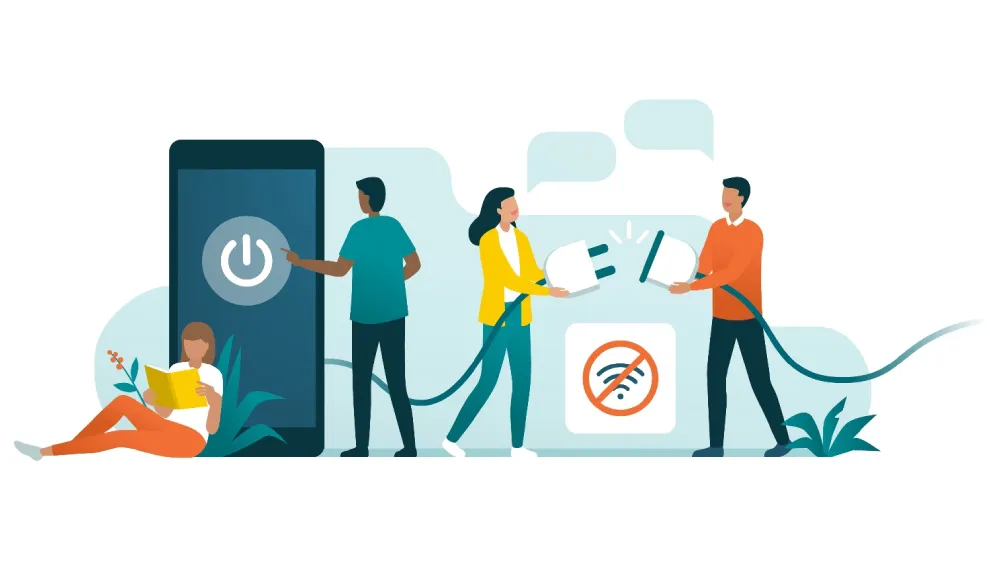

The question Are tech-free retreats more effective than traditional vacations? touches upon the quality and depth of restoration achieved during time off. While any break from routine is beneficial, the evidence suggests that tech-free vacations and dedicated retreats (especially those in nature) often offer a more profound and lasting impact on well-being than traditional vacations, particularly for addressing issues like digital burnout recovery and persistent stress. This is where the synergy of digital detox vs nature retreat truly shines.
Here's why tech-free retreats often stand out:
-
Deeper Mental Disconnection and Restoration:
-
Traditional Vacation Pitfall: On a traditional vacation, even if you're physically away from work, the constant presence of your phone, social media, and email notifications means your brain is often still "on call" and susceptible to digital distractions. You might switch contexts, but you don't fully disconnect from the mental demands of the digital world.
-
Tech-Free Advantage: A tech-free retreat (whether a formal wellness retreat vs digital detox in an urban setting, or ideally, a nature retreat healing experience) forces a complete break from this cognitive load. This allows for genuine mental decompression, reducing the stress and performance pressure caused by constant digital input. This directly addresses the need to unplug from technology for deeper rest.
-
-
Enhanced Presence and Mindfulness:
-
Traditional Vacation Distractions: On a typical vacation, people often spend significant time scrolling, taking photos for social media, or planning the next activity via apps, pulling them away from the present moment.
-
Tech-Free Advantage: Without devices, you are compelled to engage with your immediate surroundings and experiences more fully. This fosters organic mindfulness in nature or simply a greater awareness of your non-digital environment, leading to a richer, more vivid experience and deeper appreciation.
-
-
Improved Sleep Quality:
-
As discussed in does a digital detox improve sleep and focus?, blue light and mental stimulation from screens before bed severely disrupt sleep.
-
Tech-Free Advantage: Removing devices, especially in the evenings, allows for natural melatonin production and a calmer mind, leading to significantly better sleep, which is foundational for all other aspects of well-being and mental health and nature connection.
-
-
Better Cognitive Restoration and Focus:
-
The constant context-switching and information overload from digital devices fatigue the brain.
-
Tech-Free Advantage: A prolonged break allows your attention system to rest and recover, leading to improved concentration, clarity, and the ability to engage in deeper thought when you return to your routine. This is a significant benefit of digital detox.
-
-
Deeper Connection to Nature (if combined):
-
When a tech-free retreat is set in nature, the combined effect is exceptionally powerful. You're not just removing a negative (tech), you're adding a profound positive (nature's restorative qualities). This allows for deep nature therapy and a full embrace of the healing power of nature.
-
Forest bathing benefits and other nature immersion activities become the focus, rather than optional add-ons.
-
-
Addressing Root Causes of Burnout:
-
Traditional vacations might offer temporary relief, but if the underlying digital habits and constant "on-call" mentality remain, the benefits often fade quickly upon return.
-
Tech-Free Advantage: Tech-free retreats, especially those with a focus on well-being, help individuals reset their relationship with technology and stress, equipping them with tools for more sustainable habits back home. This directly helps with digital burnout recovery.
-
People Also Ask: Are tech-free retreats more effective than traditional vacations?* Yes, tech-free retreats are often more effective than traditional vacations for deeper healing. While traditional vacations offer a change of scenery, they often don't facilitate true mental disconnection, as constant digital access can lead to persistent cognitive load and hinder digital burnout recovery. Tech-free vacations, especially those integrated with nature retreat healing, force a complete unplug from technology, leading to enhanced presence, profound mindfulness in nature, significantly improved sleep and focus, and greater cognitive restoration. This combined removal of digital stressors and immersion in nature's healing power of nature provides a more comprehensive and lasting antidote to modern stress and helps address the root causes of burnout, making the digital detox vs nature retreat approach exceptionally potent.
In conclusion, while any break is good, a tech-free retreat offers a more targeted and comprehensive approach to true rejuvenation, directly addressing the core issues of digital overwhelm and allowing for a more profound connection with yourself and your environment.
Recharging Your Inner Battery: The Best of Both Worlds
The journey through digital detox vs. nature retreat reveals a powerful truth: true healing in our modern world often requires a dual approach. It's not simply about choosing one over the other, but understanding the unique strengths of each and, ideally, how they can synergize to offer profound restoration.
We’ve seen that a digital detox is a direct and necessary intervention for combating the relentless cognitive overload, comparison culture, and sleep disruption caused by constant connectivity. It’s about creating space for your mind to breathe and reclaim its focus, paving the way for genuine digital burnout recovery. Meanwhile, a nature retreat offers an ancient, deeply restorative balm for the soul. It harnesses the profound healing power of nature to lower stress hormones, boost mood, enhance cognitive function through mindfulness in nature, and even strengthen our immune system through practices like forest bathing.
So, which one heals better? The answer is less about competition and more about integration. The most potent form of healing often comes from a tech-free vacation immersed in the restorative embrace of the natural world. This allows you to unplug from technology completely, while simultaneously bathing in the therapeutic qualities of green spaces.
Ultimately, whether you commit to a strict screen time reduction at home, embark on a solo hike in the wilderness, or join a structured wellness retreat vs digital detox in a serene natural setting, the goal remains the same: to find your path to greater peace, clarity, and well-being. Listen to what your body and mind truly need. Disconnect to reconnect, and remember that sometimes, the best remedy for the modern world is simply a walk in the woods, with your phone turned off.
Maybe you are interested:
Motivation vs Discipline: What Actually Drives Real Change?
Productivity vs Mental Health: Finding the Balance Without Burning Out
More Like This

How to Improve Your Life: A Complete Guide to Personal Growth
by Emily Cooper
Why is sleep important? What do you need to know about sleep?
by Emily Cooper