On one side, there's the relentless pressure to be "on," to achieve, to tick off every item on the to-do list – the siren song of productivity. On the other side, there's a growing awareness of the fragile, yet fundamental, importance of our well-being – our mental health. It begs the question that many of us grapple with daily: when it comes to productivity vs. mental health, is it truly a zero-sum game? Can you actually excel in your work life without sacrificing your peace of mind?
For too long, society, and often our own inner critics, have pitted these two essential aspects of life against each other. We’ve been fed the narrative that to be productive, you must burn the midnight oil, push past limits, and always strive for more, often at the expense of sleep, leisure, and emotional well-being. This relentless pursuit, often fueled by hustle culture, has left many feeling depleted, anxious, and heading straight for burnout.
But what if this narrative is fundamentally flawed? What if true, sustainable productivity isn't about pushing harder, but about working smarter and, crucially, working healthier? What if prioritizing your emotional well-being and work aren't mutually exclusive, but deeply intertwined?
In this comprehensive guide, we're going to dismantle the myth that you have to choose between success and sanity. We'll explore the intricate relationship between productivity and mental health, uncover the hidden costs of ignoring your well-being in the name of output, and arm you with practical strategies to achieve genuine productivity without burnout.
1. Can productivity and mental health coexist?
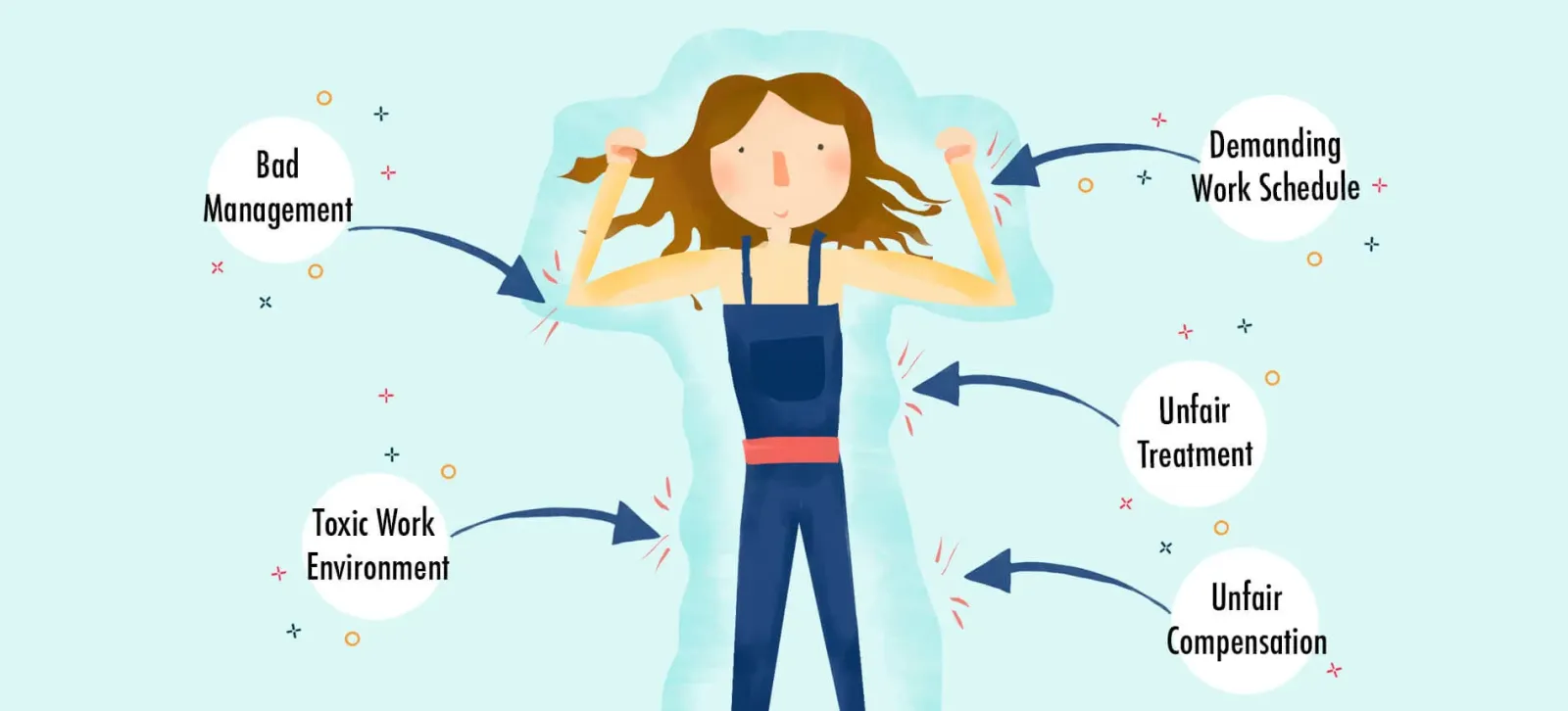


The burning question, Can productivity and mental health coexist?, is a resounding and emphatic YES. In fact, not only can they coexist, but they are intrinsically linked and mutually reinforcing. The idea that you must sacrifice one for the other is a harmful myth that leads to burnout and productivity crises. True, sustainable productivity requires good mental health.
Here’s why they are not adversaries but allies:
-
Mental Health as the Foundation of Sustainable Productivity:
-
Think of mental health as the operating system for your brain. If the operating system is buggy, sluggish, or crashing, no matter how powerful the applications (your skills, intelligence, effort) are, they won't run efficiently.
-
When your mental health is strong, you have better focus, problem-solving abilities, decision-making skills, creativity, and resilience. These are the very ingredients of high-quality, sustainable productivity.
-
Poor mental health, on the other hand, directly impacts cognitive functions, leading to decreased performance. This addresses how does poor mental health affect productivity?
-
-
The Myth of "Hustle Culture" and its Fallout:
-
The prevalent "hustle culture" often promotes the idea that constantly pushing, working long hours, and always being "on" is the path to success. This relentless grind often ignores the human cost.
-
While short bursts of intense effort are sometimes necessary, prolonged adherence to hustle culture is a direct route to burnout and productivity decline. It's unsustainable and leads to a significant drop in both the quantity and quality of work. This speaks directly to is hustle culture bad for mental health?
-
-
Long-Term vs. Short-Term Productivity:
-
Sacrificing mental health for short-term gains might seem to yield results initially, but it's a house of cards. Eventually, stress, fatigue, and emotional depletion catch up, leading to reduced output, increased errors, absenteeism, and ultimately, a complete halt in productivity.
-
Prioritizing mental health ensures long-term, consistent, and high-quality output. It's about working smarter and sustainably, not just harder. This is the essence of productivity without burnout.
-
-
Emotional Well-being Fuels Performance:
-
When individuals feel emotionally well, they are more engaged, motivated, and resilient. They can handle challenges more effectively, adapt to change, and collaborate better with colleagues. This directly connects emotional well-being and work.
-
Conversely, stress, anxiety, and depression create mental fog, decrease motivation, and make even simple tasks feel overwhelming.
-
-
The Cycle of Positive Reinforcement:
-
Good mental health allows for effective productivity. Effective productivity, when achieved in a healthy way, can contribute to a sense of accomplishment, purpose, and self-worth, which, in turn, boosts mental health. It's a virtuous cycle.
-
People Also Ask: Can productivity and mental health coexist?* Yes, productivity and mental health can absolutely coexist; they are interdependent. Strong mental health provides the foundation for sustainable, high-quality output, enhancing focus, problem-solving, and resilience, which are key to productivity without burnout. Conversely, the short-term gains promoted by hustle culture often lead to burnout and productivity decline, demonstrating that sacrificing emotional well-being and work is unsustainable and ultimately counterproductive. True productivity stems from a healthy mind.
Therefore, the aim should not be to choose between them, but to cultivate a symbiotic relationship where nurturing your mental health becomes the most strategic investment in your long-term productivity and overall success. This is the core of managing mental health at work.
2. Does high productivity cause burnout?

The question, Does high productivity cause burnout?, requires a nuanced answer. High productivity itself doesn't inherently cause burnout. What often leads to burnout is the way that "high productivity" is pursued and the underlying expectations surrounding it, particularly in the context of hustle culture. It's about the conditions, not the output.
Here's why high productivity can lead to burnout if mismanaged:
-
Unsustainable Pace and Lack of Boundaries:
-
The "More, More, More" Trap: If "high productivity" is defined as constantly doing more, working longer hours, and never truly disconnecting, then it's a direct path to burnout. The human body and mind are not designed for perpetual high-intensity output without adequate recovery.
-
Ignoring Limits: Pushing past your physical and mental limits consistently without allowing for rest, recovery, and leisure activities depletes your energy reserves. This is the core mechanism by which burnout and productivity become intertwined.
-
-
Lack of Control and Autonomy:
-
If perceived "high productivity" is driven by external pressures, unrealistic deadlines, or a feeling of constant surveillance, without any sense of control or autonomy over your work or time, it can lead to chronic stress.
-
Feeling like a cog in a machine, constantly pushing to meet targets without understanding the bigger picture or having input, is demoralizing and a major contributor to burnout.
-
-
Emotional Labor and Cognitive Load:
-
Certain types of "productive" work involve significant emotional labor (e.g., customer service, healthcare) or high cognitive load (e.g., complex problem-solving, creative tasks). If these demands are relentless without proper breaks or decompression, they can lead to mental exhaustion.
-
The brain needs time to defrag and process information; constant input and output without breaks contribute to fatigue.
-
-
Perfectionism and Self-Imposed Pressure:
-
For many, "high productivity" is intertwined with perfectionism. The internal pressure to produce flawless work, never make mistakes, and always exceed expectations is a heavy burden that can prevent adequate rest and self-compassion.
-
This internal drive, often exacerbated by hustle culture, can be more insidious than external demands.
-
-
Ignoring Warning Signs (Mental and Physical):
-
A relentless pursuit of "productivity" often means ignoring the signs that productivity is hurting my mental health, such as chronic fatigue, irritability, sleep disturbances, anxiety, or cynicism.
-
Suppressing these signals ultimately leads to a breakdown.
-
-
Misconception of Productivity:
-
True productivity is about quality, impact, and sustainable output, not just hours worked or tasks completed. Working 12 hours a day while exhausted and making errors is not productive. Working 6-8 focused hours with adequate breaks and rest is far more effective in the long run. This leads to the benefits of productivity without burnout.
-
People Also Ask: Does high productivity cause burnout?* High productivity itself does not cause burnout; rather, it's the unsustainable methods and expectations often associated with it, especially within hustle culture, that lead to burnout and productivity decline. Factors like an unrelenting pace, a lack of boundaries, feeling overwhelmed by external pressures, excessive emotional or cognitive load, and self-imposed perfectionism, all without adequate rest and recovery, are the true culprits. When individuals ignore the signs that productivity is hurting my mental health, they are on a direct path to exhaustion and cynicism, proving that short-term, unsustainable output leads to long-term health and performance crises.
Therefore, the key is to redefine what high productivity means – moving it from a measure of sheer volume and hours to one of quality, impact, and, crucially, sustainability, by embedding it within a framework that prioritizes mental health and work.
3. How does poor mental health affect productivity?
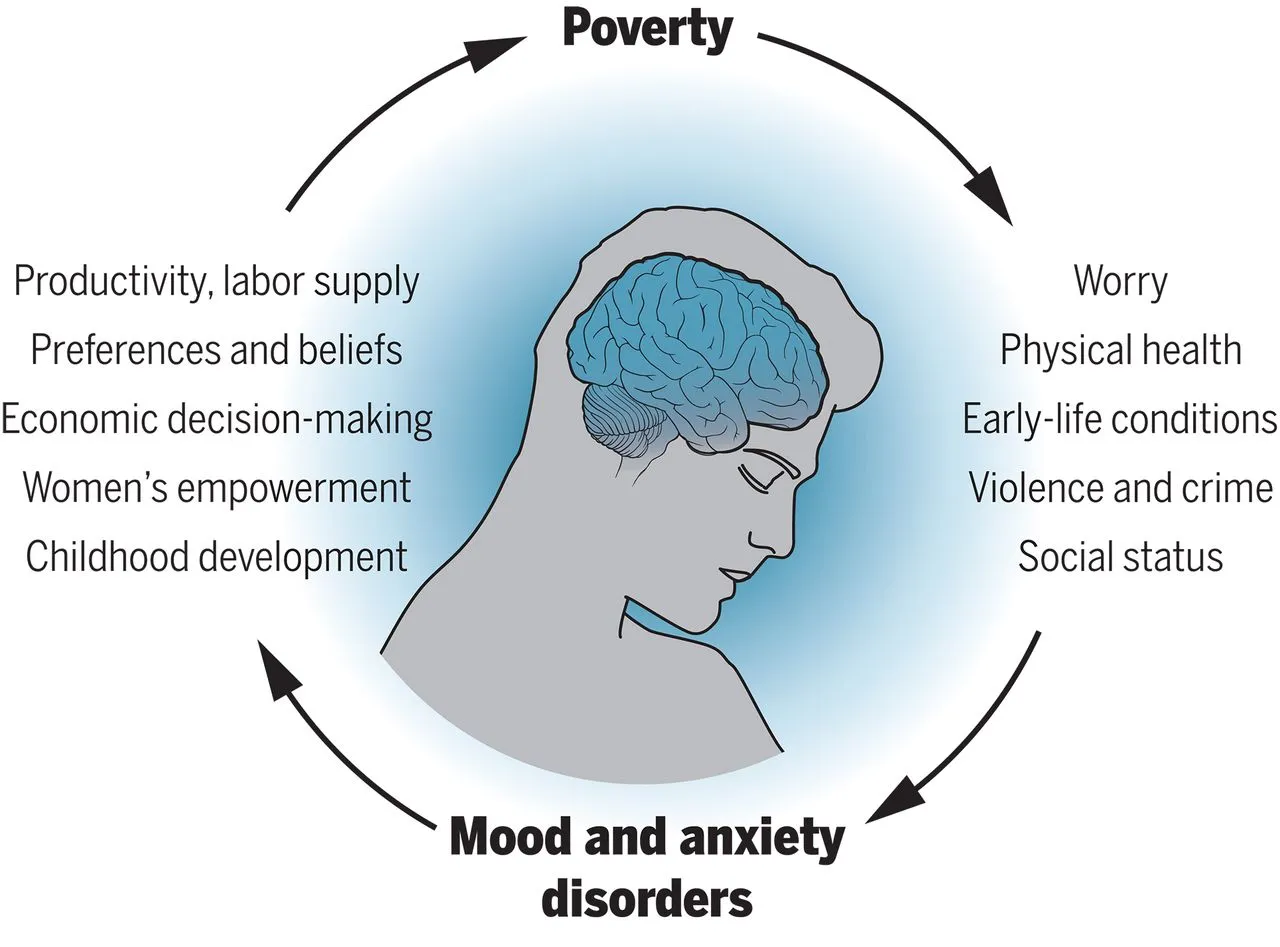

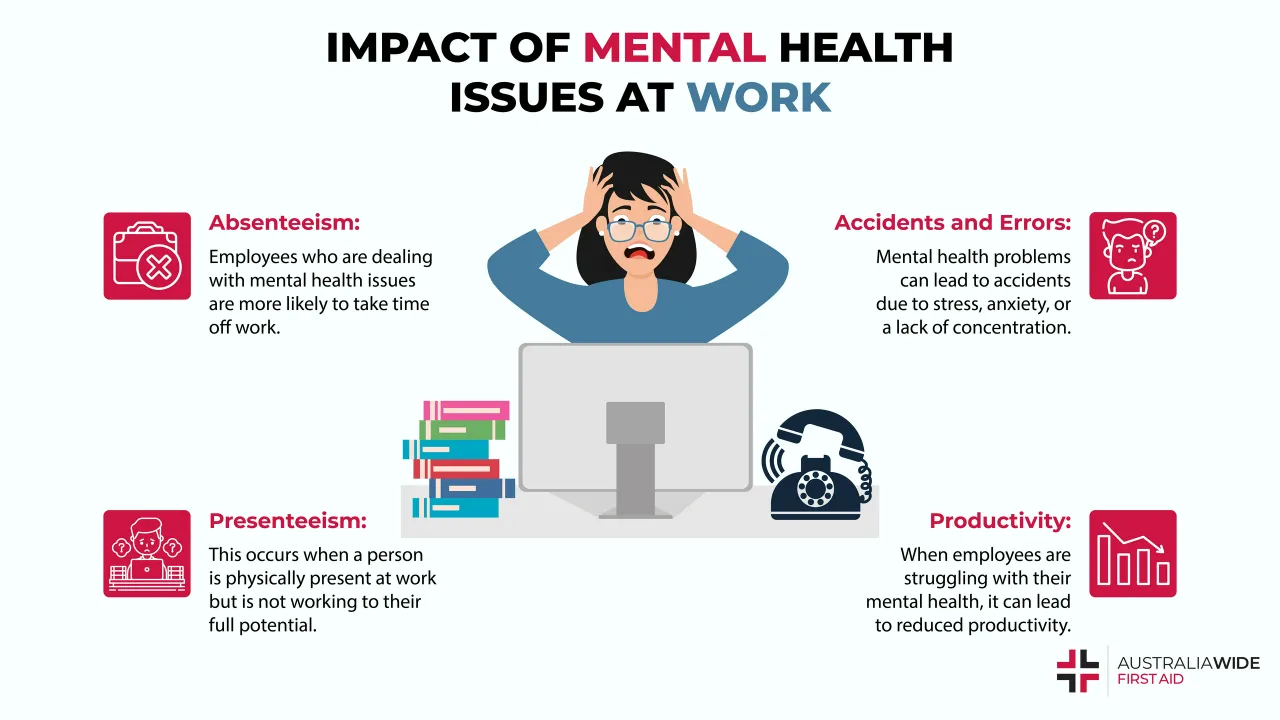
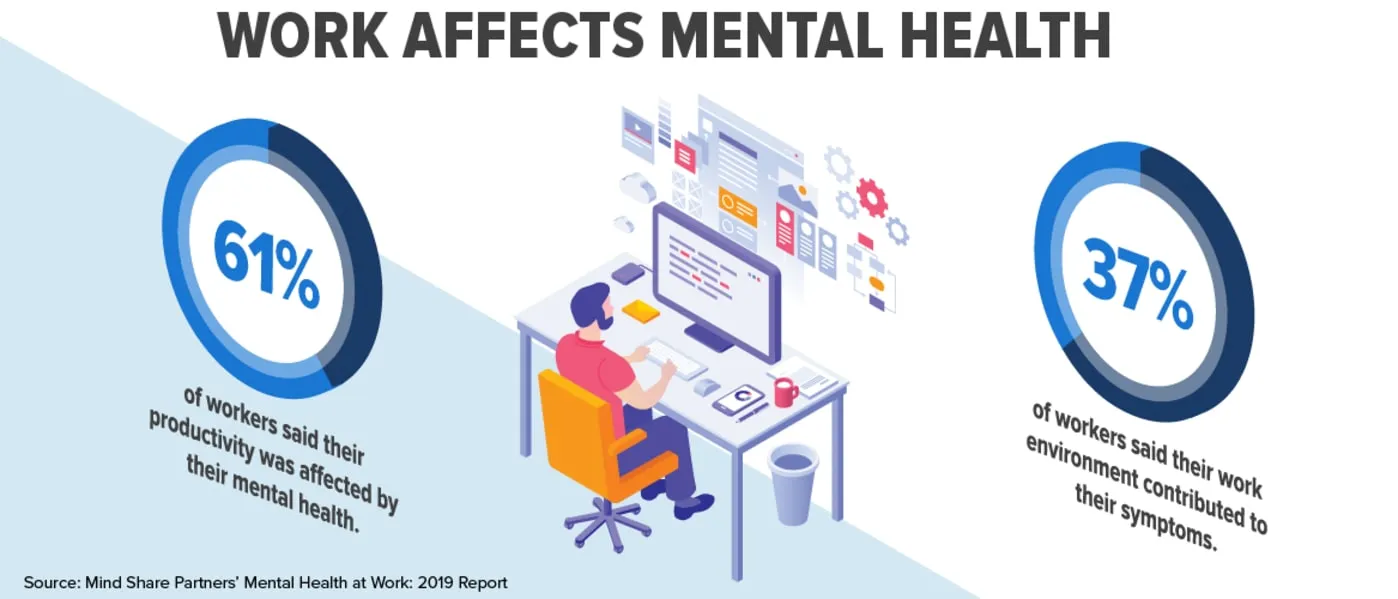
The question How does poor mental health affect productivity? highlights a critical link that is often underestimated in the workplace. The impact is far-reaching, affecting not just an individual's output but also their quality of work, engagement, and overall contribution. Ignoring the state of mental health in the workplace comes at a significant cost, both personally and economically.
Here's how poor mental health severely compromises productivity:
-
Impaired Cognitive Function:
-
Focus and Concentration: Conditions like anxiety, depression, and chronic stress create a "mental fog," making it incredibly difficult to focus on tasks, absorb new information, or sustain attention. The mind might be racing with worries or sluggish with despair.
-
Decision-Making: Poor mental health often impairs judgment and decision-making abilities. Individuals may feel overwhelmed by choices or struggle to process information effectively, leading to indecision or poor choices.
-
Memory: Stress and depression can negatively impact working memory and the ability to recall information, making tasks that require remembering details much harder.
-
Creativity: When the mind is burdened by mental health challenges, creative thinking and innovative problem-solving often suffer. The capacity for divergent thinking is diminished.
-
-
Decreased Motivation and Engagement:
-
Lack of Interest: Depression, in particular, can lead to anhedonia – a loss of interest or pleasure in activities once enjoyed, including work. This saps motivation and makes even routine tasks feel monumental.
-
Procrastination: Low energy, feelings of hopelessness, or overwhelming anxiety can lead to significant procrastination, delaying tasks and missing deadlines.
-
Absenteeism and Presenteeism:
-
Absenteeism: Increased sick days or time off due due to mental health struggles.
-
Presenteeism: Being physically at work but mentally disengaged, unable to perform effectively, or making numerous errors. This is often more costly than absenteeism, as the person is still on the payroll but not contributing.
-
-
-
Increased Errors and Reduced Quality of Work:
-
Impaired focus, decision-making, and memory directly translate to a higher likelihood of mistakes.
-
Work quality suffers as individuals may rush tasks, overlook details, or lack the energy for thoroughness.
-
-
Impaired Interpersonal Relationships and Collaboration:
-
Mental health challenges can lead to irritability, social withdrawal, difficulty communicating effectively, and mistrust.
-
This negatively impacts teamwork, collaboration, and the overall work environment, making it harder to work effectively with colleagues.
-
-
Reduced Resilience and Increased Susceptibility to Stress:
-
Individuals with poor mental health are less able to cope with everyday stressors, leading to a vicious cycle where even minor setbacks feel overwhelming and further erode their capacity to be productive.
-
They are more prone to burnout and productivity crises when faced with demands.
-
-
Physical Symptoms:
-
Mental health issues often manifest physically, with symptoms like chronic fatigue, sleep disturbances, headaches, or digestive problems. These physical ailments further reduce energy and concentration.
-
People Also Ask: How does poor mental health affect productivity?* Poor mental health severely affects productivity by impairing critical cognitive functions such as focus, concentration, decision-making, and memory, leading to a "mental fog" and reduced creativity. It significantly decreases motivation and engagement, often resulting in increased absenteeism and costly presenteeism (being physically present but mentally disengaged). This also leads to a higher rate of errors, reduced work quality, impaired interpersonal relationships, and a lower resilience to everyday stressors, ultimately costing organizations significantly and exacerbating the potential for burnout and productivity decline within the context of mental health in the workplace.
Recognizing these impacts underscores why investing in mental health in the workplace and promoting emotional well-being and work is not just a moral imperative but a strategic business decision.
4. What is more important—mental health or productivity?

The question What is more important—mental health or productivity? forces a false dichotomy that is both unhelpful and ultimately unsustainable. The answer is unequivocally: Mental health is more important because it is the prerequisite for sustainable, high-quality productivity and overall well-being.
Here's why prioritizing mental health isn't just "nice to have" but fundamental:
-
The Foundation, Not the Outcome:
-
Think of it this way: You can't build a sturdy, efficient building on a crumbling foundation. Your mental health is that foundation.
-
When your mental health is compromised, your ability to think clearly, focus, problem-solve, innovate, and engage effectively is severely diminished. You might try to be productive, but the output will likely be lower quality, take longer, and be unsustainable. This directly addresses how does poor mental health affect productivity?
-
Without mental well-being, productivity becomes a forced, short-term struggle, not a joyful or consistent output.
-
-
Long-Term Sustainability vs. Short-Term Gains:
-
Pushing for productivity at the expense of mental health might yield some immediate results, but it's a short-sighted strategy that leads directly to burnout and productivity collapse. You can only run on fumes for so long.
-
Prioritizing mental health ensures that you have the cognitive, emotional, and physical reserves to be productive not just today or tomorrow, but for months and years to come. It's an investment in your long-term capacity. This is the essence of productivity without burnout.
-
-
Beyond Work: Your Whole Life:
-
Productivity is largely associated with work or goal achievement. Mental health, however, impacts every single aspect of your life: your relationships, your physical health, your ability to enjoy hobbies, your capacity for joy, your resilience in facing life's challenges.
-
What's the point of achieving external success if you are too exhausted, anxious, or depressed to enjoy it or maintain meaningful connections? This ties into the broader concept of work-life balance.
-
-
Human Dignity and Well-being:
-
Fundamentally, human beings are not just production machines. We have inherent worth beyond our output. Our well-being, happiness, and ability to live fulfilling lives are paramount.
-
Treating oneself or others as merely a means to an end (productivity targets) is dehumanizing and leads to widespread suffering.
-
-
The Hidden Costs of Neglect:
-
Neglecting mental health doesn't just impact productivity; it has severe personal consequences (chronic illness, strained relationships, reduced quality of life) and societal costs (healthcare burden, lost innovation, social unrest).
-
People Also Ask: What is more important—mental health or productivity?* Mental health is unequivocally more important than productivity, as it serves as the essential foundation for sustainable and high-quality output. Sacrificing emotional well-being and work for short-term gains leads directly to burnout and productivity collapse, as poor mental health severely impairs cognitive functions, motivation, and overall performance. Beyond work, mental health profoundly impacts every aspect of life, including relationships and personal fulfillment. Prioritizing mental well-being is an investment in long-term capacity, human dignity, and ultimately, genuine productivity without burnout.
Therefore, the mindset shift needed is not about choosing, but about understanding that mental health is the enabler of true, lasting productivity. Focusing on healthy productivity habits that nurture both is the only path forward.
5. How do I maintain work performance without sacrificing well-being?

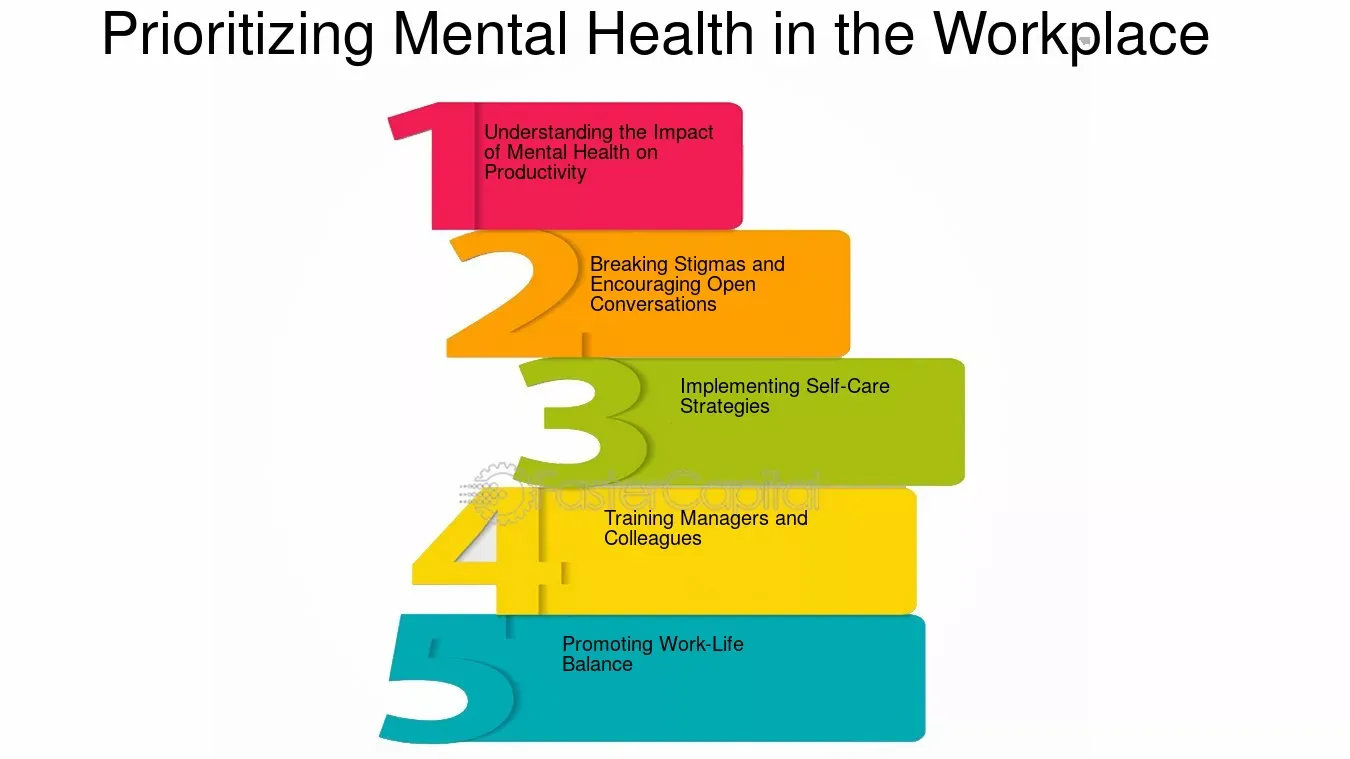
The question How do I maintain work performance without sacrificing well-being? is at the heart of finding true work-life balance and achieving productivity without burnout. It requires a proactive, strategic approach that integrates self-care and smart work habits, rather than relying on endless effort. This is about cultivating healthy productivity habits.
Here's how to achieve that crucial balance:
-
Set Clear Boundaries (and Stick to Them!):
-
Time Boundaries: Define clear start and end times for your workday. Resist the urge to check emails or work-related messages outside these hours. Use "do not disturb" features.
-
Physical Boundaries: If possible, create a distinct workspace. When you leave that space, you "leave" work. If working from home, have a clear end-of-day ritual to signal the transition.
-
Digital Boundaries: Turn off notifications when you need to focus, and avoid work-related apps on your personal phone during off-hours.
-
Why it works: Boundaries protect your personal time and prevent work from spilling into your recovery hours, which are essential for emotional well-being and work.
-
-
Prioritize Deep Work and Eliminate Distractions:
-
Focus on Impact: Instead of trying to do everything, identify the 2-3 most impactful tasks each day and focus your peak energy on them. This is true productivity.
-
Time Blocking: Dedicate specific blocks of time to deep, focused work, free from interruptions.
-
Minimize Interruptions: Close unnecessary tabs, silence notifications, and communicate your focus periods to colleagues if possible.
-
Batch Tasks: Group similar small tasks (emails, calls) together to minimize context switching.
-
-
Integrate Regular Breaks and Recovery:
-
Micro-Breaks: Take short breaks (5-10 minutes) every hour or so. Stand up, stretch, walk around, look out a window.
-
Lunch Breaks: Take a proper lunch break away from your desk. Eat mindfully.
-
Longer Breaks/Vacations: Schedule regular longer breaks and use your vacation time. These are crucial for preventing burnout and productivity decline.
-
Why it works: Breaks aren't unproductive; they refresh your cognitive resources and prevent mental fatigue, improving overall stress and performance.
-
-
Prioritize Sleep:
-
Non-Negotiable: Adequate sleep (7-9 hours for most adults) is foundational for cognitive function, emotional regulation, and physical health. Skimping on sleep severely impacts productivity and mental health.
-
Sleep Hygiene: Establish a consistent sleep schedule, create a relaxing bedtime routine, and ensure your bedroom is conducive to sleep.
-
-
Move Your Body Regularly:
-
Physical and Mental Benefits: Regular physical activity (even moderate walking) is a powerful antidote to stress, boosts mood, and improves cognitive function.
-
Integrate Movement: Find ways to incorporate movement into your day, whether it's a morning run, a midday walk, or an evening gym session. This contributes to mental wellness tips for professionals.
-
-
Practice Self-Compassion and Let Go of Perfectionism:
-
Be Kind to Yourself: Recognize that you won't be "on" 100% of the time, and that's okay. Some days will be more productive than others.
-
Good Enough: Striving for "good enough" rather than "perfect" can reduce immense pressure and free up mental energy.
-
Learn to Delegate: If possible, delegate tasks that don't require your unique skills or energy.
-
-
Cultivate a Strong Support System:
-
Connect with colleagues, friends, and family. Having people to talk to, share challenges with, and de-stress with is vital for mental health in the workplace.
-
People Also Ask: How do I maintain work performance without sacrificing well-being?* To maintain work performance without sacrificing well-being, prioritize healthy productivity habits and robust work-life balance. This involves setting strict boundaries for work hours and digital access, focusing on deep work by prioritizing impactful tasks and eliminating distractions, and integrating regular breaks and sufficient sleep for recovery. Additionally, consistent physical activity, practicing self-compassion to combat perfectionism, and cultivating a strong support system are crucial. These strategies aim for productivity without burnout, ensuring that emotional well-being and work coexist for sustained performance and overall mental wellness tips for professionals.
By intentionally weaving these practices into your daily and weekly routines, you can cultivate a highly effective and sustainable approach to work that genuinely supports your overall well-being.
6. Is hustle culture bad for mental health?

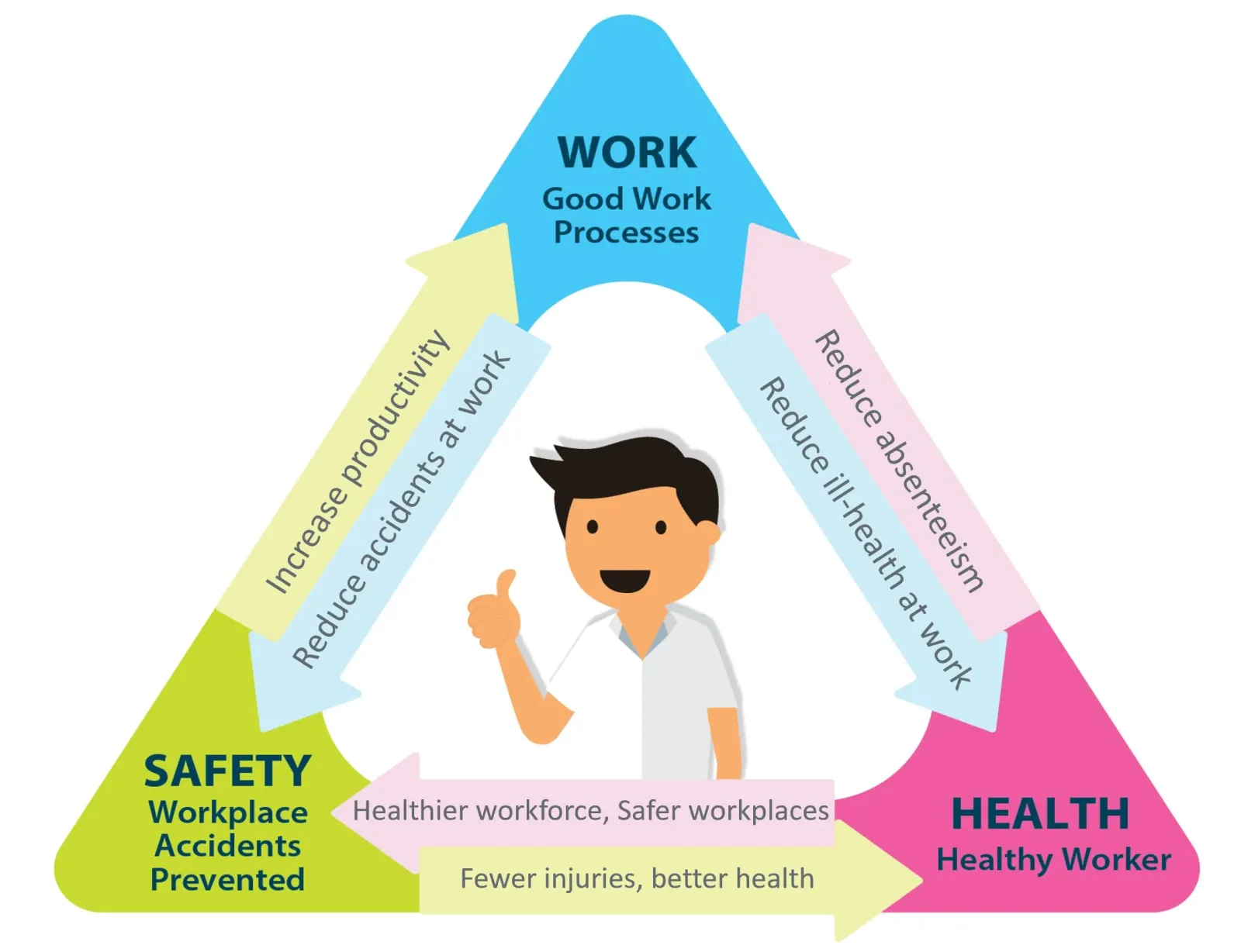
The question Is hustle culture bad for mental health? is increasingly being asked, and the overwhelming consensus from mental health professionals and researchers is a resounding YES. While it promises success and achievement, the reality of perpetual hustle culture is a recipe for burnout and productivity decline, along with significant detriment to overall well-being.
Here’s why hustle culture is detrimental to mental health:
-
Promotes Chronic Stress and Exhaustion:
-
The "Always On" Mentality: Hustle culture glorifies working long hours, minimal sleep, constant availability, and blurring the lines between work and personal life. This creates a state of chronic stress for the body and mind.
-
Lack of Recovery: It actively discourages rest, breaks, and recovery time, viewing them as unproductive or a sign of weakness. The human nervous system cannot sustain a perpetual "fight or flight" state.
-
-
Increased Risk of Burnout:
-
Burnout is a state of physical, emotional, and mental exhaustion coupled with feelings of cynicism and reduced accomplishment. Hustle culture's demands (excessive workload, lack of control, insufficient reward, breakdown of community, unfairness, conflicting values) are directly aligned with the key drivers of burnout.
-
This leads to a significant drop in actual productivity and performance, as well as severe personal distress.
-
-
Erosion of Work-Life Balance:
-
Hustle culture actively dismisses the concept of work-life balance, seeing personal time and boundaries as impediments to success. This leads to neglecting relationships, hobbies, self-care, and basic needs.
-
The blurring of lines makes it impossible to psychologically detach from work, which is crucial for mental recovery.
-
-
Fuels Anxiety and Depression:
-
The constant pressure to perform, fear of falling behind, and perceived inadequacy can trigger or exacerbate anxiety disorders.
-
The chronic exhaustion, lack of pleasure, and feelings of hopelessness associated with burnout can easily morph into clinical depression. This directly impacts mental health in the workplace.
-
-
Fosters Perfectionism and Self-Worth Tied to Output:
-
Hustle culture often creates an environment where self-worth becomes entirely dependent on output and achievement. This leads to immense internal pressure, fear of failure, and a struggle with self-compassion.
-
When productivity inevitably dips (as it will for anyone in this environment), it can lead to severe self-criticism and feelings of worthlessness.
-
-
Neglect of Physical Health:
-
Prioritizing work above all else often means neglecting healthy eating, regular exercise, and sufficient sleep – foundational elements for both physical and mental well-being. This creates a vicious cycle.
-
-
Suppression of Emotions:
-
Hustle culture often leaves no room for processing emotions like stress, frustration, or sadness, encouraging a "power through it" mentality. This emotional suppression can lead to greater distress over time.
-
People Also Ask: Is hustle culture bad for mental health?* Yes, hustle culture is demonstrably bad for mental health, as it directly leads to burnout and productivity decline. It fosters chronic stress and exhaustion by promoting an "always on" mentality and discouraging vital rest. This pervasive culture erodes work-life balance, fuels anxiety and depression due to relentless pressure and fear of inadequacy, and dangerously ties self-worth to constant output. Ultimately, it results in neglected physical health, suppressed emotions, and a severe detriment to overall emotional well-being and work, making sustainable productivity without burnout impossible within its framework.
Moving away from the tenets of hustle culture and embracing healthy productivity habits that prioritize mental health is essential for long-term success and well-being.
7. How can I increase productivity and still prioritize mental health?

The question How can I increase productivity and still prioritize mental health? is the ultimate goal for sustainable, high-quality output without sacrificing well-being. It's about working smarter, not just harder, and integrating well-being into your workflow. This is the essence of achieving productivity without burnout.
Here’s a strategic approach to boost your output while safeguarding your mental well-being:
-
Define "Productivity" on Your Own Terms:
-
Quality over Quantity: Stop equating productivity solely with hours worked or tasks completed. Focus on impact, quality, and effectiveness. Producing high-quality work in 6 focused hours is more productive than mediocre work in 12 rushed hours.
-
Sustainable Pace: Recognize your personal optimal pace. You can't sustain peak performance indefinitely. This helps counter hustle culture.
-
-
Master Time Management & Energy Management:
-
Time Blocking: Schedule specific blocks for deep work, shallow work, and, crucially, breaks and personal time.
-
Identify Peak Energy Times: Do your most demanding cognitive tasks when you have the most mental energy (e.g., mornings for many). Relegate less demanding tasks to lower-energy periods.
-
The Pomodoro Technique: Work for 25 minutes, then take a 5-minute break. After four cycles, take a longer 15-30 minute break. This helps maintain focus and prevents mental fatigue, improving stress and performance.
-
-
Implement Robust Boundaries (Non-Negotiable):
-
Strict Work Hours: Define a clear start and end to your workday. When the workday ends, work stops.
-
Digital Detox: Turn off work notifications after hours. Don't check emails or work apps.
-
Dedicated Workspace: If possible, have a physical separation between your work and personal life, especially if working from home.
-
Say "No": Learn to politely decline additional tasks or commitments that would push you past your capacity.
-
-
Prioritize Rest and Recovery:
-
Sleep is Sacred: Aim for 7-9 hours of quality sleep nightly. It's the ultimate productivity hack and crucial for mental health.
-
Regular Breaks: Integrate micro-breaks, proper lunch breaks, and stepping away from your screen.
-
Vacation Time: Use your vacation days for genuine rest and rejuvenation, not "workcations." These breaks are vital for emotional well-being and work.
-
-
Mindful Movement & Physical Activity:
-
Daily Movement: Even short walks can clear your head, reduce stress, and boost creativity.
-
Regular Exercise: Schedule consistent physical activity. It's a powerful antidepressant and anxiolytic.
-
-
Practice Delegation and Automation:
-
Delegate: If you have a team or resources, delegate tasks that can be done by others. Your time is valuable.
-
Automate: Use tools to automate repetitive or mundane tasks, freeing up your mental energy for higher-value work.
-
-
Cultivate Self-Compassion and Flexibility:
-
Embrace Imperfection: Release the need for perfectionism. "Good enough" is often truly good enough.
-
Flexibility: Some days will be less productive than others. Don't beat yourself up. Listen to your body and mind, and adjust your plans as needed. This is a key mental wellness tip for professionals.
-
-
Seek Support When Needed:
-
Don't hesitate to talk to a trusted colleague, manager, or mental health professional if you're struggling. Early intervention is key for managing mental health at work.
-
People Also Ask: How can I increase productivity and still prioritize mental health?* To increase productivity and still prioritize mental health, redefine productivity as quality and sustainability, not just hours. Master time and energy management by using time blocking and identifying peak energy periods. Crucially, implement robust boundaries for work hours and digital access. Prioritize rest through adequate sleep, regular breaks, and vacations. Incorporate mindful movement daily, practice delegation and automation, and cultivate self-compassion to combat perfectionism. Finally, seek support when needed. These healthy productivity habits enable productivity without burnout and ensure emotional well-being and work can thrive together.
By adopting these healthy productivity habits, you can create a sustainable approach to work that not only enhances your performance but also profoundly supports your mental health and work balance.
8. What are signs that productivity is hurting my mental health?


The question What are signs that productivity is hurting my mental health? is crucial for self-awareness and preventing a downward spiral into burnout or more severe mental health issues. Often, we push ourselves under the guise of "being productive" until the warning signs become undeniable. Recognizing these indicators early is key to taking corrective action and prioritizing emotional well-being and work.
Here are common signs that your pursuit of productivity is negatively impacting your mental health:
-
Chronic Fatigue and Exhaustion:
-
Beyond Tiredness: This isn't just "I need a good night's sleep." It's a deep, pervasive fatigue that isn't relieved by rest, often accompanied by a feeling of being "drained" or "wired and tired."
-
Physical Symptoms: Headaches, muscle aches, frequent colds, digestive issues (stomach upset, IBS flare-ups) that become chronic.
-
-
Increased Irritability and Short Temper:
-
You find yourself easily annoyed or frustrated by minor inconveniences, colleagues, family, or friends. You might snap or lose your patience more frequently than usual.
-
-
Sleep Disturbances:
-
Insomnia: Difficulty falling asleep (mind racing), staying asleep, or waking up early and unable to get back to sleep.
-
Non-Restorative Sleep: Even if you get hours of sleep, you wake up feeling unrefreshed.
-
This is a major indicator that stress and performance are out of balance.
-
-
Loss of Interest or Pleasure (Anhedonia):
-
You no longer enjoy hobbies, social activities, or things that used to bring you joy. Everything feels bland or like a chore, including your work. This is a classic sign of depression and burnout.
-
-
Difficulty Concentrating and Impaired Cognitive Function:
-
Brain Fog: Struggling to focus, remember things, make decisions, or think clearly. You might reread emails multiple times or make uncharacteristic mistakes.
-
Procrastination: You feel overwhelmed and paralyzed, leading to avoidance of tasks, even simple ones. This is a direct impact on productivity.
-
-
Increased Anxiety or Panic:
-
A pervasive sense of dread, worry, or nervousness that you can't shake. You might experience physical symptoms of anxiety (racing heart, shortness of breath) even when not actively stressed.
-
Increased frequency of panic attacks or heightened general anxiety.
-
-
Feelings of Hopelessness, Cynicism, or Detachment:
-
A pervasive negative outlook, feeling like nothing matters, or that your efforts are pointless.
-
Feeling detached from your work, colleagues, or even your own emotions. This is a hallmark of burnout and productivity decline.
-
-
Social Withdrawal:
-
Pulling away from friends, family, and social activities, preferring isolation over connection because the thought of socializing feels too draining.
-
-
Increased Reliance on Unhealthy Coping Mechanisms:
-
Turning to excessive alcohol, drugs, unhealthy eating, excessive screen time, or compulsive behaviors to cope with stress or to "wind down."
-
-
Physical Health Deterioration (Beyond Fatigue):
-
Frequent illness (weakened immune system), unexplained aches and pains, changes in appetite or weight, skin issues.
-
People Also Ask: What are signs that productivity is hurting my mental health?* Key signs that productivity is hurting my mental health include chronic fatigue and exhaustion unrelieved by rest, increased irritability, persistent sleep disturbances, and a significant loss of interest or pleasure in activities (anhedonia). You might also experience brain fog, difficulty concentrating, increased anxiety or panic, feelings of hopelessness or cynicism, and social withdrawal. Physical symptoms like frequent illness or unexplained aches, along with increased reliance on unhealthy coping mechanisms, are also strong indicators that your pursuit of productivity is leading to burnout and productivity decline and negatively impacting your emotional well-being and work, making a shift towards healthy productivity habits essential.
If you recognize several of these signs, it's a clear signal to pause, re-evaluate your approach to productivity vs. mental health, and seek support. Your well-being is not a luxury; it's the engine of your capacity.
9. How do I talk to my employer about mental health?
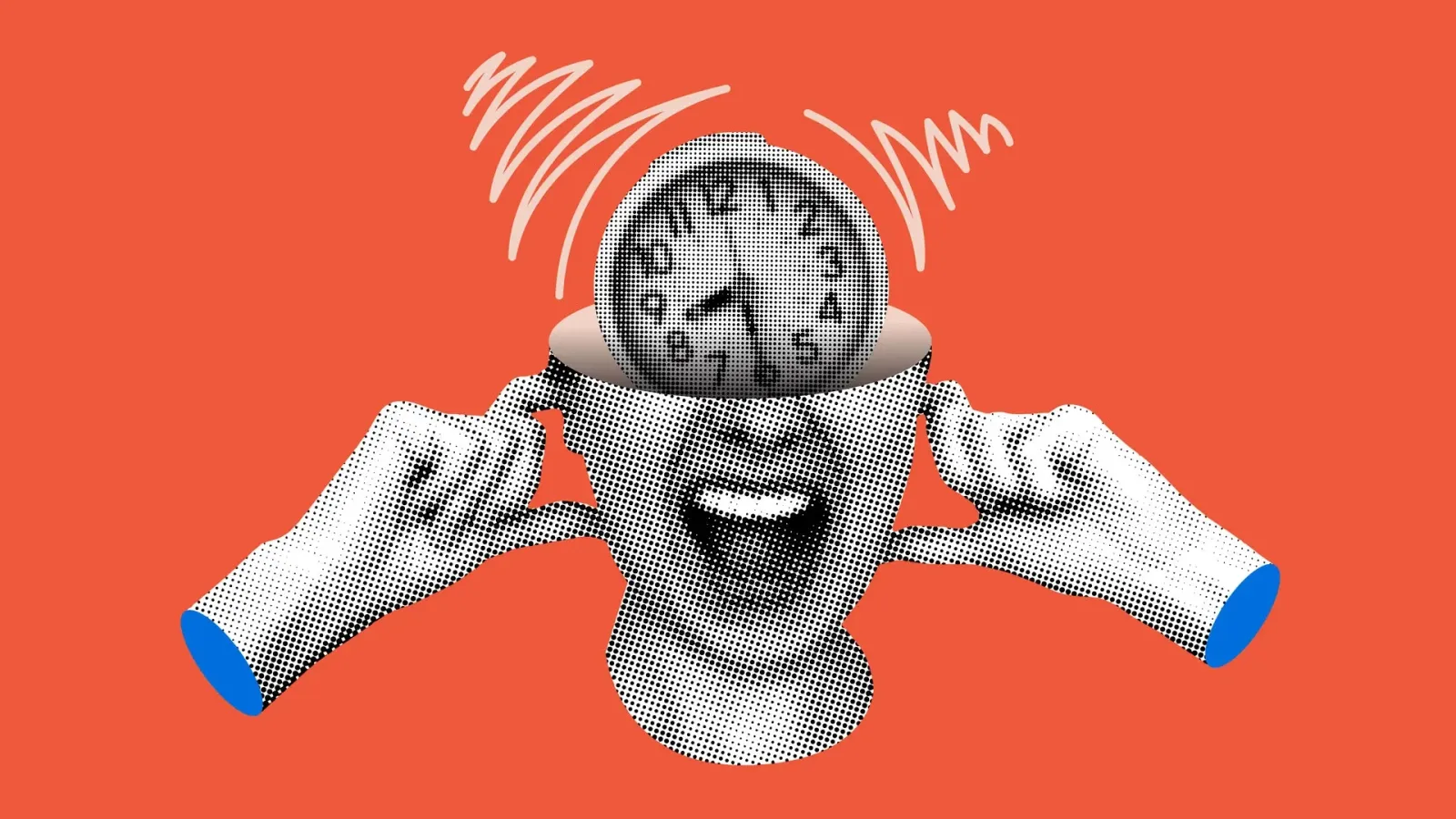

The question How do I talk to my employer about mental health? is incredibly important, yet often daunting. There's still a stigma around mental health in many workplaces, but advocating for yourself is a crucial step in managing mental health at work and protecting your well-being. This conversation can be challenging, but it's essential for your emotional well-being and work sustainability.
Here's a step-by-step guide to approaching this conversation effectively:
-
Assess Your Comfort Level and What You Want to Achieve:
-
What's Your Goal? Do you need accommodations (e.g., flexible hours, reduced workload)? Do you just want to inform them? Do you need time off? Do you want to discuss long-term support?
-
How Much to Share? You are not obligated to share intimate details of your diagnosis or treatment. Focus on how your mental health is affecting your work performance and what support you need to perform optimally.
-
Company Culture: Consider your company's culture. Is it generally supportive of mental health? This might influence your approach.
-
-
Research Company Policies and Resources:
-
HR Handbook: Check your employee handbook or HR portal for policies on mental health, sick leave, FMLA (Family and Medical Leave Act, if applicable), Employee Assistance Programs (EAPs), and disability accommodations.
-
EAP: If your company has an EAP, use it! These are confidential services that can provide short-term counseling, referrals, and advice on navigating workplace issues.
-
-
Choose the Right Person and Setting:
-
Direct Manager: For immediate performance issues or short-term adjustments, your direct manager is often the first point of contact.
-
HR Department: For more sensitive issues, long-term accommodations, or if you don't feel comfortable with your manager, HR is the appropriate channel. They are trained in confidentiality and compliance.
-
Schedule a Private Meeting: Don't bring it up in passing or in a public setting. Request a dedicated, private meeting.
-
-
Prepare What You Want to Say (Script if Needed):
-
Focus on Impact, Not Diagnosis: Instead of saying "I have anxiety," say "I've been experiencing some challenges with focus/concentration/energy recently, which is impacting my ability to meet deadlines/perform at my usual level."
-
Be Specific About Needs: "To manage this, I would benefit from [e.g., flexible start times, a quiet workspace, a temporary reduced workload, taking Fridays off for therapy]."
-
Highlight Commitment to Work: Reiterate your dedication to your role and your desire to continue contributing effectively. "I am committed to my work and want to ensure I can continue to perform at my best."
-
Have Solutions Ready: Show you've thought about potential solutions, rather than just presenting a problem.
-
Example Opening: "I'd like to schedule some time to discuss my well-being and how it's affecting my performance. I've been struggling a bit lately with X and Y, and I'd like to explore some adjustments that could help me perform optimally."
-
-
Be Clear, Calm, and Professional:
-
Maintain a professional tone. Avoid emotional outbursts.
-
Be clear about what you are asking for.
-
Document the conversation (date, time, attendees, what was discussed, agreed-upon next steps).
-
-
Follow Up and Keep Lines of Communication Open:
-
If accommodations are agreed upon, check in regularly to discuss their effectiveness.
-
If nothing changes or things worsen, be prepared to escalate through HR or seek external legal advice if necessary.
-
-
Know Your Rights:
-
Laws like the Americans with Disabilities Act (ADA) in the U.S. require employers to provide reasonable accommodations for employees with mental health conditions. While specifics vary by country, many places have similar protections.
-
People Also Ask: How do I talk to my employer about mental health?* To talk to your employer about mental health in the workplace, first assess your comfort level and what you hope to achieve (e.g., accommodations, time off). Research company policies and utilize any Employee Assistance Programs (EAPs). Schedule a private meeting with your direct manager or HR. Prepare by focusing on how your mental health is impacting your work performance, clearly stating what support or adjustments you need, and reiterating your commitment to your role. Be calm, professional, and follow up, documenting the conversation. This proactive approach supports managing mental health at work and fosters emotional well-being and work while seeking productivity without burnout.
Remember, taking this step is a sign of strength and self-advocacy. It's about ensuring your productivity vs. mental health balance is sustainable.
10. What are healthy habits to stay productive and mentally well?

The question What are healthy habits to stay productive and mentally well? is the ultimate synthesis of our discussion on productivity vs. mental health. It's about building a lifestyle that supports both high-quality output and robust well-being, moving away from hustle culture and towards sustainable success. These are the foundational healthy productivity habits.
Here are essential habits to cultivate:
-
Prioritize and Protect Sleep:
-
Non-Negotiable Foundation: Aim for 7-9 hours of quality sleep every night. Consistency is key.
-
Sleep Hygiene: Create a relaxing bedtime routine, ensure your bedroom is dark, cool, and quiet, and limit screens before bed.
-
Why it helps: Sleep is the ultimate recovery tool for your brain and body, directly impacting cognitive function, mood regulation, and stress resilience. It's the most effective mental wellness tip for professionals.
-
-
Set Clear Boundaries Between Work and Life:
-
Define Working Hours: Establish strict start and end times for your workday and stick to them.
-
Digital Disconnect: Turn off work notifications and avoid checking work emails or messages outside of work hours.
-
Physical Transition: Create a ritual to transition from work to personal life (e.g., taking a walk, changing clothes).
-
Why it helps: This prevents work from spilling into your recovery time, crucial for work-life balance and preventing burnout and productivity decline.
-
-
Integrate Regular Movement and Physical Activity:
-
Daily Movement: Even short walks, stretching, or standing breaks throughout the day can make a difference.
-
Consistent Exercise: Schedule regular moderate-to-vigorous physical activity (e.g., jogging, swimming, strength training).
-
Why it helps: Exercise is a powerful stress reducer, mood booster, and improves cognitive function. It directly impacts stress and performance.
-
-
Practice Intentional Breaks and Recovery:
-
Micro-Breaks: Take 5-10 minute breaks every hour or so during concentrated work.
-
Proper Lunch: Step away from your desk for at least 30 minutes for lunch.
-
Vacations: Use all your vacation time for genuine rest and rejuvenation.
-
Why it helps: Breaks prevent mental fatigue, improve focus, and allow for cognitive recovery, enabling productivity without burnout.
-
-
Mindful Productivity Techniques:
-
Prioritize Deep Work: Identify your most important tasks and dedicate focused, uninterrupted blocks of time to them. Use techniques like time-blocking or the Pomodoro method.
-
Single-Task: Avoid multitasking, as it reduces efficiency and increases cognitive load.
-
Why it helps: This optimizes your energy and ensures you're working effectively, reducing overwhelm.
-
-
Nutritious Eating and Hydration:
-
Fuel Your Brain: Eat a balanced diet rich in whole foods, fruits, vegetables, lean proteins, and healthy fats.
-
Stay Hydrated: Drink plenty of water throughout the day.
-
Why it helps: Proper nutrition provides sustained energy for both physical and mental performance.
-
-
Cultivate Strong Social Connections:
-
Connect Regularly: Nurture relationships with friends, family, and colleagues.
-
Seek Support: Don't isolate yourself when stressed. Talk to trusted individuals.
-
Why it helps: Social support is a powerful buffer against stress and loneliness, crucial for emotional well-being and work.
-
-
Practice Mindfulness and Self-Compassion:
-
Mindfulness: Take short moments to be present (e.g., mindful eating, mindful breathing). This reduces rumination and stress.
-
Self-Compassion: Be kind to yourself when you make mistakes or have less productive days. Recognize your inherent worth beyond your output.
-
Why it helps: These practices build resilience, reduce self-criticism, and improve emotional regulation.
-
-
Develop Healthy Coping Mechanisms:
-
Identify Stressors: Know what triggers your stress and develop healthy ways to respond (e.g., journaling, talking, exercise, hobbies).
-
Avoid Unhealthy Habits: Reduce reliance on alcohol, excessive caffeine, or constant distractions.
-
-
Regularly Check In With Your Mental Health:
-
Self-Assessment: Periodically reflect on your mood, energy levels, sleep quality, and overall sense of well-being.
-
Professional Support: Don't hesitate to seek help from a therapist or counselor if you're struggling. Early intervention is key for managing mental health at work.
-
People Also Ask: What are healthy habits to stay productive and mentally well?* To stay productive and mentally well, cultivate healthy productivity habits rooted in robust self-care. Prioritize and protect 7-9 hours of quality sleep nightly, and set clear work-life balance boundaries for work hours and digital use. Integrate regular physical activity and intentional breaks throughout your day, including using all vacation time. Practice mindful productivity by focusing on deep work and single-tasking. Fuel your body with nutritious food and adequate hydration. Cultivate strong social connections for support, practice mindfulness and self-compassion to manage stress and performance, develop healthy coping mechanisms for stressors, and regularly check in with your mental health, seeking professional help when needed. These strategies ensure productivity without burnout and promote overall emotional well-being and work.
By making these habits non-negotiable parts of your routine, you can build a life where high performance and genuine well-being not only coexist but flourish together.
The Harmony of High Performance and Inner Peace
The journey from viewing productivity vs. mental health as a battle to seeing them as essential partners is perhaps one of the most crucial shifts we can make in our modern lives. The old narrative, steeped in hustle culture, promised endless rewards for relentless effort, but too often delivered burnout and productivity crises, leaving individuals feeling depleted and disconnected.
What we've discovered is a more enlightened path: one where robust mental health isn't a luxury, but the very engine of sustainable, high-quality productivity. When your mind is clear, your emotions are regulated, and your body is rested, you naturally bring a higher level of focus, creativity, and resilience to your work.
You can have both. It's about embracing healthy productivity habits that prioritize rest as much as work, boundaries as much as output, and self-compassion as much as achievement. It's about recognizing the signs that productivity is hurting my mental health and bravely taking action. It's about understanding that emotional well-being and work are not adversaries, but deeply intertwined forces that, when nurtured together, lead to true fulfillment.
So, let's redefine success. Let it be measured not just by what we accomplish, but by how we feel while achieving it. Let's champion productivity without burnout, creating a future where high performance and inner peace coexist beautifully, making both our work and our lives richer, healthier, and more genuinely productive.
Maybe you are interested:

Digital Detox vs Nature Retreat: Which One Truly Recharges Your Mind?
Introvert vs Extrovert Self-Care: Tailoring Wellness to Your Personality Type
More Like This

How to Improve Your Life: A Complete Guide to Personal Growth
by Emily Cooper
Why is sleep important? What do you need to know about sleep?
by Emily Cooper