That surge of energy, the vivid mental images of success – that's motivation kicking in. It's exhilarating, a powerful spark that gets us off the starting line. But then, a few days, weeks, or even months later, that initial fire starts to flicker. The enthusiasm wanes, excuses creep in, and suddenly, that grand plan feels less like an exciting journey and more like a tiresome chore. So, what happens when the motivation fades? What keeps us going when the initial excitement is long gone? This is where the quiet, steady power of discipline steps onto the stage.
We've all been there, riding the waves of inspiration only to crash when the tide goes out. This experience often leads to a fundamental question: when it comes to truly driving lasting change and achieving our biggest goals, what's the real engine? Is it the fiery, unpredictable burst of motivation vs. discipline, the consistent, unwavering grind?
For years, self-help gurus and pop psychology have often overemphasized the role of motivation, making us feel inadequate when our enthusiasm inevitably dips. But the truth is more nuanced, and far more empowering. It's about understanding the difference between motivation and discipline and harnessing both, but ultimately leaning on the one that reliably shows up, even on your motivation for lazy days.
In this deep dive, we're going to explore the intricate dance between these two forces. We'll unpack what drives success motivation or discipline, examine why does motivation fade but discipline lasts, and provide you with actionable strategies on how to build discipline so you can finally achieve those ambitious goals, not just dream about them.
1. What is the difference between motivation and discipline?



To truly understand the core debate of motivation vs. discipline, we first need to clearly define each term. While often used interchangeably, they represent distinct psychological and behavioral forces that drive human action. Understanding this difference between motivation and discipline is the first step toward leveraging both effectively.
Let's break them down:
Motivation:
-
Definition: Motivation is the desire or reason to act. It's the psychological drive that initiates, guides, and maintains goal-oriented behaviors. It's fueled by inspiration, excitement, the promise of reward, or the avoidance of pain.
-
Nature: It's often an emotional or psychological state. It can be intense and fleeting, or it can be a sustained internal pull. It's what gets you started, gets you excited about a new idea, or gives you the initial push.
-
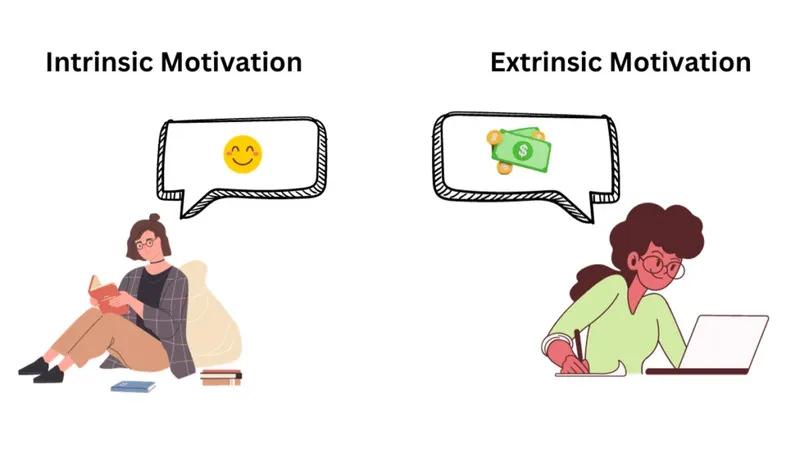
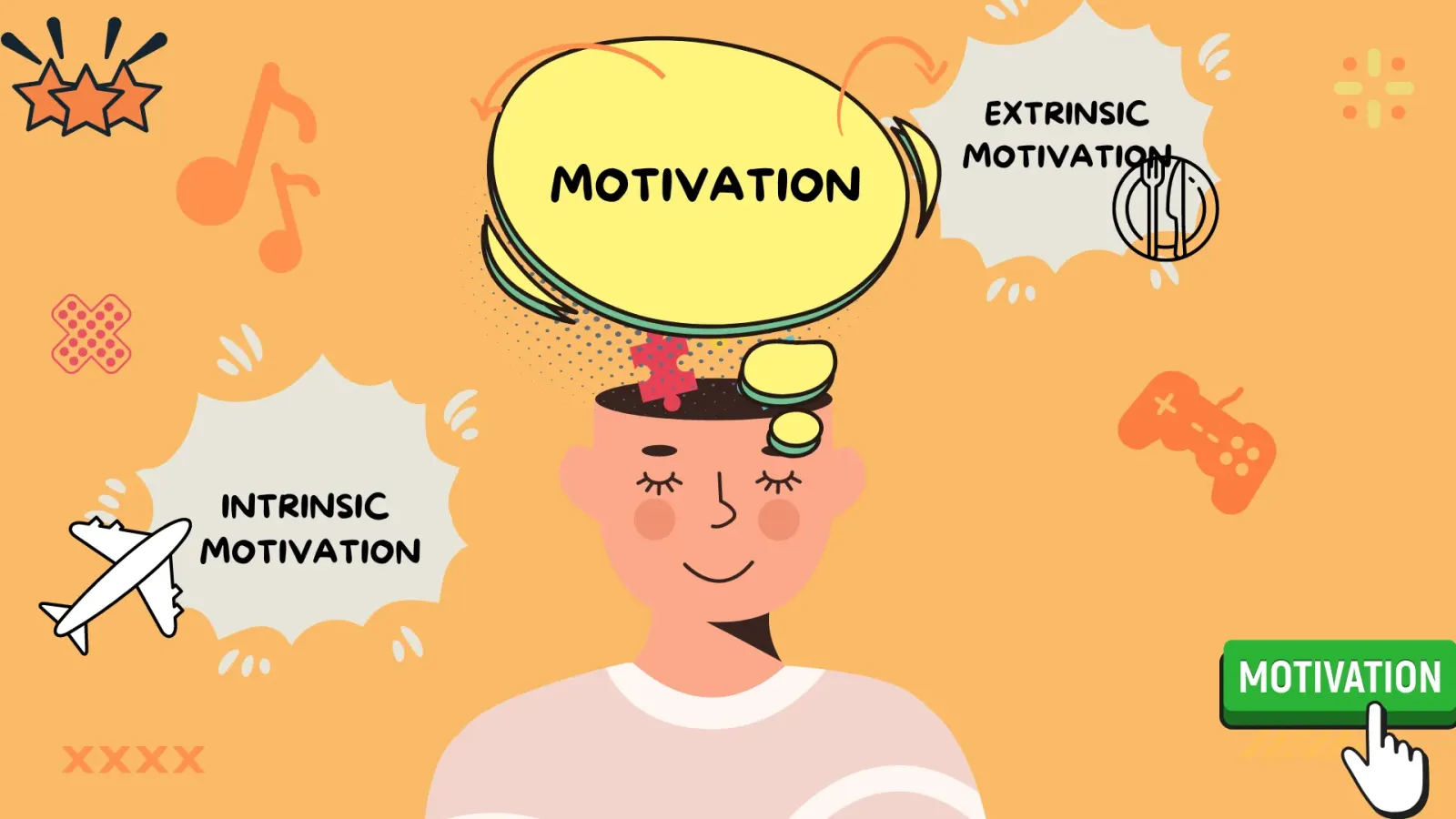
Source: Can be intrinsic vs extrinsic motivation.
-
Intrinsic Motivation: Comes from within – personal enjoyment, satisfaction, curiosity, a sense of purpose (e.g., you work out because you genuinely enjoy the feeling).
-
Extrinsic Motivation: Comes from external rewards or pressures – money, praise, avoiding punishment, social recognition (e.g., you work out to win a competition or impress someone).
-
-
Reliability: Highly variable and often unreliable. It fluctuates based on mood, energy levels, external circumstances, and initial excitement. It's a spark, not a sustained flame. This directly addresses can motivation last?
-
Analogy: Motivation is the strong wind in your sails that gets your boat moving. It's the initial excitement of a new gym membership, the burst of energy to clean your entire house, or the vision board that inspires you to start a business.
Discipline:
-
Definition: Discipline is the ability to do what needs to be done, regardless of how you feel about it. It's about consistent action aligned with your long-term goals, even when the immediate desire or emotional drive is absent. It's the bridge between goals and accomplishment.
-
Nature: It's a learned behavior, a mental muscle, a form of self-control and self-regulation. It's about adherence to a plan or a routine, irrespective of fluctuating feelings. This is a key part of discipline and self-control.
-
Source: Comes from an internal commitment to a larger vision, values, or a chosen path. It's built through repeated action, perseverance, and often, delayed gratification. This speaks to how to build discipline.
-
Reliability: Highly reliable and consistent. Once established, it acts as a steady force. It's what keeps you going when motivation is nowhere to be found. This answers why does motivation fade but discipline lasts?
-
Analogy: Discipline is the rudder that keeps your boat on course, even when the wind dies down or the seas get choppy. It's showing up at the gym even when you're tired, working on your business plan when you'd rather binge-watch TV, or sticking to your diet even when cravings hit.
People Also Ask: What is the difference between motivation and discipline? The fundamental difference between motivation and discipline is that motivation is the desire or reason to act, often an emotional spark fueled by inspiration or reward (intrinsic vs extrinsic motivation), which is highly variable and often unreliable (addressing can motivation last?). In contrast, discipline is the ability to do what needs to be done, regardless of how you feel about it. It's a learned behavior, a form of self-control and consistent action aligned with long-term goals, making it highly reliable even when motivation for lazy days is absent. This explains why does motivation fade but discipline lasts?
In essence, motivation is the why and the initial push, while discipline is the how and the sustained pull towards your objectives.
2. Is discipline better than motivation?


The question Is discipline better than motivation? is a crucial one for anyone striving for long-term success and real change. While both play vital roles, if forced to choose which is more critical for consistent achievement, the answer leans heavily towards discipline.
Here’s why discipline often trumps motivation, especially when considering what drives success motivation or discipline:
-
Reliability and Consistency:
-
Motivation's Volatility: Motivation is inherently fickle. It's a feeling, and feelings fluctuate. You wake up some days feeling inspired, other days completely drained. Relying solely on motivation means your progress will be sporadic and dependent on your mood. This speaks to can motivation last?
-
Discipline's Steadfastness: Discipline, on the other hand, is a commitment to action, irrespective of emotion. It's showing up, doing the work, and staying consistent even when you don't feel like it. This unwavering nature is what truly drives long-term progress. This is the heart of why does motivation fade but discipline lasts?
-
-
The Foundation of Habits:
-
Motivation might initiate a new behavior, but it's discipline that transforms that behavior into a habit. You force yourself to do something repeatedly until it becomes automatic, requiring less willpower over time. This directly addresses how do habits relate to discipline and motivation? and building habits through discipline.
-
Once a habit is formed, it requires significantly less energy and conscious effort, making continued progress much easier.
-
-
Overcoming Obstacles and Plateaus:
-
Every significant journey hits roadblocks, plateaus, and moments of doubt. When motivation dwindles, it's discipline that keeps you pushing through these difficult periods.
-
Discipline enables you to persevere when results aren't immediately visible, or when the initial excitement wears off. This is a core aspect of mental toughness vs motivation.
-
-
Building Self-Efficacy and Self-Trust:
-
Every time you act on your discipline, especially when you'd rather not, you build self-efficacy – the belief in your ability to succeed in specific situations. This reinforces self-trust and strengthens your character.
-
Constantly waiting for motivation can lead to feelings of frustration and self-reproach when you fail to act.
-
-
Handling "Lazy Days" and Adversity:
-
Life throws curveballs. There will be days when you're tired, stressed, or simply not feeling it. This is where discipline shines. It's the commitment to your long-term vision that pushes you through these motivation for lazy days.
-
Motivation is fair-weather; discipline is all-weather.
-
-
The Engine of Real Change:
-
Real, lasting change rarely happens in a sudden burst of inspiration. It's the cumulative effect of small, consistent actions performed over time. Discipline is the engine that delivers these actions day in and day out. This addresses is discipline more important than motivation.
-
People Also Ask: Is discipline better than motivation? Yes, discipline is generally considered better than motivation for driving real, sustained change and determining what drives success motivation or discipline. While motivation provides the initial spark, it's unreliable and fleeting (can motivation last?). Discipline, however, is a consistent commitment to action regardless of feelings, making it dependable even on motivation for lazy days, which is why motivation fades but discipline lasts. Discipline is crucial for building habits through discipline, overcoming obstacles, building self-efficacy, and ensuring consistent progress towards long-term goals, acting as the fundamental force behind true mental toughness vs motivation. This makes discipline more important than motivation for lasting achievement.
This doesn't mean motivation is useless. Motivation is fantastic for getting started, for setting vision, and for providing bursts of energy. But to truly build something meaningful and lasting, discipline is the unglamorous but utterly essential force that keeps you going.
3. Why does motivation fade but discipline lasts?
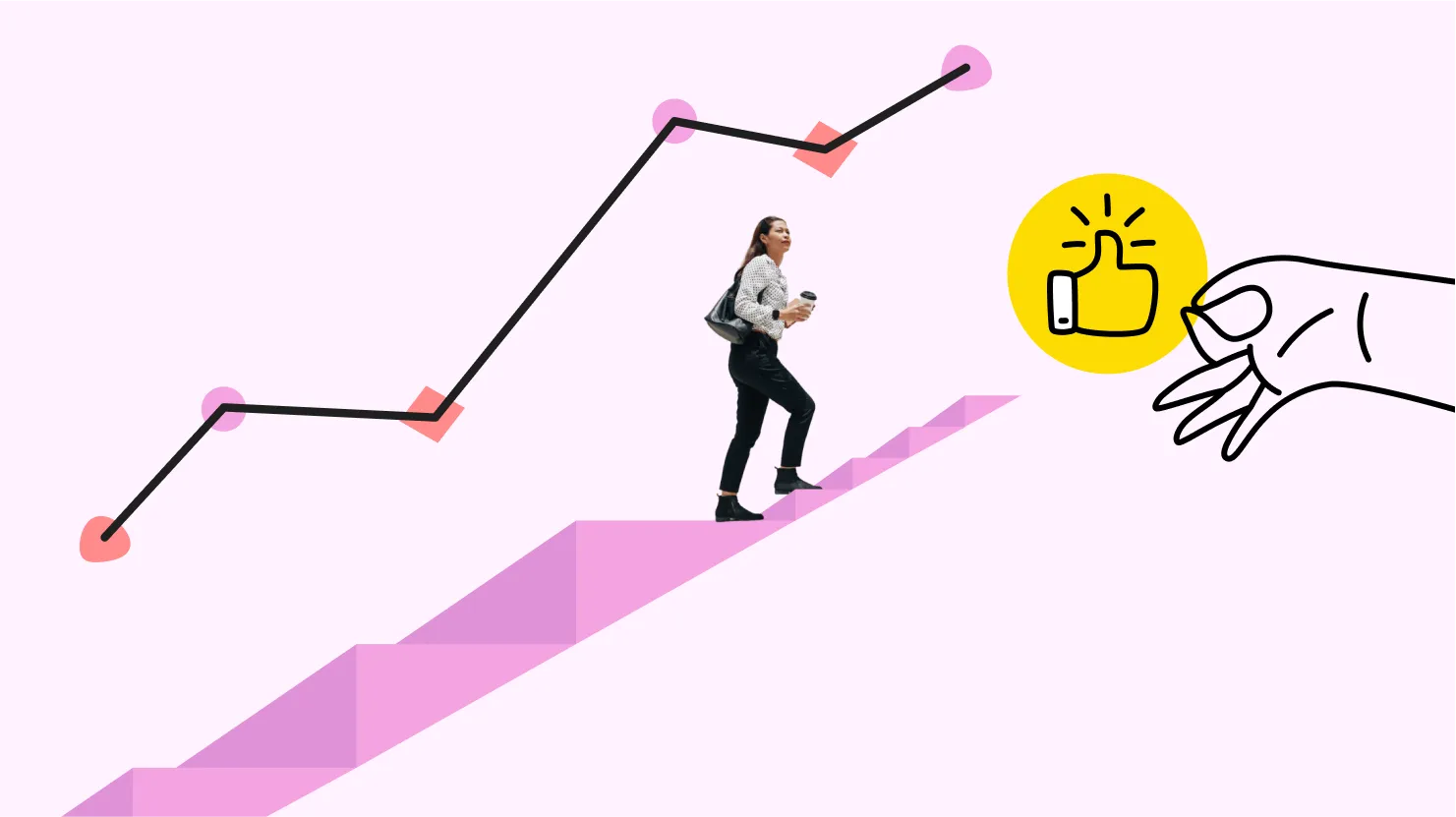

The question Why does motivation fade but discipline lasts? gets to the heart of human psychology and behavior. Understanding this fundamental difference is crucial for anyone looking to make sustainable changes in their life, moving beyond relying on fleeting inspiration. It’s also the key to understanding how to build discipline effectively.
Here’s why motivation is ephemeral and discipline is enduring:
Why Motivation Fades:
-
It's Emotion-Based:
-
Motivation is often a feeling. It's tied to excitement, inspiration, novelty, hope, or the immediate gratification of an idea.
-
Emotions, by their very nature, are transient. They ebb and flow, influenced by everything from sleep quality, stress levels, external events, hormonal changes, and even the weather.
-
Example: You feel incredibly motivated to start a new diet after seeing an inspiring health documentary. This feeling is strong but highly susceptible to a bad day at work, a tempting treat, or simply waking up tired. This touches on can motivation last?
-
-
Novelty Wears Off:
-
New goals, projects, or routines are exciting because they offer novelty. Our brains are wired to seek out new experiences and the dopamine hits associated with them.
-
Once the initial newness wears off and the reality of consistent effort sets in, the dopamine rush diminishes, and with it, much of the initial motivation.
-
-
Unrealistic Expectations:
-
Motivation often comes with a dose of optimism bias – we overestimate how easy or quick something will be, or how consistently we'll feel good about it.
-
When the hard work, setbacks, or slow progress inevitably occur, it clashes with these expectations, leading to disappointment and a drop in motivation.
-
-
External Triggers Diminish:
-
If your motivation is primarily extrinsic (e.g., praise, a deadline, a new year's resolution surge), it can fade when those external triggers lose their potency or are no longer present.
-
Example: You're motivated to work extra hours for a bonus. Once the bonus is secured, or the project ends, that specific motivation disappears.
-
Why Discipline Lasts:
-
It's Action-Based, Not Emotion-Based:
-
Discipline is a commitment to action, a choice to do rather than a choice to feel. It bypasses fluctuating emotions.
-
It relies on systems, routines, and a deep understanding of your long-term goals and values, rather than immediate gratification. This is the essence of discipline and self-control.
-
Example: You've committed to meditating every morning. Some mornings you'll feel peaceful and motivated. Other mornings, you'll feel restless and want to skip it. Discipline is sitting down anyway, because it's part of your routine and commitment to your well-being, irrespective of how you feel.
-
-
It Builds Habits and Autopilot:
-
The repeated actions driven by discipline, especially when it's hard, gradually form habits.
-
Once a behavior becomes a habit (e.g., getting up early, going to the gym, writing daily), it requires less conscious effort, less willpower, and virtually no motivation to execute. It moves from being a struggle to an automatic behavior. This directly links to how do habits relate to discipline and motivation? and building habits through discipline.
-
-
It's Reinforced by Results (Eventually):
-
While motivation might rely on immediate feel-good chemicals, discipline, through consistent effort, eventually yields tangible results. These results, though often delayed, then become a new source of sustainable, intrinsic motivation.
-
Example: Sticking to a fitness routine through discipline eventually leads to visible physical changes or improved energy, which then fuels renewed motivation.
-
-
It's Rooted in Values and Identity:
-
True discipline isn't just arbitrary rules; it stems from a deeper connection to your identity and values. You exercise discipline because "I am a person who finishes what they start," or "I am a healthy person."
-
This internal alignment makes discipline a more robust and resilient force.
-
People Also Ask: Why does motivation fade but discipline lasts? Motivation fades because it is emotion-based, tied to fleeting excitement and novelty that diminishes as initial enthusiasm wears off or unrealistic expectations clash with reality, and it can depend on external triggers that disappear. This answers can motivation last? In contrast, discipline lasts because it is action-based, not emotion-based; it's a commitment to consistent behavior regardless of feeling. It actively builds and relies on habits, moving actions from conscious effort to autopilot (explaining how do habits relate to discipline and motivation? and building habits through discipline). Furthermore, discipline is reinforced by eventual, delayed results and is deeply rooted in personal values and identity, making it a reliable and enduring force, representing the true power of discipline and self-control.
Therefore, while motivation can be a fantastic initiator, discipline is the consistent, reliable force that guarantees long-term progress and genuine change.
4. How can I build discipline instead of waiting for motivation?
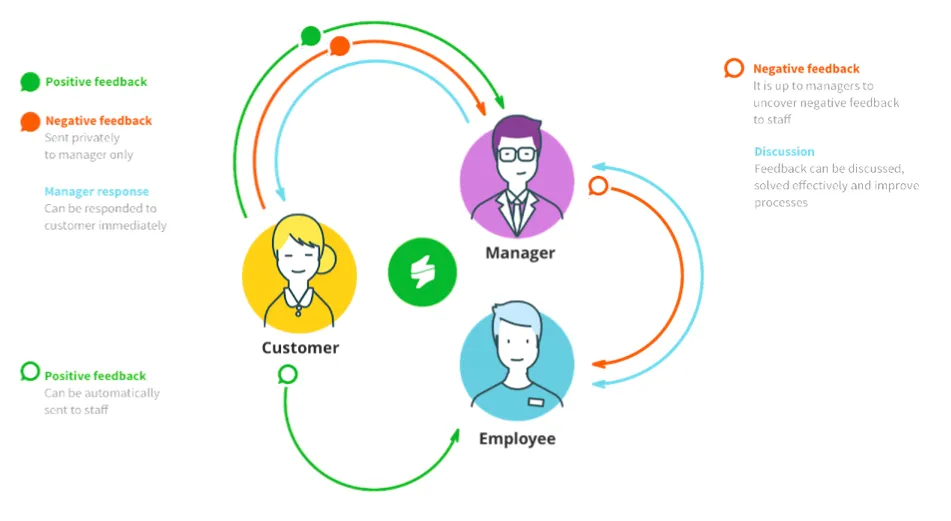

The question How can I build discipline instead of waiting for motivation? is perhaps the most practical and empowering one in the whole motivation vs. discipline debate. It shifts the focus from a fleeting emotion to an actionable skill. Building discipline is a muscle that strengthens with consistent effort, and it's the key to achieving your goals even on your motivation for lazy days. This is the core of how to stay consistent.
Here are actionable strategies to cultivate robust discipline:
-
Start Small and Build Momentum:
-
Tiny Habits: Don't aim for drastic changes initially. Instead of committing to an hour of exercise daily, commit to 5 minutes. Instead of writing a chapter, commit to one paragraph.
-
Consistency over Intensity: The goal is to build the habit of showing up, not to achieve peak performance right away. Once the tiny habit is ingrained, you can gradually increase the intensity or duration. This is crucial for building habits through discipline.
-
Why it works: Small steps reduce the psychological barrier, making it easier to start and stick with it, even when motivation is low.
-
-
Establish Clear Routines and Systems:
-
Remove Decision Fatigue: When something becomes a routine, you no longer have to debate with yourself whether to do it. It's just what you do.
-
Time Blocking: Schedule your disciplined actions into your calendar. "Monday, Wednesday, Friday, 6 AM: Gym." "Every evening, 7 PM: Read for 30 minutes."
-
Environment Design: Optimize your environment to make the desired action easier and undesired actions harder. (e.g., lay out gym clothes the night before, put tempting snacks out of sight, have your book by your bed).
-
Why it works: Routines automate behavior, reducing reliance on willpower and motivation. This is how you stay consistent.
-
-
Identify Your "Why" (Deep Intrinsic Motivation):
-
While you don't wait for motivation, having a strong, deeply personal reason for your goal provides the foundational fuel that makes discipline worth the effort. This is about tapping into intrinsic vs extrinsic motivation.
-
Connect to Values: Why is this goal important to you? How does it align with your values or the person you want to become?
-
Visualize Success: Regularly remind yourself of the long-term benefits and the person you'll be once you achieve the goal.
-
Why it works: This deep "why" acts as an anchor when discipline feels hard, helping you persevere.
-
-
Practice Self-Control and Delayed Gratification:
-
Resist Immediate Urges: Discipline often involves choosing the long-term gain over short-term pleasure. Practice saying "no" to immediate distractions or temptations. This directly relates to discipline and self-control.
-
"If-Then" Planning: Plan for common pitfalls. "If I feel like skipping the gym, then I will at least go for 15 minutes." "If I'm tempted to check social media, then I will open a book instead."
-
Why it works: Repeatedly exercising your discipline vs willpower strengthens this mental muscle.
-
-
Track Your Progress and Celebrate Small Wins:
-
Visual Tracking: Use a habit tracker, a calendar, or a journal to mark off each day you stick to your discipline. Seeing your streak can be incredibly motivating and reinforcing.
-
Acknowledge Effort: Focus on celebrating the act of showing up and being consistent, not just the outcome.
-
Why it works: This provides positive reinforcement that helps solidify the disciplined behavior and provides micro-bursts of positive feedback, helping with motivation psychology vs discipline.
-
-
Embrace Discomfort (and the "Discipline Muscle"):
-
Understand that feeling resistance or discomfort is a normal part of discipline. It means you're pushing past your comfort zone.
-
View discipline as a muscle. The more you exercise it, the stronger it gets. Each time you push through when you don't feel like it, you're making it easier for next time. This is a core aspect of mental toughness vs motivation.
-
-
Accountability:
-
External Accountability: Share your goals with a friend, family member, or mentor. Join a group or get a coach.
-
Internal Accountability: Commit publicly, or set up consequences for not following through.
-
Why it works: Knowing someone else is watching (or that you've publicly declared your intention) can provide an extra push on those tough days.
-
People Also Ask: How can I build discipline instead of waiting for motivation?* To build discipline instead of waiting for motivation, start with tiny habits and prioritize consistency over intensity to foster building habits through discipline. Establish clear routines and optimize your environment to remove decision fatigue. Identify your deep "why" (tapping into intrinsic vs extrinsic motivation) to fuel perseverance. Practice discipline and self-control by resisting immediate urges and employing "if-then" planning. Track your progress and celebrate small wins to provide positive reinforcement, and embrace the discomfort as a sign of building mental toughness vs motivation. Finally, use accountability (external or internal) to reinforce your commitment. These are the practical steps on how to stay consistent and manage your motivation for lazy days.
By consistently applying these strategies, you shift from being a slave to your feelings to being the master of your actions, forging true, lasting change through discipline.
5. Can you be successful with motivation alone?

The question Can you be successful with motivation alone? often arises from the exhilarating initial burst of inspiration we feel when starting new ventures. While motivation is undoubtedly a powerful catalyst, the honest answer for long-term, sustainable success is a resounding NO. You cannot be truly successful with motivation alone.
Here's why relying solely on motivation is a recipe for sporadic progress and ultimate stagnation when it comes to what drives success motivation or discipline:
-
Motivation's Volatility is a Major Handicap:
-
As established in why does motivation fade but discipline lasts?, motivation is highly emotional and fluctuates wildly. Some days you'll feel it, some days you won't.
-
If your actions are entirely dependent on your mood or an external spark, your progress will be inconsistent, jerky, and prone to stopping entirely when the emotional well runs dry.
-
Example: You're motivated to write a book. You write 10,000 words in a week. Then, two weeks later, the motivation is gone, and you haven't touched it. Without discipline, that book will never be finished.
-
-
The "Honeymoon Phase" Ends:
-
Most new endeavors come with an exciting "honeymoon phase" powered by novelty and initial enthusiasm. This is where motivation is strongest.
-
However, real progress usually begins after the honeymoon phase, when the novelty wears off, the work gets hard, and the results aren't immediately apparent. Motivation alone is not enough to carry you through this messy middle. This is why can motivation last? is so crucial.
-
-
Lack of Resilience Against Setbacks:
-
Success is rarely a straight line. There will be failures, disappointments, and unexpected obstacles.
-
When motivation is your only fuel, a significant setback can completely derail you, as the emotional hit can extinguish any remaining desire to continue.
-
Discipline, rooted in commitment and perseverance, allows you to pick yourself up and keep going despite adversity. This highlights the difference in mental toughness vs motivation.
-
-
No Foundation for Habit Formation:
-
Sustainable success is built on consistent, healthy habits (building habits through discipline). Motivation can kickstart a habit, but it doesn't form it.
-
Without discipline, a motivated burst of activity never solidifies into a routine, meaning you're constantly starting from scratch. This links directly to how do habits relate to discipline and motivation?
-
-
The "Lazy Day" Dilemma:
-
Everyone has days when they feel lazy, tired, or uninspired. If you rely on motivation, these are the days nothing gets done.
-
Discipline, on the other hand, provides the framework and commitment to act even on your motivation for lazy days, ensuring continuous progress.
-
-
It Promotes a "Feeling-First" Mentality:
-
Over-reliance on motivation encourages a "I'll do it when I feel like it" approach. This is detrimental to long-term goals that require consistent effort regardless of feeling.
-
Discipline instills an "I'll do it because it needs to be done" mindset.
-
People Also Ask: Can you be successful with motivation alone?* No, you cannot be truly successful with motivation alone for long-term, sustainable achievement. Motivation, being emotionally driven and volatile (can motivation last?), provides an initial spark but fades, leaving no reliable engine when the "honeymoon phase" ends or setbacks occur. Relying on it prevents the formation of consistent healthy habits and lacks the resilience or mental toughness vs motivation needed to push through motivation for lazy days. While useful for starting, motivation alone is insufficient to sustain the consistent action required to truly answer what drives success motivation or discipline in favor of lasting results.
While motivation is fantastic for getting you off the couch and excited about a new possibility, it's the quiet, unwavering force of discipline that will consistently get you across the finish line and allow you to build something meaningful and lasting.
6. How do habits relate to discipline and motivation?


The question How do habits relate to discipline and motivation? is central to understanding how sustainable change truly occurs. Habits, discipline, and motivation form a powerful, interconnected loop, but they play distinct roles in the process of achieving goals. This relationship is key to understanding how to stay consistent and why building habits through discipline is so effective.
Let's break down this dynamic:
-
Motivation: The Spark and the Initial Push (Igniting the Loop)
-
Role: Motivation is often the initial catalyst. It provides the desire, the inspiration, or the compelling "why" that makes you want to start a new behavior or habit.
-
Example: You're motivated to get fit, so you sign up for a gym membership and go for the first few days with enthusiasm.
-
Limitation: As discussed in why does motivation fade but discipline lasts? and can motivation last?, motivation is unreliable. It might get you started, but it won't keep you going indefinitely.
-
-
Discipline: The Bridge to Consistency (Sustaining the Loop)
-
Role: This is where discipline steps in. When the initial motivation inevitably fades, discipline is the commitment to act anyway. It's the force that compels you to perform the desired behavior repeatedly, even when you don't feel like it, especially on motivation for lazy days.
-
Process: Discipline transforms an intentional action into a consistent routine. It requires conscious effort, self-control, and a focus on long-term goals over immediate gratification. This is the essence of discipline and self-control.
-
Example: After a few days, your motivation to go to the gym wanes. But your discipline kicks in. You've committed to a schedule, so you put on your gym clothes and go, even if begrudgingly. This is how to build discipline.
-
-
Habits: The Automation and Autopilot (Closing the Loop)
-
Role: Habits are behaviors that become automatic through repetition. When a behavior becomes a habit, it requires very little willpower, decision-making, or conscious motivation to execute. It's on "autopilot."
-
Formation: Habits are built through discipline. The consistent, disciplined effort of repeatedly performing a behavior, even when it's hard, gradually rewires your brain. Neural pathways strengthen, and the action becomes routine.
-
Example: After weeks or months of disciplined gym attendance, going to the gym no longer feels like a huge effort. It's just what you do on those days. You might even feel off if you don't go. The habit is formed.
-
The Virtuous Cycle:
-
Motivation (Spark) → Discipline (Consistent Action) → Habit Formation (Automation) → Results (New Motivation)
-
Once a habit is formed through discipline, the positive results (e.g., better fitness, more money saved, completed writing) often generate new intrinsic motivation, reinforcing the cycle and making it even easier to continue.
-
This cycle answers how to stay consistent: by moving from motivated actions to disciplined routines, which then become ingrained habits.
People Also Ask: How do habits relate to discipline and motivation?* Habits relate to discipline and motivation in a cyclical manner: Motivation serves as the initial spark, providing the desire to start a new behavior (can motivation last?). When motivation inevitably fades, discipline acts as the bridge, compelling consistent action regardless of feeling, particularly on motivation for lazy days, to maintain the behavior. This consistent, disciplined effort is precisely how habits are built, eventually automating the behavior so it requires minimal conscious effort or motivation. Once formed, these healthy habits produce results that can then generate new intrinsic motivation, creating a powerful loop for how to stay consistent and ensuring discipline and self-control ultimately lead to lasting change.
Therefore, motivation gets you started, discipline keeps you going, and habits make it effortless. Focusing on building habits through discipline is the most reliable path to long-term success.
7. What role does self-control play in discipline?
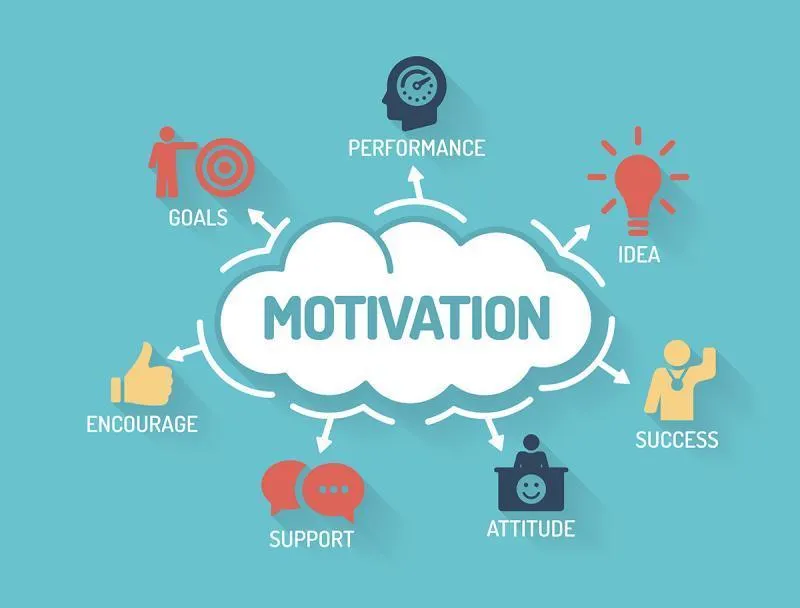

The question What role does self-control play in discipline? highlights an incredibly close and often symbiotic relationship. Self-control is not merely a component of discipline; it is arguably its very foundation and the fuel that keeps the engine of consistent action running, especially when considering discipline vs willpower.
Here’s why self-control is indispensable to discipline:
-
The Ability to Override Impulses:
-
Core Definition: At its heart, self-control is the capacity to regulate one's thoughts, emotions, and behaviors in the face of temptation or strong desires for immediate gratification.
-
Discipline in Action: Discipline often requires you to do something you don't feel like doing (e.g., waking up early for a run) or to refrain from doing something you do feel like doing (e.g., procrastinating by watching TV). This act of overriding an immediate impulse or desire is precisely where self-control comes in.
-
Example: Your alarm goes off at 5 AM. Your immediate impulse is to hit snooze. Self-control is the ability to resist that impulse and get out of bed, thereby demonstrating discipline. This answers how do you stay disciplined when you're not motivated?
-
-
Managing Distractions and Temptations:
-
In a world full of distractions (social media, notifications, tempting foods), self-control allows you to resist these pulls and stay focused on your long-term goals.
-
Discipline is about staying on track; self-control is the internal mechanism that keeps you from veering off.
-
-
Delayed Gratification:
-
Many disciplined behaviors involve sacrificing immediate pleasure for a larger, long-term reward.
-
Self-control is the psychological muscle that enables this delayed gratification. It allows you to resist the urge for instant comfort (e.g., eating junk food, skipping a workout) in favor of the future benefits (e.g., better health, achieving a fitness goal).
-
-
Maintaining Focus and Perseverance:
-
Discipline requires sustained attention and effort. Self-control helps you maintain focus even when tasks are boring, difficult, or monotonous.
-
It helps you push through moments of discomfort or frustration rather than giving up. This is closely related to mental toughness vs motivation.
-
-
Regulating Emotions:
-
Sometimes the biggest barrier to discipline isn't external temptation but internal emotional states (e.g., sadness, anxiety, anger).
-
Self-control allows you to regulate these emotions so they don't completely derail your commitment to action. You can acknowledge the feeling but still choose to act in alignment with your goals. This relates to is motivation emotional and discipline logical?
-
-
Willpower as a Component:
-
Self-control is often used interchangeably with willpower. While willpower can be a finite resource that depletes with overuse, self-control is also a skill that can be strengthened through practice.
-
Every time you successfully exercise self-control to maintain discipline, you reinforce those neural pathways, making it easier next time. This is how to build discipline.
-
People Also Ask: What role does self-control play in discipline?* Self-control plays a foundational and indispensable role in discipline, acting as the internal mechanism that enables consistent action. It is the ability to override immediate impulses and temptations, allowing you to do what needs to be done even when you don't feel like it, particularly on motivation for lazy days or when how do you stay disciplined when you're not motivated? is a challenge. Self-control facilitates delayed gratification, helps manage distractions, and enables perseverance and emotional regulation, all critical components of upholding discipline and self-control in pursuit of long-term goals. It's the willpower that powers the adherence to routines, forming the core of discipline vs willpower.
Therefore, without self-control, discipline would crumble in the face of temptation or discomfort. It's the inner strength that allows you to translate intention into consistent action.
8. How do you stay disciplined when you're not motivated?

The question How do you stay disciplined when you're not motivated? is the ultimate test of true commitment and often the defining factor between those who achieve their goals and those who merely dream about them. This is where the rubber meets the road in the motivation vs. discipline debate, particularly on motivation for lazy days.
Here are effective strategies to lean on discipline when motivation has packed its bags:
-
Lean on Your Systems and Routines (Automate Decisions):
-
The Power of Habit: This is the #1 strategy. When something is a habit, you don't need motivation to do it; you just do it. You've already done the hard work of building the routine through past discipline. This directly links to how do habits relate to discipline and motivation? and building habits through discipline.
-
Environmental Cues: Make your environment trigger the desired behavior. (e.g., gym bag by the door, healthy snacks visible, distracting apps deleted from your phone).
-
Time Blocking: If it's scheduled in your calendar, it's a commitment, not an option.
-
-
Focus on the "Minimum Viable Action" (Lower the Bar):
-
Don't Aim for Perfect, Aim for Consistent: On unmotivated days, don't try to hit your peak performance. Just commit to the absolute minimum required to keep the streak going.
-
Example: If your goal is a 1-hour workout, commit to 15 minutes. If it's writing 1000 words, commit to 100. Often, once you start, you'll do more. But the victory is in just starting. This directly addresses how to stay consistent.
-
Why it works: It reduces the perceived effort, making it easier to overcome inertia and the resistance of feeling unmotivated.
-
-
Remind Yourself of Your "Why" (Your Deeper Purpose):
-
Connect to Values: Go back to the core reason you started this in the first place. What are your long-term goals? What kind of person are you striving to be? How does this action align with your values?
-
Visual Cues: Have a vision board, a sticky note, or a reminder on your phone that articulates your "why."
-
Why it works: This taps into a deeper intrinsic vs extrinsic motivation that is more resilient than superficial feelings.
-
-
Implement Immediate Accountability:
-
Tell Someone: Text a friend that you're about to do the thing. Knowing someone expects it can be a powerful nudge.
-
Public Declaration: For bigger goals, share them publicly. The social pressure can be a motivator.
-
Consequences: Create small, self-imposed consequences for not following through (e.g., "If I don't work out, I have to do X chore I hate").
-
Why it works: External pressure can provide the initial momentum when internal motivation is absent.
-
-
Accept the Discomfort and Practice "Emotional Detachment":
-
Expect Resistance: Understand that it's normal to feel resistance, especially when unmotivated. Don't fight the feeling; just acknowledge it.
-
"Do it Anyway": The core of discipline is the ability to act even when you don't feel like it. Separate your feelings from your actions. This is the essence of discipline and self-control.
-
Why it works: This builds mental toughness vs motivation. You learn that feelings don't dictate your behavior.
-
-
Focus on the Process, Not the Outcome:
-
On unmotivated days, focusing on the daunting end goal can be overwhelming. Instead, break it down into the next immediate step.
-
"Just the first rep." "Just open the document." "Just five minutes."
-
Why it works: It makes the task feel less daunting and more manageable.
-
-
Reward Your Discipline (Not Just the Outcome):
-
Give yourself a small, non-detrimental reward immediately after completing the disciplined action, especially on days it was hard.
-
Why it works: It creates a positive feedback loop that strengthens the disciplined behavior. This relates to motivation psychology vs discipline.
-
People Also Ask: How do you stay disciplined when you're not motivated?* To stay disciplined when you're not motivated, especially on motivation for lazy days, lean heavily on established systems and routines and building habits through discipline by automating decisions and optimizing your environment. Focus on the minimum viable action to simply keep the streak going (how to stay consistent). Remind yourself of your deeper "why" (tapping into intrinsic vs extrinsic motivation) and implement immediate accountability through others or self-imposed consequences. Crucially, accept and detach from discomfort, practicing "doing it anyway" to build mental toughness vs motivation and discipline and self-control, by focusing on the process and rewarding your disciplined efforts, even small ones.
By consistently employing these strategies, you build a powerful internal engine that pushes you forward, regardless of how you feel.
9. Is motivation emotional and discipline logical?

The question Is motivation emotional and discipline logical? provides a helpful framework for understanding the core difference between motivation and discipline. While it's a simplification, it captures a fundamental truth about how these two forces operate within us, especially when comparing motivation psychology vs discipline.
Let's explore this distinction:
Motivation: Often Emotional
-
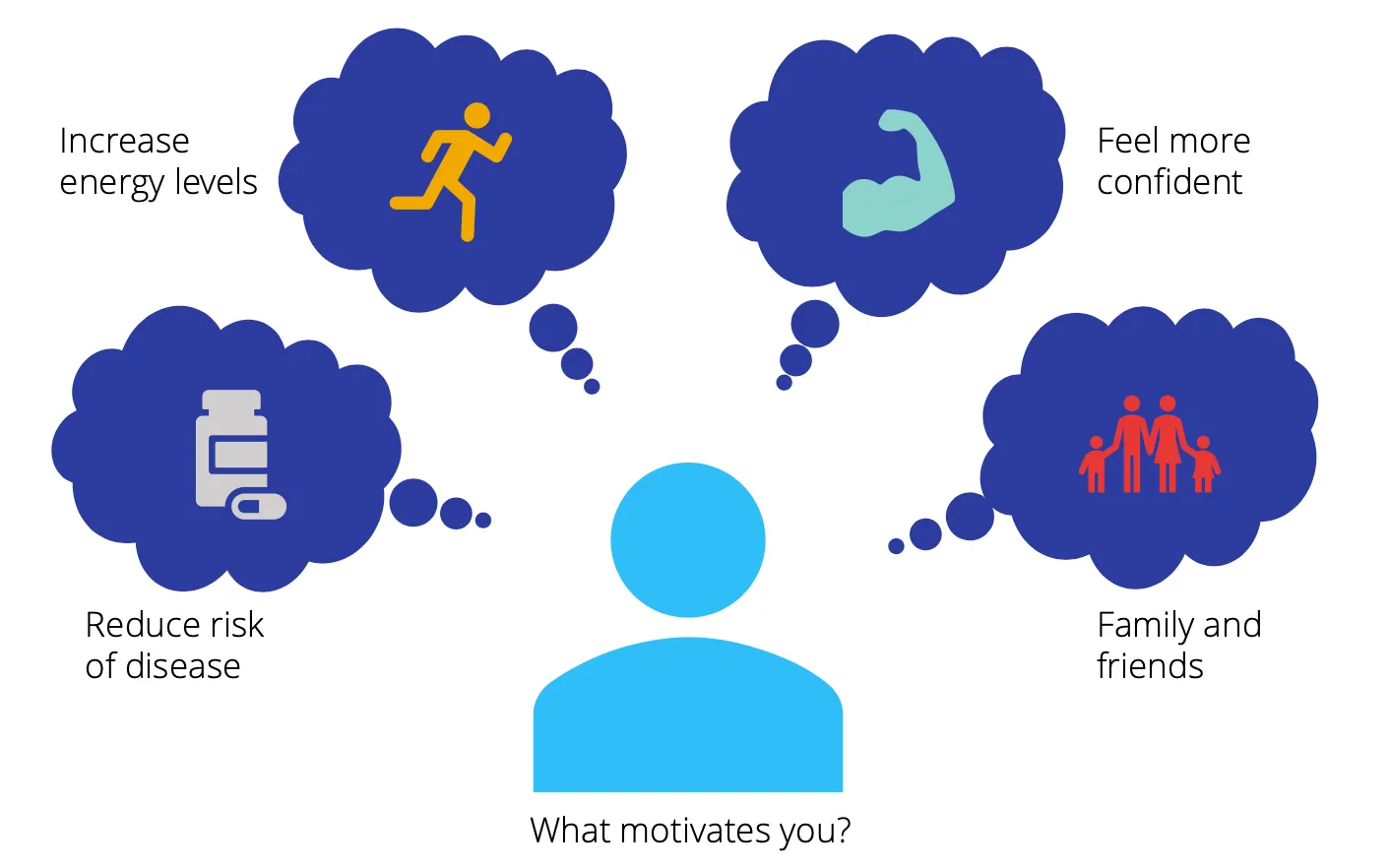
Fueled by Feelings: Motivation frequently arises from emotional states.
-
Excitement: The thrill of a new idea, the enthusiasm for a fresh start.
-
Hope: The positive feeling about achieving a desired outcome.
-
Desire: The longing for a reward or a particular feeling.
-
Fear/Avoidance: The emotional discomfort of not achieving something, or the desire to escape an undesirable situation (e.g., motivated to lose weight because you feel bad about your current health).
-
Inspiration: The emotional uplift experienced from witnessing someone else's success or an inspiring story.
-
-
Impulsive Nature: Because it's tied to emotions, motivation can be impulsive and fluctuate with mood. You're motivated when you feel good, inspired, or energetic. When those emotions wane, so does the motivation. This directly addresses can motivation last?
-
"Feel Good" Factor: Motivation often comes with a "feel good" chemical rush (like dopamine) when contemplating or initiating a new goal.
-
Analogy: Motivation is like a wave – powerful and exhilarating when it's high, but it always recedes. It's the passion you feel when you declare your New Year's resolution.
Discipline: Often Logical (or Rational/Action-Oriented)
-
Driven by Reason and Commitment: Discipline operates on a more cognitive, rational, and principle-based level. It's about making a conscious decision and sticking to it, regardless of current emotional states.
-
Strategic Thinking: It involves understanding the long-term consequences of your actions and prioritizing future benefits over immediate gratification.
-
Commitment to Plan: It's adhering to a pre-determined plan or routine, even when the emotional desire to do so is absent.
-
Adherence to Values: It's acting in alignment with your deeper values and identity ("I am a person who always finishes what I start," "I value my health").
-
-
Unemotional Execution: Discipline requires you to bypass or override immediate emotional impulses (e.g., laziness, boredom, fear, craving) and execute the logical step necessary for your goal. This is the essence of discipline and self-control.
-
"Do It Anyway" Mentality: It embodies the "do it anyway" principle – performing the action because it's necessary and logical for your progression, even when it feels uncomfortable. This answers how do you stay disciplined when you're not motivated?
-
Analogy: Discipline is like a carefully constructed dam – it holds back the unpredictable flow of emotional impulses and directs your energy consistently towards a specific outcome. It's showing up at the gym on a cold, dark morning because you logically know it's necessary for your health goals, regardless of how you feel about it.
The Interplay:
While motivation is emotional and discipline is logical, they are not entirely separate.
-
Logic Can Spark Emotion: Understanding the logical benefits of a long-term goal can create a sense of motivation.
-
Emotion Can Fuel Logic (Initially): A strong emotional motivation can provide the initial burst of energy needed to establish a disciplined routine.
-
Discipline Reinforces Positive Emotion: Consistently acting with discipline leads to tangible results, which then generate positive emotions (satisfaction, pride, accomplishment), thereby fueling new, more stable motivation. This is a feedback loop in motivation psychology vs discipline.
People Also Ask: Is motivation emotional and discipline logical?* Yes, the distinction holds true: motivation is often emotional, arising from feelings like excitement, hope, desire, or fear, making it inherently impulsive and fluctuating (addressing can motivation last?). Discipline, in contrast, is largely logical, driven by rational commitment, strategic thinking, and adherence to a plan or values, irrespective of current feelings. It embodies the "do it anyway" mentality, requiring self-control to override immediate emotional impulses (discipline and self-control) and act consistently towards long-term goals, even when motivation for lazy days strikes or how do you stay disciplined when you're not motivated? is a challenge. While distinct, they interact, with initial emotional motivation often kickstarting logical discipline, which then leads to results that can generate new positive emotions.
Recognizing this distinction is crucial for building sustainable habits and achieving long-term success. Rely on motivation to start, but cultivate discipline to sustain.
10. What are the best daily habits to build discipline?


The question What are the best daily habits to build discipline? moves us from theoretical understanding to practical application. Building discipline isn't about grand gestures; it's about consistently practicing small, manageable actions that strengthen your self-control muscle and create a reliable foundation for achieving bigger goals. These are the healthy habits that foster how to stay consistent.
Here are some of the best daily habits to cultivate discipline:
-
Make Your Bed Every Morning:
-
Why it works: This tiny habit is a powerful start to your day. It's a small, achievable win that creates a sense of accomplishment and sets a tone of order. It's the first act of discipline for the day, requiring minimal self-control.
-
The Domino Effect: As Admiral William H. McRaven famously said, "If you make your bed every morning, you will have accomplished the first task of the day. It will give you a small sense of pride, and it will encourage you to do another task and another and another."
-
-
Start Your Day with a "Win" (e.g., Exercise, Meditation, Journaling):
-
Purposeful Beginning: Dedicate the first 30-60 minutes of your day to a specific, disciplined activity that aligns with your personal goals, before checking emails or social media.
-
Examples: A short workout, 10 minutes of meditation, writing in a journal, planning your day.
-
Why it works: It trains your brain to prioritize and act on intentional choices rather than reacting to external stimuli. It builds momentum and reinforces that you are in control of your day, not the other way around. This helps on motivation for lazy days.
-
-
Time Blocking Your Most Important Task (MIT):
-
Prioritize and Focus: Identify the single most important task (MIT) you need to accomplish that day and schedule a specific, uninterrupted block of time to work on it, ideally early in your day.
-
Why it works: This habit ensures that critical work gets done, even if other things fall by the wayside. It forces you to make a commitment and stick to it, building your discipline vs willpower.
-
-
Practice Delayed Gratification:
-
Conscious Resistance: Whenever you feel an urge for instant gratification (e.g., checking social media, eating unhealthy food, procrastinating), consciously pause and choose to delay it or opt for a more productive alternative.
-
Example: Instead of immediately grabbing your phone when bored, pick up a book or go for a short walk.
-
Why it works: Regularly exercising this muscle strengthens discipline and self-control.
-
-
Follow a Consistent Sleep Schedule:
-
Non-Negotiable Recharge: Going to bed and waking up at roughly the same time every day, even on weekends, is a profound act of discipline that pays massive dividends for energy, mood, and cognitive function.
-
Why it works: It regulates your circadian rhythm, leading to better quality sleep, which in turn gives you more energy to be disciplined during the day. This is a crucial mental toughness vs motivation habit.
-
-
Maintain a Tidy Workspace:
-
External Order, Internal Clarity: Dedicate 5-10 minutes at the end of each workday to tidying your desk and organizing your materials for the next day.
-
Why it works: A clean environment reduces mental clutter and makes it easier to start work with focus, requiring less willpower to get going.
-
-
Mindful Eating/Drinking:
-
Conscious Choices: Pay attention to what you eat and drink, making conscious choices that align with your health goals, rather than eating impulsively.
-
Why it works: This practice strengthens your ability to make intentional choices, a core component of discipline, and is fundamental to overall well-being.
-
-
Regularly Review Your Goals and Progress:
-
Stay Connected to Your "Why": Take a few minutes each day or week to review your overarching goals and reflect on your progress.
-
Why it works: This habit reconnects you with your purpose and provides reinforcement for your disciplined efforts, helping manage motivation psychology vs discipline by tying actions to purpose.
-
People Also Ask: What are the best daily habits to build discipline?* The best daily habits to build discipline focus on consistent, small actions that strengthen self-control and how to stay consistent. Start each day with a "win" like making your bed or a short exercise/meditation session, setting a tone of intentionality. Time block your most important tasks to ensure critical work gets done. Regularly practice delayed gratification by resisting immediate temptations and choosing long-term benefits. Maintain a consistent sleep schedule for optimal energy. Keep a tidy workspace to reduce mental clutter, and practice mindful eating/drinking for conscious decision-making. Finally, regularly review your goals and progress to stay connected to your "why" and reinforce your mental toughness vs motivation, moving beyond reliance on fleeting motivation. These are effective strategies for building habits through discipline.
By consistently incorporating these simple yet powerful habits into your daily routine, you'll find your discipline muscle growing stronger, making it easier to achieve even your most ambitious aspirations.
The Steadfast Path to Real Transformation
We began by asking whether motivation vs. discipline is a zero-sum game, or if you truly can have both. What we've discovered is that while motivation is a glorious spark – the initial inspiration that gets us excited and off the starting line – it's an unreliable flame that often flickers and fades. This makes understanding why does motivation fade but discipline lasts absolutely critical.
The true engine of lasting change, the quiet force that reliably shows up even on your motivation for lazy days, is discipline. It's the unwavering commitment to do what needs to be done, regardless of how you feel about it. It’s the consistent effort that builds healthy habits, transforming aspirations into achievements.
You cannot achieve what drives success motivation or discipline with motivation alone. Instead, by focusing on how to build discipline through daily practices like making your bed, time blocking your priorities, and embracing self-control and delayed gratification, you forge a powerful inner strength. This discipline and self-control is not about rigid self-deprivation; it's about freedom – the freedom to choose your long-term goals over fleeting impulses, the freedom to stay consistent even when the initial emotional high of motivation psychology vs discipline has long since dissipated.
So, the next time that incredible burst of motivation strikes, ride it! Use its energy to get started. But then, as it inevitably wanes, don't despair. Instead, lean into the steadfast power of your discipline. Cultivate those daily habits, honor your commitments, and trust that consistent action, fuelled by your deeper "why," will indeed drive the real, profound, and lasting change you desire.
Maybe you are interested:
Freelancing vs Full-Time Employment: Which Career Path Fits You Best?

Digital Detox vs Nature Retreat: Which One Truly Recharges Your Mind?
More Like This

How to Improve Your Life: A Complete Guide to Personal Growth
by Emily Cooper
Why is sleep important? What do you need to know about sleep?
by Emily Cooper