Or perhaps you've heard friends talk about cutting expenses, and wondered if they're embracing a frugal lifestyle vs minimalist lifestyle? It's easy to get these two powerful approaches to life intertwined, even confused, because they often share common ground, especially when it comes to saving money.
But here's the kicker: while both can lead to a more intentional and less cluttered existence, their core motivations and underlying philosophies are distinct. It's not about which is "better," but about understanding the difference between frugal and minimalist and deciding which path, or blend of paths, truly resonates with your goals. Are you primarily driven by saving every penny, or by simplifying your life to focus on what truly matters?
As someone who's spent years observing and writing about lifestyle choices that impact financial well-being and personal happiness, I can tell you that clarity here is key. This blog post will unravel the nuances, exploring the motivations behind frugal living vs minimalism, diving into the practical implications, and helping you discover whether you're leaning more towards a minimalist vs frugal mindset.
1. What is the difference between frugal living and minimalism?

?)

At a glance, both frugal living and minimalism can appear to be about having less. However, the difference between frugal living and minimalism lies fundamentally in their core motivation and ultimate goal. They are often complementary but not interchangeable. Think of it like this: they might share some outward behaviors, but their "why" is distinct.
Frugal Living: The "Why" is Financial
-
Definition: Frugal living is primarily about being economical, resourceful, and careful with money and resources to avoid waste. It's about optimizing your spending to maximize savings, reduce expenses, and get the most value for your dollar.
-
Core Motivation: Financial efficiency and savings. The goal is to spend less, save more, and often, reach specific financial goals like debt repayment, early retirement, or a down payment on a house.
-
Focus: Cost-cutting, finding deals, DIY, avoiding unnecessary expenses, and making conscious choices about where your money goes. It's a pragmatic approach to money management.
-
Relationship with Possessions: A frugal person might keep many possessions if they serve a purpose and help save money in the long run (e.g., repairing old items instead of buying new, buying in bulk to save per unit, owning tools to do DIY repairs). Their choices about possessions are driven by their utility and cost-effectiveness.
-
Example: A frugal person might drive an old, reliable car for years to avoid car payments, even if it's not aesthetically pleasing. They might extensively research the cheapest flight, pack their own snacks for a trip, or fix a leaky faucet themselves rather than calling a plumber. They often ask, "How can I spend less on this?" or "Is there a cheaper alternative?"
Minimalism: The "Why" is Intentionality and Value
-
Definition: Minimalism is a lifestyle philosophy that focuses on intentionally living with less to create more space for what truly matters. It's about decluttering your life – not just possessions, but also commitments, distractions, and even mental clutter – to align with your core values.
-
Core Motivation: Simplicity, freedom, clarity, and focusing on experiences, relationships, and personal growth over material possessions. The goal is to remove the excess that distracts from a fulfilling life.
-
Focus: Decluttering, essentialism, intentional consumption, valuing experiences over things, and seeking quality over quantity. It's a philosophical approach to life.
-
Relationship with Possessions: A minimalist actively questions the necessity and value of every possession. If an item doesn't add significant value, purpose, or joy, it is often removed, regardless of its cost. They might buy a high-quality, expensive item if it serves its purpose perfectly and means they won't need to replace it.
-
Example: A minimalist might own only a few carefully selected, high-quality pieces of clothing, even if they were expensive, because they love them and they suit their lifestyle. They might choose to live in a small space to reduce maintenance and cognitive load, even if they could afford a larger one. They often ask, "Does this add value to my life?" or "Can I live without this?"
The Overlap:
Both approaches often lead to spending less and saving more, but for different reasons. A minimalist spends less because they simply buy less, focusing on what they truly need. A frugal person spends less because they optimize their purchases, seeking the best value or cheapest option. The outcome can look similar, but the guiding principles are distinct. This is the essence of frugal lifestyle vs minimalist lifestyle.
2. Can you be frugal and not minimalist?

?)
Absolutely, can you be frugal and not minimalist? The answer is a resounding yes! This is one of the clearest ways to illustrate the difference between frugal and minimalist.
Being frugal is primarily about financial efficiency and careful spending. It means you're mindful of how you use your money and resources to maximize value and minimize waste. You're driven by the desire to save money, avoid debt, and achieve financial goals.
A frugal person might:
-
Own a lot of stuff: They might keep an older, perfectly functional appliance even if it's bulky or aesthetically unpleasing, because replacing it would be an unnecessary expense. They might have a garage full of tools they rarely use, but keep them because buying new ones for a rare DIY project would be more expensive than maintaining their current stash.
-
Buy in bulk: To save money per unit, they might buy large quantities of non-perishables, toiletries, or cleaning supplies, which could mean their pantry or storage areas are quite full. A minimalist might avoid bulk buying if it means having excessive items they don't immediately need or if it clutters their space.
-
Accept hand-me-downs or free items: If someone offers them free furniture, clothes, or household items, a frugal person will likely accept them, especially if they are useful and save money. A minimalist would first ask if the item adds value or purpose to their life and if it aligns with their desire for less stuff.
-
Prioritize function over form (and cost over aesthetics): They might choose the cheapest, most durable option for something, even if it doesn't fit a particular aesthetic. Their home might reflect utility and cost-effectiveness rather than a curated, sparse design. This can be seen in a frugal home vs minimalist home.
-
Engage in DIY extensively: They'll fix things, bake from scratch, grow their own vegetables, or do their own home repairs to save money, even if it means accumulating more tools or supplies.
In essence, a frugal person's home or life might not look like the pristine, empty spaces often associated with minimalism. They might have a full pantry, a busy workbench, or a closet brimming with carefully mended clothes. Their decision-making process revolves around the financial benefit and avoiding waste, not necessarily the aesthetic or philosophical ideal of "less."
So, while both lifestyles can lead to saving money, a frugal person’s main driver is financial, allowing for a potentially high accumulation of items if those items are acquired cheaply, last long, or enable further savings. This highlights the core of frugal living vs minimalism: one is about optimizing finances, the other about optimizing life by removing excess.
3. Is minimalism about saving money?
?)
This is a frequently asked question, and the answer to Is minimalism about saving money? is not directly, but often indirectly. While saving money is a common outcome of practicing minimalism, it's not the primary motivation or defining characteristic of the philosophy itself. This is a key point to understand the difference between frugal and minimalist.
Here's why:
-
Primary Motivation of Minimalism: Intentionality and Value:
-
Minimalism's core is about intentional living – identifying what truly adds value to your life and eliminating everything else. This "elimination" extends beyond physical possessions to commitments, digital clutter, and distractions.
-
The goal is to create space (physical, mental, emotional) for what matters most: experiences, relationships, personal growth, creativity, and purpose. It's a philosophy about focusing on quality over quantity, and essence over excess.
-
-
How Saving Money Becomes an Indirect Outcome:
-
Reduced Consumption: When you intentionally choose to buy only what you truly need and value, you naturally reduce impulse purchases, unnecessary upgrades, and accumulation of "stuff" you don't use. This directly leads to spending less.
-
Focus on Experiences over Things: Minimalists often prioritize experiences (travel, learning, social events) over material possessions. While experiences can cost money, this shift often leads to less frequent, large purchases of consumer goods.
-
Appreciation for Quality: Minimalists often opt for high-quality, durable items that serve their purpose well and last longer, even if they cost more upfront. This reduces the need for frequent replacements, leading to long-term savings.
-
Smaller Living Spaces: Many minimalists choose to live in smaller homes or apartments. This can result in lower rent/mortgage payments, lower utility bills, and less money spent on furnishing and decorating large spaces. This is a practical example of minimalist living on a budget.
-
Less Maintenance Costs: Less stuff means less to clean, organize, repair, or store. This can save money on cleaning supplies, storage units, and repair services.
-
-
Where Minimalism Differs from Frugality:
-
A frugal person might buy a cheap, low-quality item if it saves money, even if it needs frequent replacement. A minimalist might invest in an expensive, high-quality version of an essential item because it serves its purpose perfectly and reduces mental clutter from constant replacement. The financial outcome might be similar in the long run, but the initial decision-making process is different.
-
A minimalist might give away perfectly good items that they no longer find valuable, even if those items cost money to acquire. A frugal person would likely try to resell them or repurpose them to recoup some cost or save money.
-
In essence, is minimalism about saving money? No, not as its primary aim. It's about simplifying and focusing. However, the intentionality and reduced consumption inherent in the minimalist lifestyle almost invariably lead to more conscious spending and significant savings. It's a happy byproduct of a deeper philosophical choice, making minimalist financial habits often very effective for financial goals, which we will explore further.
4. Which lifestyle is more sustainable—minimalist or frugal?

?)
When we talk about sustainability, we often think of environmental impact, but it also applies to personal financial and mental well-being over the long term. So, Which lifestyle is more sustainable—minimalist or frugal? Both have strong claims, and the answer often lies in how they are practiced and the motivations behind them.
Let's break it down:
Sustainability of Frugal Living:
-
Environmental Sustainability:
-
Pros: Frugal living inherently promotes reducing waste by reusing, repairing, and repurposing items. It encourages avoiding new purchases and making things last, which is excellent for the environment. Buying used, growing your own food, and minimizing consumption of highly processed goods are all very sustainable practices.
-
Cons: If frugality crosses into "cheapness" (see section 5), it can lead to buying low-quality items that break quickly, creating more waste in the long run. Also, a focus solely on cost might sometimes lead to less environmentally friendly choices if the cheaper option has a higher carbon footprint (e.g., cheaper fast fashion vs. ethically made durable clothing).
-
-
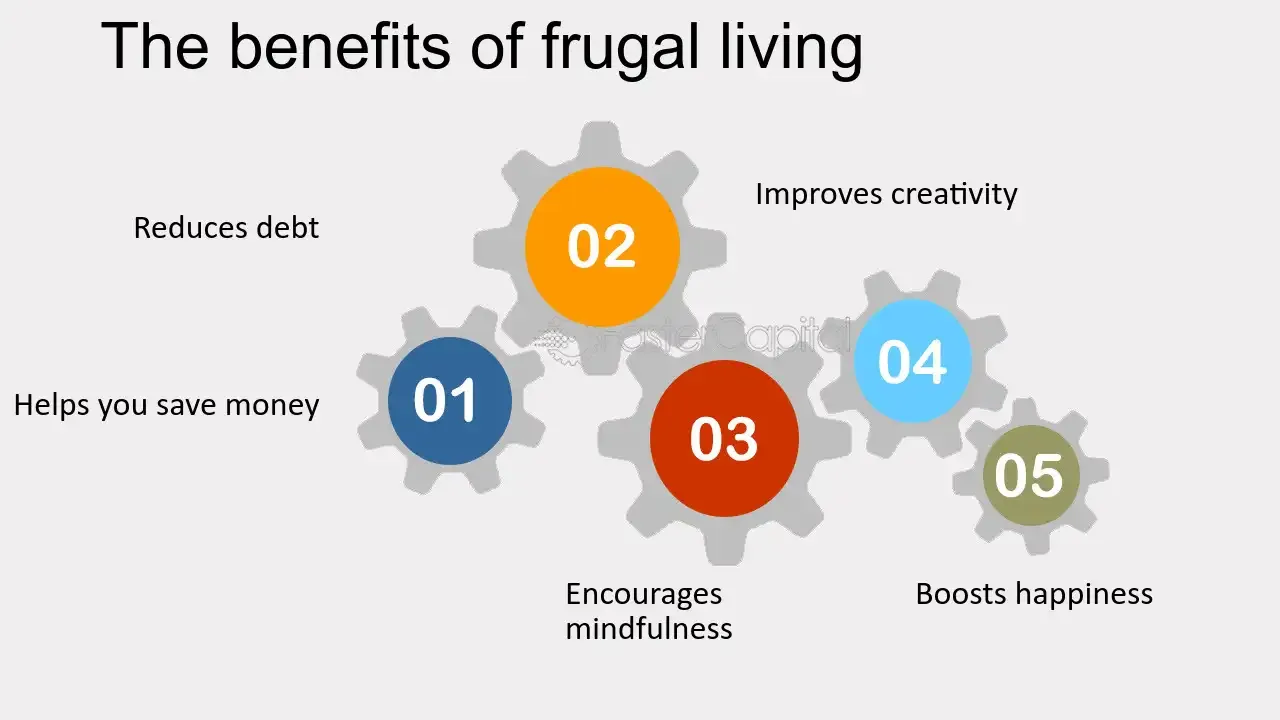
Financial Sustainability: Highly sustainable. The core aim of frugality is to save money, reduce debt, and build financial security. This directly leads to long-term financial stability. What are the benefits of a frugal lifestyle? Financial resilience is a huge one.
-
Mental/Emotional Sustainability:
-
Pros: The sense of control over your finances and the achievement of financial goals can be incredibly empowering and good for mental well-being.
-
Cons: If frugality becomes extreme or obsessive, it can lead to deprivation, anxiety around spending, and a feeling of missing out. It can become mentally exhausting if every single decision is about optimizing cost.
-
Sustainability of Minimalism:
-
Environmental Sustainability:
-
Pros: By intentionally consuming less and focusing on high-quality, long-lasting items, minimalism inherently reduces overall consumption and waste. It encourages decluttering and reducing your physical footprint. The emphasis on experiences over possessions also lowers material impact.
-
Cons: The "decluttering" phase, if not done thoughtfully, can sometimes lead to perfectly good items being prematurely discarded (though responsible donation/resale mitigates this). The focus on aesthetics might sometimes mean replacing functional but "ugly" items, which isn't sustainable.
-
-
Financial Sustainability: Highly sustainable. While not its primary goal, reduced consumption, intentional purchasing, and valuing experiences lead to significant savings. This makes minimalist financial habits very powerful for achieving financial goals like early retirement. Can minimalism help with financial goals? Yes, very much so, as a direct byproduct.
-
Mental/Emotional Sustainability:
-
Pros: Reducing clutter (physical, mental, digital) can lead to immense clarity, reduced stress, and more time and energy for what truly matters. This often results in a profound sense of freedom and purpose. This is a major benefit for intentional living vs cost-cutting.
-
Cons: The initial decluttering process can be emotionally draining. For some, the pursuit of extreme minimalism can become a rigid dogma, leading to feelings of guilt or anxiety about owning "too much" or not being "minimalist enough."
-
Conclusion:
Both lifestyles, when practiced thoughtfully, are highly sustainable.
-
Frugal living shines brightly in financial sustainability and has significant environmental benefits through resourcefulness and waste reduction.
-
Minimalism excels in mental/emotional sustainability by fostering intentionality and clarity, which in turn leads to strong environmental benefits through reduced consumption and often, very positive financial outcomes.
Ultimately, the most sustainable approach might be a blend: frugal minimalism lifestyle. This combines the intentionality of minimalism (only owning what truly adds value) with the financial savvy of frugality (getting the best value for those valued items). This balanced approach ensures you're not just saving money or simplifying your life, but doing both in a way that truly lasts.
5. Is frugal living the same as being cheap?
?)
This is a really common and important distinction to make: Is frugal living the same as being cheap? The answer is no, absolutely not, though the lines can sometimes appear blurred from the outside. The frugal vs cheap vs minimalist comparison is helpful here.
Let's break down the nuance:
Frugal Living:
-
Definition: Frugal living is about resourcefulness, value optimization, and intentional spending. It's about being careful with your money to make it stretch further, avoid waste, and achieve financial goals. The focus is on long-term value and responsible stewardship of resources.
-
Motivation: Financial independence, debt repayment, saving for big goals (e.g., house, retirement), reducing financial stress.
-
Key Characteristics:
-
Value-driven: Asks "What is the best value for my money?" and "How can I avoid waste?"
-
Long-term perspective: Willing to spend more upfront for something that will last longer or save money over time (e.g., buying a durable, energy-efficient appliance).
-
Resourceful: Repairs things, uses what they have, seeks alternatives.
-
Generous (with intention): A truly frugal person may be very generous when it aligns with their values and means. They save money so they can spend on things that matter.
-
Example: A frugal person might spend hours researching and comparing prices for a major purchase to get the best deal, or learn a new skill like baking bread from scratch to save money on groceries. They bring lunch to work to save money, not because they are unwilling to pay.
-
Being Cheap:
-
Definition: Being cheap (or stingy) is primarily about avoiding spending money at all costs, often at the expense of quality, efficiency, fairness, or even relationships. The focus is purely on the lowest price, regardless of the consequences.
-
Motivation: Often driven by fear of spending, a desire to hoard money, or simply a disinterest in quality or others' well-being.
-
Key Characteristics:
-
Price-driven: Asks "What is the absolute lowest price?"
-
Short-term perspective: Prioritizes immediate savings, even if it means buying low-quality items that break quickly, costing more in the long run.
-
Lacks consideration for others: May inconvenience others to save a small amount of money (e.g., refusing to tip, always splitting a bill unevenly to their advantage).
-
May compromise quality or experience: Opts for the absolute cheapest option, even if it leads to frustration or a poor outcome.
-
Example: A cheap person might consistently buy the lowest-quality tools that break after a few uses, leading to repeat purchases. They might never offer to pay their fair share in a group outing, or complain excessively about prices to avoid paying.
-
The Key Distinction (Intentionality vs. Aversion):
The core difference is intent. Frugality is intentional and strategic, aiming for long-term benefit and responsible resource management. Cheapness is often reactive, driven by an aversion to spending, and can lead to negative consequences like poor quality purchases, strained relationships, or increased costs down the line.
While both might involve cost-cutting, frugal living is about doing so intelligently and strategically, while cheapness is about doing so indiscriminately. A frugal person understands the value of money and uses it wisely; a cheap person simply doesn't want to part with it. Understanding this helps clarify the nuances of the frugal lifestyle vs minimalist lifestyle comparison.
6. Can minimalism help with financial goals?
?)
Absolutely, can minimalism help with financial goals? The answer is a resounding yes! While saving money isn't the primary goal of minimalism, it is an incredibly powerful and consistent byproduct of embracing a minimalist lifestyle. Many individuals find that adopting minimalist financial habits significantly accelerates their progress toward financial freedom, debt repayment, and wealth building.
Here's how minimalism contributes to achieving financial goals:
-
Reduced Consumption = Increased Savings:
-
Direct Impact: The core tenet of minimalism is intentionally owning and consuming less. When you buy fewer things, impulse purchases dwindle, and the need for constant upgrades diminishes, you simply have more money available.
-
Example: Instead of buying the latest gadget or trendy clothing, a minimalist might choose to use their existing items until they wear out, or simply decide they don't need new things. This directly translates to money staying in your bank account, ready for savings or investments.
-
-
Focus on Needs vs. Wants:
-
Clarity: Minimalism encourages a clear distinction between what you truly need and what are simply wants fueled by consumerism. This intentionality helps curb discretionary spending on non-essentials.
-
Impact: By consciously evaluating every potential purchase, minimalists avoid the trap of "keeping up with the Joneses" and spending money to impress others or to fill an emotional void. This aligns with intentional living vs cost-cutting.
-
-
Smaller Housing Costs:
-
Less Space Needed: Many minimalists choose to live in smaller homes or apartments because they have fewer possessions.
-
Financial Benefit: Smaller spaces typically mean lower rent or mortgage payments, reduced utility bills, and less money spent on furnishing, maintaining, and decorating a large area. This is a practical example of minimalist living on a budget.
-
-
Investing in Experiences Over Possessions:
-
Shift in Priorities: Minimalists often prioritize experiences, travel, learning, and relationships over accumulating material goods.
-
Financial Benefit: While experiences cost money, they generally don't require ongoing maintenance, storage, or upgrades like physical possessions do. The money saved from not buying "stuff" can be redirected towards these enriching experiences, or, crucially, towards investments.
-
-
Reduced Debt:
-
Less Spending, Less Borrowing: With reduced consumption comes less need to borrow money to fund purchases. Minimalists are less likely to accumulate credit card debt from buying unnecessary items.
-
Debt Repayment: For those already in debt, the money freed up by minimalist habits can be aggressively channeled towards debt repayment, accelerating their journey to becoming debt-free.
-
-
Lower Maintenance and Lifestyle Costs:
-
Less Stuff, Less Expense: Fewer possessions mean less to clean, organize, repair, or store. This can lead to savings on cleaning supplies, storage unit fees, and repair services.
-
Example: Not owning a huge wardrobe means less spent on dry cleaning or organizing solutions.
-
-
Increased Focus and Energy for Financial Planning:
-
Mental Clarity: By decluttering their physical and mental space, minimalists often gain more clarity and focus. This liberated energy can then be directed towards learning about investments, budgeting, and actively managing their money.
-
Time Savings: Less time spent shopping, organizing, and maintaining possessions means more time that can be dedicated to side hustles, financial education, or strategic planning.
-
In conclusion, while the core of minimalism isn't about saving money, its inherent principles of intentionality, reduced consumption, and focus on what truly matters create a powerful foundation for strong minimalist financial habits. These habits directly lead to increased savings, reduced debt, and a faster path towards virtually any financial goal, making it a highly effective approach when considering frugal living vs minimalism for a financially healthier life.
7. What are the benefits of a frugal lifestyle?

?)
A frugal lifestyle isn't just about pinching pennies; it's a strategic approach to managing your resources that can unlock a multitude of profound benefits, extending far beyond just your bank account. So, What are the benefits of a frugal lifestyle? They touch upon financial security, mental well-being, and even environmental responsibility.
Here are some of the key advantages:
-
Enhanced Financial Security and Stability:
-
Debt Reduction: By actively spending less and seeking value, you free up more money to pay down existing debts, leading to a quicker path to being debt-free. This is one of the most immediate and impactful benefits.
-
Increased Savings and Investments: The money saved from frugal habits can be channeled directly into an emergency fund, retirement accounts, or other investments, accelerating your progress towards financial goals like a down payment, starting a business, or early retirement.
-
Building Wealth: Over time, consistent saving and smart spending compound, contributing significantly to long-term wealth accumulation. This is the essence of save money vs simplify life with a financial focus.
-
Reduced Financial Stress: Knowing you have control over your money, are prepared for emergencies, and are making progress towards goals can significantly reduce financial anxiety and worry. Is frugal living good for mental health? This point is a huge contributor to why it can be.
-
-
Increased Financial Freedom and Flexibility:
-
Option Value: By living below your means, you build a financial buffer that gives you options. You might be able to take a career break, pursue a passion project, or simply worry less about unexpected expenses.
-
Resilience: A frugal mindset makes you more resilient to economic downturns, job loss, or unforeseen expenses, as you're accustomed to making do with less and have financial reserves.
-
-
Improved Resourcefulness and Creativity:
-
Problem-Solving: When you actively seek ways to save money, you become more creative and resourceful. You learn to fix things, repurpose items, find alternative solutions, and make the most of what you have.
-
DIY Skills: Many frugal individuals develop valuable DIY skills (cooking, repairs, gardening) that not only save money but also boost self-sufficiency and confidence.
-
-
Better Appreciation for What You Have:
-
Gratitude: When you're not constantly chasing the next new thing, you tend to appreciate your existing possessions and experiences more deeply.
-
Reduced Consumerism: Frugality naturally pushes back against the endless cycle of consumerism and the pressure to "keep up with the Joneses."
-
-
Environmental Benefits:
-
Reduced Waste: Frugal habits like reusing, repairing, buying less new, consuming less energy, and avoiding single-use items inherently lead to less waste and a smaller carbon footprint. This is a significant aspect of how to live frugally and simply.
-
Sustainable Consumption: It promotes a more sustainable way of living by valuing longevity and utility over disposability.
-
-
Opportunity to Invest in What Truly Matters:
-
Intentional Spending: Frugality isn't about never spending; it's about spending mindfully. By cutting costs on things you don't value, you free up funds to generously spend on things that genuinely align with your priorities and bring you joy (e.g., travel, experiences, education, charity, high-quality items you deeply appreciate). This is a crucial distinction from being "cheap."
-
In summary, the pros and cons of frugal living heavily favor the "pros." While it requires discipline and conscious effort, the benefits of a frugal lifestyle extend far beyond just your bank balance, contributing to greater financial security, personal resilience, and a more resourceful and intentional way of living.
8. Do minimalists spend less money?
?)
This is a common question that often blurs the lines between frugal living vs minimalism: Do minimalists spend less money? The short answer is: yes, almost invariably, but not necessarily because saving money is their primary goal.
Here's why minimalists tend to spend less money:
-
Reduced Consumption:
-
Core Principle: Minimalism is about intentionally living with less. This means actively questioning every purchase and only bringing items into your life that truly serve a purpose or bring genuine joy.
-
Impact: When you buy fewer items, you automatically spend less money. This cuts down on impulse buys, unnecessary gadgets, excessive clothing, and decorative items that often clutter homes. This is the most direct way minimalist financial habits lead to savings.
-
-
Focus on Needs vs. Wants:
-
Minimalism encourages clarity about what is truly essential. This helps differentiate between genuine needs and wants driven by advertising or societal pressures. By making conscious decisions, minimalists are less susceptible to consumerist traps.
-
-
Prioritizing Quality Over Quantity:
-
Durability and Longevity: Minimalists often invest in fewer, higher-quality items that are designed to last. While the initial outlay might be more expensive than a cheap, mass-produced alternative, these items require less frequent replacement, leading to long-term savings.
-
Example: A minimalist might buy one well-made, classic winter coat that lasts a decade, rather than five trendy, cheap coats that each last one season. In the long run, the single high-quality coat saves money.
-
-
Valuing Experiences Over Possessions:
-
A significant aspect of the minimalist lifestyle is a shift in focus from accumulating "stuff" to accumulating experiences, personal growth, and strong relationships.
-
While experiences can cost money (e.g., travel, concerts, classes), the overall spending pattern often changes. Money that might have gone towards impulse buys or constantly upgrading material possessions is redirected or saved.
-
-
Smaller Living Spaces:
-
Many minimalists choose to live in smaller homes, apartments, or even tiny houses because they have fewer possessions and don't require vast storage.
-
This naturally leads to lower housing costs (rent or mortgage), reduced utility bills, and less money spent on furnishing and maintaining a larger space. This is a key part of minimalist living on a budget.
-
-
Reduced Maintenance and Ownership Costs:
-
Less stuff means less to clean, organize, repair, or store. This translates to savings on cleaning supplies, storage unit fees, and various service charges.
-
Fewer cars, for example, mean less on gas, insurance, and maintenance.
-
The Distinction from Frugality:
While minimalists do spend less, their reason for doing so is typically different from a frugal person. A frugal person's primary goal is to save money, so they might choose the cheapest option even if it's lower quality or less aesthetically pleasing, as long as it gets the job done. A minimalist might choose to spend more on a high-quality item if it perfectly fits their intentional living philosophy, knowing it will last and bring joy, even if a cheaper, less desirable alternative exists.
Ultimately, do minimalists spend less money? Yes, the practices of decluttering, intentional consumption, and valuing quality and experiences over quantity almost always result in significantly reduced spending, making minimalism a powerful ally for achieving financial goals.
9. Is frugal living good for mental health?
?)
The question Is frugal living good for mental health? is increasingly relevant in our high-stress, consumption-driven world. The answer is a nuanced but generally strong yes, with some important caveats about how it's practiced. When approached mindfully, a frugal lifestyle can indeed offer significant psychological benefits.
Here's why frugal living can be positive for mental health:
-
Reduced Financial Stress and Anxiety:
-
Core Benefit: One of the biggest stressors in modern life is financial worry. By actively managing money, avoiding debt, building savings, and living within or below your means, frugal living directly alleviates a major source of anxiety.
-
Impact: Knowing you have an emergency fund, are prepared for unexpected expenses, and are making progress towards financial goals provides a profound sense of security and control. This peace of mind is invaluable for mental well-being. This is arguably the top reason why frugal living is good for mental health.
-
-
Increased Sense of Control and Empowerment:
-
When you take charge of your spending and actively make choices that align with your financial goals, you feel more empowered. This sense of agency can combat feelings of helplessness or being overwhelmed by financial pressures.
-
How to live frugally and simply helps you gain control over your money, rather than feeling controlled by it.
-
-
Freedom from "Keeping Up with the Joneses":
-
Society often pressures us to constantly buy more and compare ourselves to others' possessions. Frugal living intentionally opts out of this consumerist rat race.
-
Impact: This reduces the pressure to spend money you don't have on things you don't need, freeing you from a significant source of social anxiety and discontent.
-
-
Boost in Resourcefulness and Creativity:
-
Learning to fix things, repurpose items, cook from scratch, or find creative, low-cost entertainment options can be incredibly satisfying.
-
Impact: This fosters a sense of accomplishment and competence, boosting self-esteem and providing a mental challenge that keeps your mind engaged in positive ways.
-
-
Reduced Clutter (Often a Byproduct):
-
While not its primary goal like minimalism, frugality can lead to less accumulation of unnecessary items because you're less likely to make impulse purchases or buy things you don't truly need.
-
Impact: Less physical clutter can lead to less mental clutter, creating a more peaceful and organized living environment.
-
-
Greater Appreciation and Gratitude:
-
When you're mindful about what you buy and use, you tend to value your possessions more deeply. You become more grateful for what you have rather than constantly desiring more.
-
Impact: This shift in perspective can lead to increased contentment and overall happiness.
-
Potential Pitfalls (When Frugality Can Be Bad for Mental Health):
-
Extreme Deprivation: If frugality becomes so extreme that it leads to genuine deprivation, isolation, or a constant feeling of missing out, it can negatively impact mental well-being.
-
Obsessive Focus: An obsessive focus on every penny, to the point of anxiety about minor spending, can be detrimental.
-
Straining Relationships: If frugality leads to being "cheap" (as discussed previously) and impacts relationships with friends and family due to an unwillingness to contribute fairly or participate in activities, it can cause stress and loneliness.
Conclusion:
When practiced with balance and intentionality, frugal living is good for mental health because it addresses one of the biggest sources of modern stress: money. It fosters a sense of control, reduces anxiety, encourages resourcefulness, and helps cultivate gratitude. It's about empowering yourself financially, which can significantly free your mind.
10. How do I start living more minimally or frugally?

?)
Whether you're drawn to the intentionality of minimalism, the financial savvy of frugality, or a blend of both (a frugal minimalism lifestyle), the journey begins with conscious choices. So, How do I start living more minimally or frugally? It's about small, consistent steps that shift your mindset and habits.
Here's a practical guide to get started:
A. Starting to Live More Frugally (Focus: Saving Money)
-
Track Your Spending (Awareness is Key!):
-
Action: Before you can cut expenses, you need to know where your money is going. Use a budgeting app (like Mint, YNAB), a spreadsheet, or even a simple notebook. Track every dollar for at least a month.
-
Why: This uncovers spending leaks and shows you where you can realistically make cuts. This is the first step in cost-cutting.
-
-
Create a Budget and Set Financial Goals:
-
Action: Once you know your spending, create a realistic budget that allocates money for necessities, savings/debt repayment, and discretionary spending. Set clear financial goals (e.g., pay off X debt by Y date, save Z for a down payment).
-
Why: A budget gives your money a purpose and helps you prioritize. Goals provide motivation.
-
-
Cook at Home More:
-
Action: Eating out is a huge expense. Plan meals, cook in bulk, and bring your lunch to work/school.
-
Why: Dramatically reduces food costs. Look up frugal living hacks for meal planning!
-
-
Cut Unnecessary Subscriptions & Services:
-
Action: Review all your recurring monthly payments. Do you really need all those streaming services, gym memberships, or apps? Cancel anything you don't regularly use.
-
Why: Easy wins for saving money.
-
-
Embrace DIY and Repair:
-
Action: Instead of buying new, try to fix broken items. Learn basic home repairs, sewing, or even simple car maintenance. Bake your own treats, make your own coffee.
-
Why: Saves money on services and purchases. This speaks to how to live frugally and simply.
-
-
Shop Smart (and less frequently):
-
Action: Make a shopping list and stick to it. Avoid impulse buys. Compare prices, use coupons, buy generic brands, and consider buying second-hand where appropriate.
-
Why: Conscious consumption prevents wasteful spending.
-
-
Reduce Energy Consumption:
-
Action: Turn off lights, unplug electronics, adjust thermostat settings, take shorter showers.
-
Why: Saves money on utility bills and is environmentally friendly.
-
B. Starting to Live More Minimally (Focus: Intentionality & Value)
-
Start with One Area to Declutter:
-
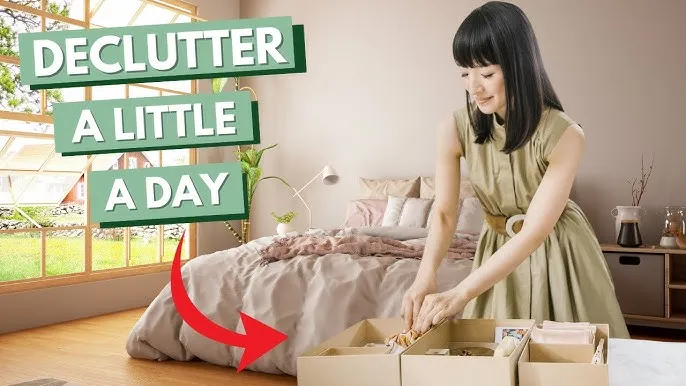
Action: Don't try to declutter your entire home at once. Start with a small, manageable area like a single drawer, a shelf, or your closet. Use the "Does this add value/joy/purpose?" question for each item.
-
Why: Prevents overwhelm and provides a quick win, building momentum. This is the first step in creating a minimalist home.
-
-
Adopt a "One In, One Out" Rule (or "Two Out"):
-
Action: For every new item you bring into your home, commit to getting rid of at least one (or two!) similar items.
-
Why: Prevents re-accumulation of clutter as you simplify.
-
-
Question Your Purchases Intentionally:
-
Action: Before buying anything new, pause and ask yourself: "Do I truly need this? Does it serve a specific purpose? Does it align with my values? Do I already own something similar? Can I borrow or rent this?"
-
Why: Shifts from impulsive buying to intentional living vs cost-cutting (though it also saves money!).
-
-
Prioritize Experiences Over Possessions:
-
Action: Consciously allocate more of your discretionary budget towards experiences (travel, classes, concerts, quality time with loved ones) rather than material goods.
-
Why: Experiences often provide more lasting joy and memories than physical items. This is a core minimalist mindset.
-
-
Curate Your Digital Life:
-
Action: Declutter your digital space: unsubscribe from unnecessary emails, delete unused apps, organize your files, limit social media consumption.
-
Why: Digital clutter can be as overwhelming as physical clutter, affecting mental clarity.
-
-
Focus on Quality Over Quantity (for Essentials):
-
Action: For items you truly need, consider investing in higher-quality versions that will last longer and serve you better, even if they cost more upfront.
-
Why: Reduces replacement frequency, often provides better functionality, and means owning fewer, more cherished items.
-
-
Practice Gratitude for What You Have:
-
Action: Regularly reflect on and appreciate the items you own and the experiences you have.
-
Why: Counteracts the constant desire for more and fosters contentment.
-
Starting either path, or a blend of both (a frugal minimalism lifestyle), is a gradual process. Don't aim for perfection overnight. Choose a few steps that resonate with you, implement them consistently, and observe the positive changes in your finances, your space, and your peace of mind.
Frugal Living vs. Minimalism: It's Your Journey, Your Rules

?)
We've journeyed through the fascinating landscape of frugal living vs minimalism, uncovering their distinct motivations, shared outcomes, and unique benefits. It's clear now that while a frugal lifestyle vs minimalist lifestyle might look similar on the surface (less stuff, more savings!), their fundamental drivers are quite different. Frugality is a masterclass in financial efficiency, meticulously designed to save money vs simplify life primarily through cost-cutting. Minimalism, on the other hand, is a profound philosophy of intentional living vs cost-cutting, aiming to remove excess to amplify what truly matters.
So, which lifestyle is more sustainable—minimalist or frugal? When practiced thoughtfully, both offer immense benefits for your finances, your mental well-being, and even the planet. A frugal minimalism lifestyle often represents the sweet spot, combining the intentionality of owning only what adds value with the savvy of making smart, cost-effective choices for those valued items.
Remember, this isn't about rigid rules or comparing yourself to others. It's about finding what works for you. Whether you're driven by the sheer power of financial freedom, the liberating clarity of owning less, or a desire for a life that feels both abundant and unburdened, the principles we've discussed offer a powerful roadmap.
The journey to living more consciously, whether through frugal living hacks or embracing a minimalist financial habits, begins with a single step. Start small, be consistent, and observe how your choices ripple outwards, transforming not just your wallet and your home, but your entire relationship with consumption and contentment. The power to create a life that truly aligns with your values is now in your hands.
Maybe you are interested:

Cryptocurrency vs Stocks: Which Is the Better Investment in 2025?

Passive Income vs Active Income: Which One Builds Long-Term Wealth Smarter?
More Like This


How to Improve Your Life: A Complete Guide to Personal Growth
by Emily Cooper
Why is sleep important? What do you need to know about sleep?
by Emily Cooper