Ever felt that unsettling tug-of-war in your mind when it comes to safeguarding your finances? On one side, you hear the wise whispers about needing a robust emergency fund. On the other, the siren song of various insurance policies calls out for your attention and hard-earned cash. It's the classic dilemma: emergency fund vs insurance. Which financial shield should you prioritize first in your quest for peace of mind?
For many, especially those just starting their financial journey, it feels like a chicken-and-egg scenario. Do you squirrel away every spare penny for that unexpected car repair or medical bill? Or do you immediately sign up for health insurance, life insurance, or disability coverage, hoping to prevent financial disaster from striking? The truth is, both are absolutely vital components of a solid financial safety net options, but understanding their distinct roles is key to building a truly resilient financial foundation.
As someone who's spent years dissecting personal finance strategies, I can tell you there's no single "right" answer for everyone, every time. However, there's a widely accepted sequence that savvy financial planners often recommend. This blog will walk you through the nuances of emergency savings vs insurance, clarify the difference between emergency fund and insurance, and provide practical insights on building a financial foundation that protects you from life's curveballs.
So, if you're ready to stop guessing and start strategizing, let's dive deep into this essential financial debate. We'll explore the importance of both, helping you determine should I build an emergency fund or get insurance first so you can confidently face whatever tomorrow brings.
1. Should I build an emergency fund or buy insurance first?
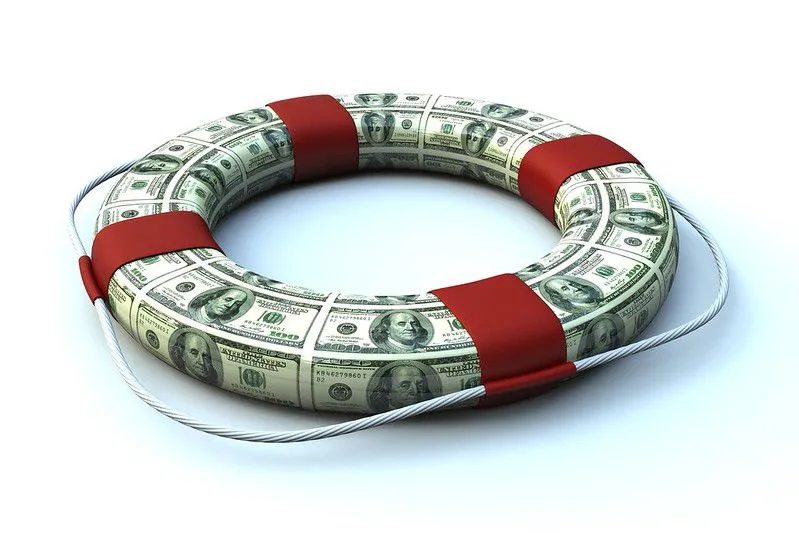


This is arguably the most common and critical question for anyone beginning their journey to financial security: Should I build an emergency fund or buy insurance first? While both are non-negotiable for a robust financial safety net options, most financial experts agree on a specific order of operations.
The general consensus leans towards building a foundational emergency fund first, even if it's a small one, particularly for immediate, smaller emergencies.
Here's the rationale:
Why an Emergency Fund Often Comes First (or at least simultaneously for the basics):
An emergency fund is your immediate, liquid cash reserve for unexpected, smaller financial bumps in the road that insurance typically wouldn't cover or for which the deductible is too high. Think of it as your first line of defense.
-
Covers Deductibles: Even if you have insurance, most policies come with deductibles (the amount you pay out-of-pocket before your insurance kicks in). An emergency fund ensures you can cover these deductibles for health, auto, or home insurance claims. Without it, your insurance policy might be useless when you need it most. This speaks to the difference between emergency fund and insurance in a practical sense.
-
Handles Non-Insured Emergencies: Life throws curveballs that aren't insurable. A sudden job loss, an unexpected car repair, a leaky roof (that's not catastrophic enough for an insurance claim, or has a deductible higher than the repair cost), or an unplanned trip for a family emergency. An emergency fund is designed precisely for these scenarios.
-
Provides Immediate Liquidity: Cash is king in an emergency. You don't have to wait for an insurance claim to be processed or for a loan to be approved. Your emergency fund is instantly accessible.
-
Reduces Debt Reliance: Without an emergency fund, unexpected expenses often lead to high-interest credit card debt, spiraling you backward financially. An emergency fund keeps you out of this debt trap.
Why Insurance is Crucial (and should follow closely, or be a baseline):
While the emergency fund covers smaller, more frequent emergencies, insurance protects you from catastrophic, high-impact financial disasters that would otherwise wipe out any emergency fund you could reasonably build.
-
Protects Against Catastrophic Loss: Imagine a major illness, a severe car accident, a house fire, or losing your primary income source due to disability or death. No realistic emergency fund, unless you're a multi-millionaire, could cover these costs. Insurance is specifically designed to transfer these massive risks away from you. This speaks to the crucial role of income protection planning.
-
Affordability of Premiums: While premiums add to your monthly expenses, they are a predictable, relatively small cost compared to the potential financial devastation they prevent.
-
Specific Coverage: Different types of insurance (health, auto, home, disability, life) protect against very specific, high-cost events that an emergency fund simply isn't equipped to handle.
The Recommended Approach (The "Layered" Strategy):
Most experts recommend a layered approach to building a financial foundation:
-
Baseline Insurance: Secure essential, baseline insurance coverage immediately. This typically includes:
-
Health Insurance: Even a high-deductible plan to protect against catastrophic medical bills. This addresses is health insurance more important than an emergency fund?
-
Auto Insurance: Legally required in most places, protects against accident costs.
-
Renter's/Homeowner's Insurance: Protects your belongings and liability.
-
-
Starter Emergency Fund: Aim for a "starter" emergency fund of $1,000 to $2,000. This covers small emergencies and deductibles.
-
Full Emergency Fund: Once the baseline insurance and starter fund are in place, aggressively build your full emergency fund (3-6 months of living expenses, or more if self-employed/unstable income).
-
Additional Insurance: As your financial situation stabilizes and you have dependents, consider additional insurance like disability insurance (critical for income protection planning), and life insurance.
So, should I build an emergency fund or buy insurance first? Prioritize getting basic, catastrophic insurance in place while simultaneously working on a small starter emergency fund. Once those are established, your focus should shift heavily towards fully funding your emergency savings, before layering on more comprehensive insurance policies. This is the bedrock of best financial protection strategies.
2. What’s the difference between an emergency fund and insurance?


Understanding the fundamental difference between emergency fund and insurance is absolutely crucial for effective personal finance. While both serve as vital components of your financial safety net options, they operate in distinct ways and protect against different types of financial shocks. They are not interchangeable but rather complementary tools.
Let's break down these two essential concepts:
Emergency Fund (Self-Funded Safety Net):
-
Definition: An emergency fund is a pool of readily accessible cash that you've saved specifically for unexpected expenses or income loss. It's your money, sitting in a liquid account (like a high-yield savings account) that you can access immediately.
-
Purpose:
-
Covers smaller, more frequent, and often uninsurable emergencies: Think car repairs, unexpected home repairs (that don't meet an insurance deductible or criteria), a sudden job loss (covering living expenses for months), a large medical bill below your deductible, or an emergency trip.
-
Provides immediate liquidity: You don't need to file a claim, wait for approval, or prove anything. The money is there when you need it.
-
Covers deductibles and gaps: Even with insurance, an emergency fund is critical for covering the deductible before your insurance kicks in, or for expenses that are partially covered or outside the policy's scope.
-
-
How it Works: You actively save and accumulate this cash yourself, typically targeting 3-6 months (or more) of essential living expenses. When an emergency strikes, you draw from this fund.
-
Cost: The "cost" is the opportunity cost of having money in a low-interest savings account instead of invested for higher returns.
-
Limitations: It's finite. If the emergency is catastrophic (e.g., a major illness costing hundreds of thousands, a house burning down, or a permanent disability leading to long-term income loss), even a well-funded emergency fund would likely be depleted quickly.
Insurance (Risk Transfer Mechanism):
-
Definition: Insurance is a contract where you (the policyholder) pay regular, smaller amounts (premiums) to an insurance company, and in return, the company promises to pay a larger sum of money or provide services if a specific, covered event occurs. You're essentially transferring the financial risk of a major loss to the insurance company.
-
Purpose:
-
Protects against catastrophic, high-cost, low-probability events: Think major medical crises, severe car accidents, house fires, lawsuits, long-term disability, or death. These are events that would financially devastate most individuals or families.
-
Provides specific coverage: Each type of insurance (health, auto, home, disability, life, etc.) covers defined risks as outlined in the policy.
-
Leverage: For a relatively small, regular premium, you gain protection against losses that could amount to hundreds of thousands or even millions of dollars.
-
-
How it Works: You pay premiums consistently. If a covered event happens, you file a claim, and if approved, the insurance company pays out according to your policy's terms.
-
Cost: Monthly or annual premiums.
-
Limitations:
-
Deductibles and Co-pays: You still often pay an initial amount (deductible) or a percentage (co-pay) before insurance fully kicks in.
-
Claims Process: There's a claims process, which can take time, and coverage is only for covered events.
-
No immediate cash for non-covered events: It won't pay for a sudden job loss or an unexpected trip to see a sick relative.
-
Analogy:
-
Emergency Fund: Your personal fire extinguisher for small fires and sparks.
-
Insurance: The city fire department that responds to raging infernos.
You wouldn't rely on a fire extinguisher to put out a burning building, and you wouldn't call the fire department for a spark on your stove. Both serve crucial, distinct roles. The combination of both creates truly comprehensive best financial protection strategies.
3. Can I skip insurance if I have an emergency fund?


This is a dangerous misconception that can lead to financial ruin: Can I skip insurance if I have an emergency fund? The unequivocal answer is no, absolutely not. While an emergency fund is critical, it is fundamentally different from insurance and cannot replace the protection insurance provides against catastrophic financial events. This highlights a key misunderstanding of the difference between emergency fund and insurance.
Here’s why skipping insurance, even with a robust emergency fund, is a huge mistake:
-
The Scale of Catastrophe:
-
Emergency Fund Limit: How much can you realistically save in an emergency fund? For most, it's 3-6 months of living expenses, perhaps up to a year. This might be $10,000 to $50,000, maybe $100,000 for high-earners.
-
Insurance Protection: Major medical emergencies can rack up bills of hundreds of thousands to millions of dollars. A house fire could cost hundreds of thousands to rebuild. A severe car accident resulting in injuries to others could lead to multi-million dollar lawsuits. A long-term disability could mean losing hundreds of thousands or even millions in lifetime income. No emergency fund, no matter how large for the average person, can realistically cover these sums. Insurance transfers this multi-million dollar risk for a relatively small premium.
-
-
Specific Risk Coverage:
-
Emergency Fund: It's a general pool of cash. It doesn't specifically address the unique and massive financial impacts of specific insurable events.
-
Insurance: Each type of insurance is designed to protect against a very particular, high-cost risk.
-
Health Insurance: Protects against crushing medical debt. Is health insurance more important than an emergency fund? Yes, for catastrophic medical events, it absolutely is.
-
Auto Insurance: Covers damages and liability in accidents, which can quickly exceed even a large emergency fund.
-
Homeowners/Renters Insurance: Protects your largest asset (or your belongings) from fire, theft, natural disasters, and liability lawsuits.
-
Disability Insurance: Replaces a portion of your income if you can't work due to illness or injury. This is crucial for income protection planning.
-
Life Insurance: Provides a financial safety net for your dependents if you pass away.
-
-
-
Liquidity for Other Emergencies:
-
Emergency Fund Purpose: Your emergency fund is meant for a range of unexpected events, not just one specific type.
-
Risk of Depletion: If you rely solely on your emergency fund for a catastrophic event that insurance should cover, it would be instantly wiped out. Then, what happens if your car breaks down a week later, or you lose your job? You'd be left with no buffer at all, forcing you into debt.
-
-
Legal Requirements:
-
Mandatory Coverage: Many types of insurance are legally required (e.g., auto insurance in most states, homeowners insurance if you have a mortgage). Skipping these isn't an option.
-
-
Peace of Mind:
-
The Unquantifiable Benefit: Knowing that you're protected from major financial disasters by insurance, and that you have a cash buffer for smaller ones, provides immense peace of mind. This psychological benefit is a core aspect of personal finance essentials.
-
In essence, an emergency fund and insurance are two distinct, equally vital layers of your best financial protection strategies. An emergency fund handles the small to medium-sized unexpected costs, keeping you out of debt. Insurance protects you from the truly life-altering, financially ruinous events that no typical emergency fund could ever withstand. Never skip one for the other; they work in tandem to build a truly robust financial safety net options.
4. How much should I save in an emergency fund before getting insurance?


The question of how much should I save in an emergency fund before getting insurance? often implies a strict sequential order. While building a substantial emergency fund is crucial, it's rarely recommended to forgo all insurance until that fund is fully stocked. Instead, a more balanced approach focusing on prioritization is key for building a financial foundation.
Here's the generally accepted strategy:
Phase 1: Baseline Insurance + Starter Emergency Fund (Simultaneous Priority)
Before you focus on fully funding a large emergency fund, you should ensure you have basic, catastrophic insurance in place. At the same time, aim to build a small, easily achievable starter emergency fund.
-
Essential Insurance First:
-
Health Insurance: This is often the most critical. A single major medical event can lead to bills in the tens or hundreds of thousands. Even a high-deductible health plan (HDHP) or catastrophic plan is better than nothing. Is health insurance more important than an emergency fund? For catastrophic medical events, yes, it prevents bankruptcy.
-
Auto Insurance: Legally required in almost all states, it protects you from huge liability costs if you cause an accident and covers damages to your car (if you have collision/comprehensive).
-
Renter's/Homeowner's Insurance: Protects your belongings and provides liability coverage if someone is injured on your property. If you have a mortgage, homeowners insurance is mandatory.
-
-
Starter Emergency Fund Goal: $1,000 to $2,000.
-
This initial amount is designed to cover smaller, common emergencies that might pop up (e.g., car repair deductible, minor medical co-pay, small appliance repair) without resorting to credit cards. It acts as a bridge for your immediate needs while you pursue broader coverage.
-
Rationale for Phase 1: You are most vulnerable to financial devastation from catastrophic events (like a major illness or car accident) that occur before you've had time to build a large emergency fund. Basic insurance acts as a critical safety net against these while you save. The starter fund ensures you can handle the smaller bumps without going into debt, or cover deductibles for the new insurance.
Phase 2: Fully Fund Your Emergency Fund (Aggressive Saving)
Once your baseline insurance and starter fund are in place, your next aggressive financial goal should be to fully fund your emergency savings.
-
How Much to Save: The widely recommended amount is 3 to 6 months of essential living expenses.
-
3 months: Good for individuals with stable jobs, a secondary income source, or in a highly in-demand field.
-
6 months: Recommended for most people, especially those with dependents, single-income households, or less job security.
-
9-12+ months: Advisable for freelancers, self-employed individuals, those in volatile industries, or those who anticipate a major life change (e.g., having a baby, career change). This provides ultimate income protection planning.
-
-
Where to Keep It: In a separate, easily accessible, high-yield savings account. It should not be invested in the stock market, as you need the principal to be secure and liquid.
Rationale for Phase 2: This larger fund provides a substantial buffer for job loss, significant non-insurable expenses, or covering higher deductibles on your existing insurance. It solidifies your financial safety net options.
Phase 3: Additional Insurance & Long-Term Financial Planning
With a fully funded emergency fund and baseline insurance, you can then consider additional insurance types and focus on investing for long-term goals.
-
Disability Insurance: Crucial for replacing income if you become unable to work due to illness or injury.
-
Life Insurance: Essential if you have dependents who rely on your income.
-
Long-Term Care Insurance: For later in life, to cover nursing home or in-home care costs.
In summary, for how much should I save in an emergency fund before getting insurance? The answer is: get essential insurance (health, auto, home/renter's) first, while simultaneously saving a starter fund ($1,000-$2,000). Once those immediate protections are in place, make fully funding your 3-6 month emergency fund your next top priority. This sequence provides the most robust best financial protection strategies for all types of emergencies.
5. Why do financial experts recommend having both?


The seemingly constant advice from financial experts to have both a robust emergency fund vs insurance can feel like a double burden for many. However, they aren't just being overly cautious; they recommend having both because they address fundamentally different types of financial risk and, together, form a truly comprehensive financial safety net options. This is the core reason why they are essential personal finance essentials.
Here’s why financial experts insist on the importance of both:
-
They Cover Different Scales of Risk:
-
Emergency Fund (Small-to-Medium Scope): Designed for common, predictable, and manageable financial disruptions that don't involve a catastrophic event. Think a broken water heater, a sudden car repair, a flight for a family emergency, or covering a few weeks or months of expenses during a job search. These events, while impactful, are typically within the realm of a few thousand to tens of thousands of dollars.
-
Insurance (Catastrophic Scope): Designed for rare, unpredictable, and financially devastating events that could easily cost hundreds of thousands or even millions of dollars. Examples include a major health crisis (cancer, heart attack), a severe car accident with significant property damage or injuries, a house fire that requires rebuilding, long-term disability, or premature death. No typical emergency fund can withstand these financial tidal waves.
-
-
Liquidity vs. Leverage:
-
Emergency Fund (Liquidity): Provides immediate access to cash without any claims process. It's your money, always there for quick deployment.
-
Insurance (Leverage): For a relatively small, regular premium (a form of short-term spending vs long-term investing for financial security), you gain access to a massive payout or service from the insurance company if a covered event occurs. You're leveraging a small payment to protect against a huge potential loss. This is key to income protection planning for major events.
-
-
Filling the Gaps and Deductibles:
-
Insurance's Gaps: Almost all insurance policies have deductibles (the amount you pay before coverage kicks in), co-pays, and limitations.
-
Emergency Fund's Role: Your emergency fund is perfectly positioned to cover these immediate out-of-pocket costs associated with an insured event. For example, if you have a $5,000 health insurance deductible and break your leg, your emergency fund pays the deductible, and your insurance covers the rest of the $50,000 bill. Without the fund, that deductible could force you into debt. This shows the practical difference between emergency fund and insurance.
-
-
Protecting Your Emergency Fund:
-
Without Insurance: A major disaster would decimate your carefully built emergency fund in an instant, leaving you financially vulnerable for subsequent, smaller emergencies.
-
With Insurance: Insurance steps in for the big stuff, leaving your emergency fund intact for its intended purpose – smaller, more frequent, and non-insurable events. This prevents a domino effect of financial distress.
-
-
Peace of Mind and Reduced Stress:
-
Comprehensive Protection: Knowing you have both a cash cushion for everyday surprises and robust coverage for worst-case scenarios provides immense psychological comfort. This significantly reduces financial anxiety and allows you to focus on other aspects of life without constant worry about potential financial ruin. This peace of mind is a cornerstone of building a financial foundation.
-
-
Optimizing Financial Resources:
-
Smart Allocation: It's more efficient to pay manageable insurance premiums to transfer catastrophic risk than to try and save enough to self-insure against every single potential disaster, which is practically impossible for most. Your emergency fund can then be sized appropriately for its specific role. This represents the best financial protection strategies.
-
In essence, financial experts recommend having both an emergency fund vs insurance because they are symbiotic. An emergency fund provides the immediate, flexible liquidity for common financial shocks, while insurance acts as the ultimate safeguard against the rare, high-impact events that would otherwise obliterate your financial life. Together, they create a complete and resilient system for true financial security.
6. Is health insurance more important than an emergency fund?


This is a frequently asked and deeply personal question: Is health insurance more important than an emergency fund? For many, especially in countries without universal healthcare, the answer leans heavily towards yes, critical health insurance coverage is often more important than a fully funded emergency fund, particularly in the early stages of financial planning.
Here's why health insurance often takes precedence for catastrophic protection:
-
The Unfathomable Cost of Medical Emergencies:
-
Emergency Fund Limitations: A typical emergency fund (3-6 months of expenses, or $10,000-$50,000) simply cannot cover the cost of a major medical event. A single emergency room visit can cost thousands. A surgery, a prolonged hospital stay, cancer treatment, or a chronic illness can quickly run into hundreds of thousands, even millions, of dollars.
-
Insurance Protection: Health insurance is designed precisely to handle these astronomical costs, limiting your out-of-pocket exposure to your deductible, co-pays, and annual out-of-pocket maximum. It's the only realistic way to prevent medical bankruptcy for most individuals. This speaks volumes to when to buy insurance for this specific risk.
-
-
Speed of Financial Impact:
-
Medical Bills are Immediate and Relentless: Unlike a job loss, where you might have some time to react, a medical emergency can strike without warning, resulting in immediate, massive bills. These bills can quickly go to collections, severely damaging your credit score.
-
Emergency Fund Delays: While an emergency fund provides liquidity, if it's too small, it will be depleted instantly by a serious medical issue, leaving you without funds for subsequent living expenses or other emergencies.
-
-
Access to Care:
-
Insurance Gatekeeping: In many systems, health insurance is necessary not just for financial protection but also for accessing timely and quality medical care. Many specialists or hospitals may require proof of insurance before providing services or scheduling appointments.
-
Preventive Care: Insurance also covers preventive care (check-ups, screenings) which can identify health issues early, preventing more costly and severe problems down the line.
-
-
Long-Term Impact of Medical Debt:
-
Financial Devastation: Medical debt is a leading cause of bankruptcy in many countries. It can destroy credit, lead to wage garnishments, and haunt individuals for years, making it impossible to save for a home, retirement, or other financial goals.
-
Insurance Mitigation: Health insurance drastically reduces this risk, allowing you to recover financially without the crushing burden of debt.
-
The Nuance: Why You Still Need Both
While health insurance is paramount for catastrophic medical events, an emergency fund still plays a critical role even when you have excellent health insurance:
-
Deductibles and Out-of-Pocket Maximums: You'll need your emergency fund to cover your health insurance deductible and any co-pays or co-insurance until you hit your annual out-of-pocket maximum.
-
Non-Medical Emergencies: Your emergency fund is still vital for job loss, car repairs, home repairs, and other non-medical financial shocks that health insurance won't cover.
-
Lost Income: If a health issue prevents you from working, your emergency fund can cover living expenses during recovery, especially if you don't yet have disability insurance. This addresses income protection planning.
Conclusion for Priority:
For the question Is health insurance more important than an emergency fund?, most financial advisors would argue that getting basic, catastrophic health insurance coverage is a higher immediate priority than fully funding your entire emergency fund. You need a starter emergency fund to cover deductibles, but the sheer financial risk of a major health crisis is so immense that insurance is the primary defense. Once that baseline health coverage is secured, then aggressively building out your 3-6 month emergency fund becomes the next top priority to create a comprehensive financial safety net options.
7. What type of insurance should I prioritize early on?
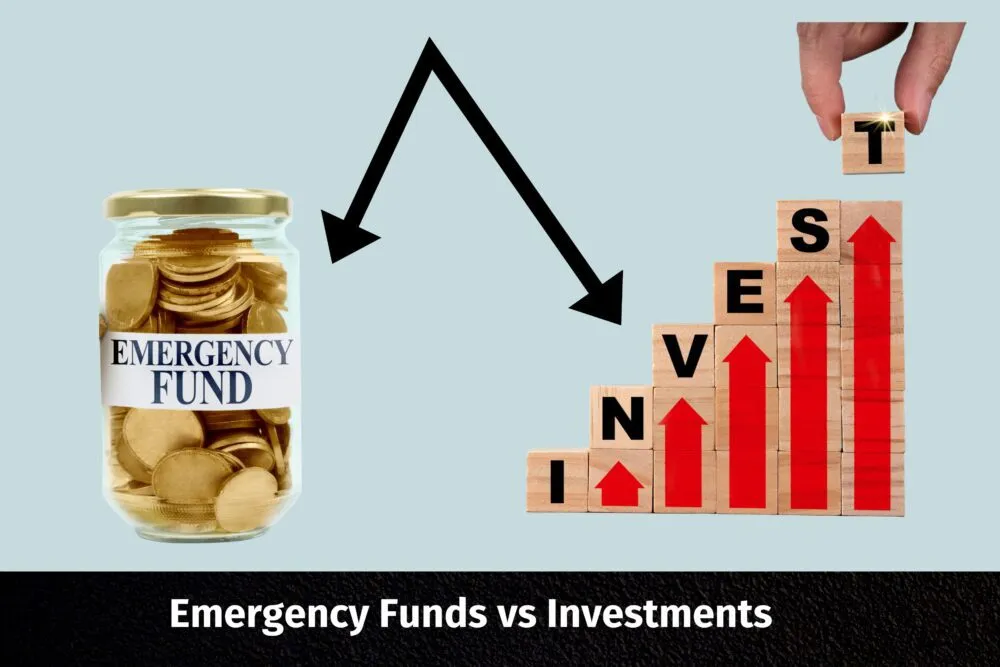

When you're first starting to build your financial safety net options, the world of insurance can feel overwhelming. There are so many types! So, what type of insurance should I prioritize early on? The answer hinges on protecting against the most common and financially devastating risks first. This is crucial for building a financial foundation effectively.
Here's the recommended hierarchy of insurance to prioritize early in your financial journey:
-
Health Insurance (Top Priority, Non-Negotiable):
-
Why: As discussed, medical emergencies are one of the leading causes of financial ruin. A broken bone, an unexpected appendectomy, or a serious illness can rack up bills far beyond what any typical emergency fund can handle. Even a high-deductible health plan (HDHP) or catastrophic plan is better than nothing, as it protects against the truly devastating costs.
-
Action: If you don't have it through an employer, explore options through the Affordable Care Act (ACA) marketplace, a spouse's plan, or student plans. This answers when to buy insurance for critical needs.
-
-
Auto Insurance (If You Own a Car):
-
Why: Legally required in almost all states. It protects you financially if you're involved in an accident. Without it, you could be personally liable for tens or hundreds of thousands of dollars in damages and medical bills if you injure someone or damage their property. It also covers repairs to your own vehicle if you have comprehensive and collision.
-
Action: Shop around for competitive rates and ensure you have adequate liability coverage.
-
-
Renters Insurance (If You Rent) or Homeowners Insurance (If You Own a Home):
-
Why:
-
Renters Insurance: Inexpensive but vital. It protects your personal belongings from theft, fire, or other perils. Crucially, it also provides liability coverage if someone is injured in your rented space. Your landlord's policy doesn't cover your stuff or your liability.
-
Homeowners Insurance: Mandatory if you have a mortgage. Protects your physical home structure, your belongings, and provides liability coverage. A house fire or major storm could otherwise wipe out your largest asset.
-
-
Action: Get a quote immediately. It's often much more affordable than people assume, especially renters insurance.
-
Once the above essentials are covered and you have a starter emergency fund, consider these next:
-
Disability Insurance (Especially if others rely on your income):
-
Why: Your ability to earn an income is your most valuable asset. What if you become sick or injured and can't work for an extended period (months or years)? Disability insurance replaces a portion of your income. You are far more likely to become disabled than to die prematurely. This is a critical component of income protection planning.
-
Action: Check if your employer offers short-term or long-term disability. If not, consider a private policy.
-
-
Term Life Insurance (If You Have Dependents):
-
Why: If you have a spouse, children, or anyone else who relies on your income, life insurance provides them with financial support if you pass away unexpectedly. This covers things like mortgage payments, college tuition, and daily living expenses.
-
Action: Opt for affordable "term" life insurance, which covers you for a specific period (e.g., 20 or 30 years). Avoid expensive "whole" or "universal" life policies early on.
-
What to Hold Off On (for later stages of financial security):
-
Whole/Universal Life Insurance: Often overly complex and expensive for beginners; better to "buy term and invest the difference."
-
Long-Term Care Insurance: More relevant for those in their 50s or 60s.
-
Identity Theft Insurance: While important, typically less financially devastating than the above core types.
By prioritizing these types of insurance in this order, you effectively address the most significant financial risks that could derail your progress, laying a strong foundation for your overall personal finance essentials and the development of best financial protection strategies.
8. How do emergency funds work in real financial emergencies?


An emergency fund isn't just a theoretical concept; it's a practical, real-world tool that comes to the rescue when life throws unexpected curveballs. To understand how do emergency funds work in real financial emergencies?, you need to grasp their role as an immediate, liquid buffer against unplanned expenses or income disruption, allowing you to maintain your financial stability. This is the key difference when considering emergency fund vs insurance for direct, rapid access.
Let's look at how an emergency fund functions in various common scenarios:
-
Job Loss:
-
The Emergency: You're suddenly laid off, and your regular income stops. Unemployment benefits might not be enough or kick in immediately.
-
How the Fund Works: Your emergency fund steps in to cover your essential living expenses (rent/mortgage, groceries, utilities, transportation, basic bills) for the duration of your job search. If you have 3-6 months saved, this gives you crucial breathing room, reducing stress and allowing you to find the right new job without desperately taking the first offer. It's vital for income protection planning during this specific period.
-
-
Unexpected Car Repair:
-
The Emergency: Your car breaks down, and you need a new transmission that costs $3,000. You need your car for work.
-
How the Fund Works: Instead of panicking, putting the repair on a high-interest credit card, or taking out a costly personal loan, you simply transfer $3,000 from your emergency fund to your checking account and pay for the repair in cash. You then focus on replenishing the fund. This avoids debt and interest payments. This is a perfect example of why emergency savings vs insurance (for auto) are complementary; the fund covers the deductible or non-insured repair.
-
-
Medical Bill (Below Deductible or Unexpected Co-pay):
-
The Emergency: You have health insurance, but you visit the ER for a sprained ankle, and the bill is $1,500, which is below your $2,500 deductible. Or you have a series of specialist visits with co-pays that add up quickly.
-
How the Fund Works: Your emergency fund covers that $1,500 out-of-pocket expense or the cumulative co-pays, allowing you to get the care you need without financial strain. If it were a catastrophic event (e.g., $50,000 surgery), your emergency fund would cover the deductible, and insurance would handle the rest. This shows the practical application of the difference between emergency fund and insurance.
-
-
Major Home Repair (Non-Insured):
-
The Emergency: Your water heater bursts, or your HVAC system needs an expensive replacement. These might not be covered by homeowners insurance or could be below a high deductible.
-
How the Fund Works: You use your emergency fund to pay for the repair or replacement, preventing a disruption to your living situation and avoiding the need to tap into your long-term savings or investments.
-
-
Family Emergency/Urgent Travel:
-
The Emergency: A family member falls ill unexpectedly in another state, and you need to book an expensive last-minute flight.
-
How the Fund Works: You immediately access the funds for travel and accommodation without worrying about how you'll afford it, or incurring high-interest credit card debt.
-
Key Principles of Emergency Fund Usage:
-
Dedicated Purpose: The fund is strictly for emergencies. It's not for vacations, new gadgets, or holiday shopping.
-
Liquidity: It must be easily accessible (e.g., in a separate savings account, not invested in volatile assets).
-
Replenishment: After using it, the priority shifts to replenishing the fund back to its target level.
-
Reduces Stress: Knowing it's there acts as a powerful psychological buffer, allowing you to respond to emergencies calmly rather than panicking about money.
In essence, an emergency fund works by providing immediate, friction-free access to cash when unforeseen financial challenges arise. It's the practical, frontline defender that prevents smaller crises from escalating into larger debts or derailing your broader financial goals. This makes it one of the core personal finance essentials.
9. What’s better for unexpected expenses—insurance or savings?


When facing the broad category of "unexpected expenses," the question What’s better for unexpected expenses—insurance or savings? often arises. The most accurate answer is that both are essential, but they excel at different types of unexpected expenses. It's not an either/or; it's a crucial understanding of the specific roles each plays in best financial protection strategies. This directly addresses the fundamental difference between emergency fund and insurance.
Let's break down which is "better" for what:
When Savings (Emergency Fund) is "Better":
Your emergency fund (savings) is superior for:
-
Smaller, More Frequent Unexpected Costs:
-
Examples: A car tire blowout ($150-$300), a minor appliance repair ($200-$500), a surprise veterinarian bill for your pet ($300-$1000), a necessary plumbing fix ($200-$800), or a slightly higher than expected utility bill.
-
Why Savings is Better: These amounts are typically below your insurance deductible (if insurable at all), or simply aren't covered by insurance. Using your emergency fund means you avoid taking on debt or dipping into long-term investments for relatively small, common financial bumps.
-
-
Income Loss/Job Loss:
-
Examples: Being laid off, a significant reduction in work hours, or taking time off for a personal or family crisis that's not covered by short-term disability insurance.
-
Why Savings is Better: An emergency fund is designed to cover your living expenses for a period when your primary income disappears. There's no "job loss insurance" for most people that provides a direct cash payout for general living expenses in the same way an emergency fund does. This is a vital component of income protection planning.
-
-
Insurance Deductibles and Co-pays:
-
Examples: The $1,000, $2,500, or even $5,000 deductible on your health insurance before the policy kicks in. The deductible on your auto or home insurance claim.
-
Why Savings is Better: Even with insurance, you need cash on hand to pay the initial out-of-pocket costs. If you don't have these funds, your insurance might be useless, and you'll be forced into debt even for an insured event.
-
-
Non-Insurable Emergencies:
-
Examples: An urgent, unplanned trip for a family emergency, a temporary unexpected childcare need, or even legal fees for something not covered by a specific policy.
-
Why Savings is Better: These are genuine emergencies, but they don't fall under any typical insurance policy. Your emergency fund provides the flexibility to handle them.
-
When Insurance is "Better":
Insurance is undeniably superior for:
-
Catastrophic, High-Cost Events:
-
Examples: A major illness or injury (cancer, heart attack, extensive surgery) leading to medical bills of hundreds of thousands to millions of dollars. A house fire that destroys your home. A severe car accident resulting in major property damage and injuries to multiple parties. A long-term disability that prevents you from working for years. Premature death leaving dependents without income.
-
Why Insurance is Better: No realistic emergency fund can cover these sums. Insurance transfers this enormous financial risk to a large company for a relatively small, predictable premium. Trying to self-insure against these events by saving enough cash is practically impossible for most people.
-
-
Liability Protection:
-
Examples: You cause a car accident and are sued for millions. Someone slips and falls on your property and sues you for damages.
-
Why Insurance is Better: Liability coverage within auto, home, or umbrella insurance policies protects your assets from devastating lawsuits. This is a risk that money in a savings account simply cannot mitigate once a claim is made against you.
-
-
Specific, Complex Risks:
-
Examples: Needing long-term nursing home care later in life, or the complex financial implications of a sudden death for dependents.
-
Why Insurance is Better: Specialized insurance policies (like Long-Term Care or Life Insurance) are designed to provide very specific, large-scale financial solutions for these complex scenarios that a general savings fund cannot address in the same comprehensive way.
-
The Conclusion:
What's better for unexpected expenses—insurance or savings? Neither is universally "better"; they are different tools for different types of problems. Your emergency fund handles the small to medium, common, and non-insurable shocks, while insurance handles the large, rare, and financially ruinous catastrophes. Both are personal finance essentials that work in tandem to create a truly resilient financial safety net options.
10. How can I balance saving for emergencies and paying for insurance premiums?


Balancing saving for emergencies and paying for insurance premiums is a common challenge, especially when you're working with a limited budget. It often feels like two hungry mouths demanding to be fed at the same time. However, finding this balance is critical for building a complete financial safety net options. This is about smart allocation of resources, not choosing one over the other in the long run.
Here's how you can effectively balance these two essential financial priorities:
-
Prioritize Basic, Catastrophic Insurance First:
-
Action: As discussed earlier, get health insurance (even a high-deductible plan), auto insurance (if you drive), and renters/homeowners insurance in place immediately. These are your baseline defenses against financial ruin. The premiums are generally manageable compared to the potential costs they prevent. This aligns with when to buy insurance for critical risks.
-
Rationale: The potential financial devastation from a major medical emergency, car accident, or house fire is so immense that no reasonable emergency fund can cover it. These insurance types transfer that colossal risk for a relatively small, predictable monthly cost.
-
-
Start a "Starter" Emergency Fund Simultaneously:
-
Action: While securing basic insurance, aim to save a smaller, more achievable emergency fund of $1,000 to $2,000. This fund can cover minor emergencies (car trouble, small appliance repair) or, crucially, your insurance deductibles if a covered event occurs.
-
Rationale: This initial fund acts as a bridge, ensuring you have some immediate liquidity and can actually use your insurance when needed. This is key to understanding the difference between emergency fund and insurance in practice.
-
-
Automate Both:
-
Action: Set up automatic transfers for your insurance premiums (if not already deducted from payroll) and for your emergency fund savings. Treat both as non-negotiable monthly expenses.
-
Rationale: "Pay yourself first" applies here. Automating these payments ensures you're consistently contributing to both protection strategies before you have a chance to spend the money elsewhere. This is a core personal finance essentials habit.
-
-
Budget Diligently to Find the "Balance" Funds:
-
Action: Create a detailed budget that tracks all your income and expenses. Look for areas where you can trim discretionary spending (e.g., dining out less, cutting unnecessary subscriptions, shopping smarter). The money "found" here should be directed towards either increasing your emergency fund or affording essential insurance premiums.
-
Rationale: A budget reveals where your money is actually going and empowers you to redirect it towards your financial security goals. This helps balance the emergency fund vs insurance dilemma by freeing up cash.
-
-
Shop Around for Insurance to Get the Best Rates:
-
Action: Don't just stick with the first quote. Get multiple quotes for all your insurance needs. Small differences in premiums can add up to significant savings over a year. Consider bundling policies (e.g., auto and home) for discounts.
-
Rationale: Lower premiums mean more money available to build your emergency fund without sacrificing coverage.
-
-
Increase Income (If Possible):
-
Action: If your budget is extremely tight, explore ways to increase your income, even temporarily. This could be a side hustle, taking on extra shifts, or negotiating a raise.
-
Rationale: More income provides more flexibility to fund both your emergency savings and insurance needs without feeling deprived. This contributes to your overall income protection planning.
-
-
Progressive Funding (Layering Strategy):
-
Action: Once basic insurance and a starter fund are in place, focus aggressively on building your full 3-6 month emergency fund. Once that's complete, then consider additional types of insurance (like disability or life insurance if you have dependents).
-
Rationale: This tiered approach ensures you're protected from the biggest risks first, then build up your liquid savings, and then layer on more specialized protections as your financial situation allows. This is the essence of building a financial foundation with both emergency fund and insurance importance.
-
Balancing saving for emergencies and paying for insurance premiums isn't about perfectly splitting every dollar 50/50. It's about a strategic, prioritized approach that tackles the most critical risks first, then builds your cash reserves, and continuously optimizes both components of your best financial protection strategies.
Emergency Fund vs. Insurance: Your Unbeatable Duo for Financial Security
So, we've navigated the often-confusing landscape of emergency fund vs insurance, dissecting their unique roles and dispelling the myth that one can replace the other. What's emerged isn't a victor in a head-to-head battle, but rather a powerful, symbiotic relationship. These aren't rivals; they're the ultimate tag team in your corner, ready to defend your financial well-being against life's unpredictable punches.
Remember, your emergency fund is your immediate, flexible cash buffer – your personal financial SWAT team for the unexpected car repair, the sudden job loss, or that higher-than-expected utility bill. It’s the essential liquid asset that prevents small inconveniences from spiraling into debilitating debt, proving its critical emergency fund and insurance importance in different capacities.
Meanwhile, insurance is your big guns, the ultimate risk transfer mechanism for the truly catastrophic events that no realistic emergency fund could ever withstand. Think life-altering medical bills, devastating house fires, or the profound financial void left by a sudden death or long-term disability. Understanding what type of insurance should I prioritize early on means safeguarding yourself against these life-shattering blows.
The journey to financial security isn't about finding a single magic bullet. It's about strategically layering your defenses. Start by covering your most critical, catastrophic risks with basic insurance (especially health!), while simultaneously building a starter emergency fund to cover deductibles and smaller bumps. Then, relentlessly work on fully funding that 3-6 month emergency cushion. Only then, with a solid financial foundation built, should you consider layering on more specialized insurance policies.
By understanding the difference between emergency fund and insurance and thoughtfully balancing saving for emergencies and paying for insurance premiums, you're not just managing money; you're building resilience. You're giving yourself the peace of mind to navigate life's inevitable storms, knowing you have both the personal resources and the professional backing to emerge financially intact. This dual approach is truly the best financial protection strategy you can adopt for yourself and your loved ones.
Maybe you are interested:
Credit Card vs Debit Card: Which Is the Smarter Choice for Your Wallet?

Renting vs Buying a Home: Which Option Truly Makes Financial Sense in 2025?
More Like This


How to Improve Your Life: A Complete Guide to Personal Growth
by Emily Cooper
Why is sleep important? What do you need to know about sleep?
by Emily Cooper