You feel pretty good about your choices. Then you stroll past the pharmacy aisle, and suddenly, a rainbow of bottles catches your eye. Vitamin C, B complex, Omega-3, Magnesium... so many options, each promising to fill a nutritional gap or supercharge your health. A little voice whispers, "Am I missing out if I just stick to food?"
It's a common dilemma, isn't it? The age-old debate of whole foods vs. supplements has never been more relevant. In a world saturated with quick fixes and health hacks, it's easy to wonder if popping a pill can truly replace the goodness of nature's bounty. Is it truly better to get nutrients from food or supplements? Or do we need both?
In this comprehensive guide, we're going to dive deep into this fascinating topic. We'll explore the undeniable benefits of whole food nutrition, shed light on the pros and cons of supplements, and help you understand the real truth about natural vs. synthetic nutrients. By the end, you'll have a clear picture of where you should truly be getting your vitamins, minerals, and all those amazing compounds that keep you thriving. Let's get to the bottom of the diet vs. supplements for nutrition debate!
1. What is the difference between whole foods and supplements?
To truly understand the core of the whole foods vs. supplements debate, we first need to clarify their fundamental differences. It's not just about solid food versus a pill; it's about the intricate composition and how our bodies interact with each.
Whole Foods:
When we talk about whole foods, we're referring to foods that are as close to their natural state as possible, minimally processed, and free from added sugars, unhealthy fats, and artificial ingredients. Think of what comes directly from the earth, grows on trees, or runs in fields.
-
Complex Matrix: The defining characteristic of whole foods is their complex matrix of nutrients. This isn't just about individual vitamins and minerals; it's about the synergistic interplay of:
-
Macronutrients: Carbohydrates, proteins, and fats, which provide energy and building blocks for the body.
-
Micronutrients: Vitamins (like Vitamin C, B vitamins, Vitamin A) and minerals (like iron, calcium, magnesium, zinc) that are essential for countless bodily functions.
-
Phytonutrients/Phytochemicals: Thousands of unique plant compounds (like antioxidants, flavonoids, carotenoids) that give plants their color, flavor, and protective properties. These aren't classified as vitamins or minerals but are powerfully health-promoting.
-
Fiber: Essential for digestive health, blood sugar regulation, and satiety.
-
Water: Vital for hydration and all bodily processes.
-
-
Synergy: The nutrients in whole foods work together in a complex, harmonious way. This is known as nutrient synergy, where the presence of one compound helps the absorption or function of another (e.g., Vitamin C aiding iron absorption).
-
Examples: Fresh fruits, vegetables, whole grains (like quinoa, brown rice, oats), legumes (beans, lentils), nuts, seeds, lean meats, fish, eggs, and plain dairy.
-
People Also Ask: What is the difference between whole foods and supplements? Whole foods are unprocessed or minimally processed foods that contain a complex matrix of macronutrients, micronutrients, fiber, water, and thousands of phytonutrients working synergistically; supplements are isolated, concentrated doses of specific nutrients in pill, powder, or liquid form.
-
Supplements:
Supplements, on the other hand, are products designed to "supplement" the diet by providing concentrated doses of specific nutrients or other health-enhancing compounds. They come in various forms like pills, capsules, powders, and liquids.
-
Isolated Nutrients: Unlike whole foods, supplements typically contain isolated vitamins, minerals, herbs, amino acids, or other substances. For example, a Vitamin C supplement provides just Vitamin C, not the array of bioflavonoids found in an orange. This is the core difference in whole foods vs. vitamins as a source.
-
Concentrated Doses: They often deliver nutrients in much higher concentrations than what would naturally be found in a single serving of food.
-
Forms: Nutrients in supplements can be either natural vs. synthetic nutrients. Synthetic nutrients are chemically identical to natural ones but are manufactured in a lab, while natural nutrients are derived directly from food sources.
-
Regulation: The supplement industry is regulated differently from the food and drug industries. In many countries, supplements do not undergo the same rigorous testing for safety and efficacy as pharmaceutical drugs before they are sold. This is an important consideration when evaluating the pros and cons of supplements and their health risks of supplements.
In essence, whole foods offer a complete nutritional package, a symphony of compounds working together, while supplements provide specific, isolated notes. This fundamental difference between whole foods and supplements sets the stage for understanding their respective roles in our health.
2. Is it better to get nutrients from food or supplements?
The definitive answer to is it better to get nutrients from food or supplements? is almost universally: FOOD. For the vast majority of people and in most circumstances, obtaining nutrients from whole foods is superior and more beneficial for overall health. This forms the bedrock of the diet vs. supplements for nutrition debate.
Here's why is food better than supplements in most cases:
-
Nutrient Synergy and Bioavailability:
-
The "Entourage Effect": Whole foods contain a vast array of vitamins, minerals, fiber, water, and thousands of phytonutrients that work synergistically. These compounds interact in complex ways, enhancing each other's absorption, utilization, and protective effects in the body. For instance, the fat in avocado helps you absorb fat-soluble vitamins (A, D, E, K) from a salad. This is the essence of absorption of nutrients from food.
-
Enhanced Absorption: Nutrients from food are generally more bioavailable, meaning your body can absorb and utilize them more effectively. The natural forms and accompanying compounds in food facilitate this process.
-
People Also Ask: Is it better to get nutrients from food or supplements? It is generally better to get nutrients from food due to the complex synergy of compounds, better bioavailability, presence of fiber, and the absence of risks associated with high, isolated doses found in supplements.
-
-
Fiber Content:
-
Whole foods, especially fruits, vegetables, whole grains, and legumes, are rich in fiber. Fiber is crucial for digestive health, regulating blood sugar, promoting satiety, and feeding beneficial gut bacteria. Supplements, even whole food multivitamins (unless specifically formulated with significant fiber), often lack this critical component.
-
-
Phytonutrients and Antioxidants:
-
Beyond vitamins and minerals, whole foods are packed with thousands of phytonutrients and antioxidants. These compounds play vital roles in protecting cells from damage, reducing inflammation, and lowering the risk of chronic diseases. Supplements typically only contain a select few, if any, of these powerful compounds. This is a major aspect of the benefits of whole food nutrition.
-
-
Satiety and Calorie Management:
-
Whole foods provide bulk and contribute to feelings of fullness, helping with weight management. Supplements, being concentrated, offer little to no satiety, and taking them doesn't replace the satisfaction of eating a meal.
-
-
Reduced Risk of Toxicity and Imbalance:
-
It's nearly impossible to over-consume nutrients to toxic levels from whole foods. Your body has natural mechanisms to regulate intake.
-
With supplements, especially high-dose, isolated nutrients, there's a real risk of toxicity (e.g., excessive Vitamin A, iron) or creating nutrient imbalances (e.g., very high zinc intake can reduce copper absorption). This is a significant health risks of supplements concern.
-
-
Cost-Effectiveness:
-
While individual supplements can seem affordable, building a comprehensive supplement regimen can quickly become very expensive. Eating a varied diet of whole foods is often more cost-effective in the long run.
-
In summary, is food better than supplements? Absolutely, for the foundation of your nutritional intake. Whole foods offer a complete, synergistic, and safe package that supplements simply cannot replicate. Supplements play a role, but it's typically a supporting one, not a primary replacement for a balanced diet. This highlights why the best source of vitamins and minerals is unequivocally found in diverse, unprocessed foods.
3. Can supplements replace a healthy diet?
The straightforward answer to Can supplements replace a healthy diet? is a resounding NO, absolutely not. This is perhaps the most dangerous gluten-free myth and one of the most critical points to understand in the whole foods vs. supplements debate. Supplements are precisely what their name implies: supplements to a diet, not replacements for it.
Here's why relying on supplements to replace whole foods is a misguided and potentially harmful strategy:
-
Missing the "Full Package":
-
As we discussed, whole foods provide a complex matrix of macronutrients (carbs, protein, fats), micronutrients (vitamins, minerals), fiber, water, and thousands of phytonutrients. Supplements deliver only isolated or a limited range of these compounds.
-
You cannot put a slice of whole-wheat bread, an apple, a handful of spinach, and a piece of salmon into a pill. The sheer complexity and synergy of whole foods cannot be replicated in a bottle, even with whole food multivitamins.
-
People Also Ask: Can supplements replace a healthy diet? No, supplements cannot replace a healthy diet. They lack the complex synergy of nutrients, fiber, water, and thousands of beneficial phytonutrients found in whole foods, and relying on them exclusively carries risks of nutrient imbalances or deficiencies.
-
-
No Fiber:
-
Supplements provide virtually no dietary fiber. Fiber is crucial for digestive health, blood sugar regulation, satiety, and preventing chronic diseases. A diet solely of supplements would lead to severe constipation and negatively impact gut microbiota.
-
-
Lack of Phytonutrients:
-
Whole fruits, vegetables, and other plant foods contain thousands of unique phytonutrients (antioxidants, flavonoids, etc.) that have powerful health benefits, often working synergistically with vitamins and minerals. Most supplements contain only a handful of these, if any. The research on these compounds is vast and constantly evolving, demonstrating why is food better than supplements.
-
-
Energy and Building Blocks:
-
Supplements provide no calories or macronutrients. You cannot build muscle, provide energy for daily activities, or sustain bodily functions on supplements alone. You still need carbohydrates, proteins, and fats, which are primarily obtained from whole foods.
-
-
Risk of Imbalance and Toxicity:
-
When you isolate nutrients and take them in high doses, you run the risk of creating nutrient imbalances (where an excess of one nutrient interferes with the absorption or function of another) or even toxicity. For example, excessive iron or Vitamin A can be harmful. Whole foods naturally regulate this intake, making absorption of nutrients from food safer. This is a critical point when considering health risks of supplements.
-
-
The "Magic Pill" Mentality:
-
Relying on supplements can foster a "magic pill" mentality, leading individuals to believe they can compensate for a poor diet. This can discourage healthy eating habits, exercise, and other lifestyle factors that are far more impactful on long-term health.
-
In conclusion, the answer to are supplements necessary as a replacement for food is a resounding no. A foundational diet rich in diverse whole foods is paramount for optimal health. Supplements, at best, can fill specific gaps or provide targeted support under certain circumstances, but they should never be viewed as a shortcut or substitute for the comprehensive nutrition derived from actual food. The true best source of vitamins and minerals will always be your plate.
4. Are whole foods more bioavailable than supplements?
Are whole foods more bioavailable than supplements? Generally, yes, whole foods are often more bioavailable than supplements. Bioavailability refers to the proportion of a nutrient that is absorbed from the diet and used for normal bodily functions. When it comes to whole foods vs. supplements, the complex matrix of whole foods plays a crucial role in optimizing how our bodies absorb and utilize nutrients.
Here's why absorption of nutrients from food tends to be superior:
-
Nutrient Synergy and Facilitators:
-
Whole foods contain a natural "package" of nutrients, including vitamins, minerals, fats, and other compounds that work together. Often, the presence of one nutrient enhances the absorption of another. For example:
-
Vitamin C and Iron: Vitamin C found in fruits and vegetables significantly enhances the absorption of non-heme iron (plant-based iron) from foods like spinach or lentils.
-
Fat-Soluble Vitamins: Vitamins A, D, E, and K are fat-soluble. When you eat foods containing these vitamins (e.g., carrots with Vitamin A, spinach with Vitamin K), the natural fats present in the food (or consumed alongside it, like olive oil on a salad) facilitate their absorption.
-
-
Supplements, on the other hand, often provide nutrients in isolation, lacking these natural facilitators. While some supplements combine nutrients (like iron with Vitamin C), it's still not the complete synergy found in food.
-
People Also Ask: Are whole foods more bioavailable than supplements? Yes, whole foods are generally more bioavailable due to the natural synergy of nutrients and the presence of other food components (like fats or specific enzymes) that enhance absorption, a complexity often lacking in isolated supplement forms.
-
-
Optimal Forms of Nutrients:
-
Nutrients in whole foods exist in their most natural and often most absorbable forms. Our bodies have evolved over millennia to efficiently extract and utilize nutrients from food.
-
Supplements can come in various chemical forms (e.g., different forms of magnesium, iron, or Vitamin B12). While many synthetic forms are designed to be bioavailable, they might not always match the body's natural preference as perfectly as food-derived nutrients. This is a key aspect of the natural vs. synthetic nutrients debate.
-
-
Gradual Release and Digestion:
-
When you eat whole foods, nutrients are released gradually during the digestive process. This slower, sustained release allows the body's absorption mechanisms more time to work efficiently.
-
Supplements, especially high-dose ones, can deliver a large, concentrated burst of a nutrient, which the body might not be able to fully absorb or process effectively at once. Excess simply gets excreted.
-
-
Role of Fiber:
-
While not a nutrient itself, fiber in whole foods aids digestion and can indirectly support nutrient absorption by promoting a healthy gut environment. Supplements lack this.
-
Considerations for Supplements:
-
While general bioavailability favors whole foods, some individuals with specific absorption issues (e.g., Crohn's disease, gastric bypass surgery) or those on certain medications might actually absorb certain nutrients better from targeted, highly absorbable supplement forms.
-
Certain nutrients are indeed harder to get from food alone in sufficient quantities for some populations (e.g., Vitamin D, B12 for vegans). In these cases, a well-chosen supplement can be highly bioavailable and necessary.
However, for the average healthy individual, the intricate design of whole foods means that your body is better equipped to absorb and utilize the diverse range of nutrients they provide. This is a primary reason why is food better than supplements for foundational nutrition. The benefits of whole food nutrition extend far beyond just individual nutrient counts.
5. When should you consider taking supplements?
Given that is food better than supplements for most nutrient intake, the question then becomes: When should you consider taking supplements? While supplements cannot replace a healthy diet, there are specific circumstances where they can be necessary, beneficial, or even crucial to fill nutritional gaps or address particular health needs. This is where the pros and cons of supplements truly come into play.
Here are common scenarios where supplements might be recommended:
-
Diagnosed Nutrient Deficiencies:
-
If blood tests reveal a specific vitamin or mineral deficiency (e.g., iron deficiency anemia, Vitamin D deficiency, B12 deficiency), a doctor will almost certainly recommend a targeted supplement to correct the deficiency more quickly and effectively than diet alone. This is the clearest answer to are supplements necessary.
-
People Also Ask: When should you consider taking supplements? Consider supplements when diagnosed with a specific nutrient deficiency, during certain life stages (pregnancy, aging), for restrictive diets (vegan, vegetarian), for limited sun exposure (Vitamin D), or to support specific health conditions under medical guidance.
-
-
Certain Life Stages or Conditions:
-
Pregnancy: Folic acid (folate) is crucial before and during early pregnancy to prevent neural tube defects. Iron and DHA are often also recommended.
-
Breastfeeding: Specific nutrient needs may be higher.
-
Infants and Young Children: Vitamin D is often recommended for breastfed infants, and sometimes iron if formula is not fortified.
-
Aging Adults: As we age, absorption of certain nutrients (like Vitamin B12) can decrease, and needs for others (like Vitamin D and calcium for bone health) may increase.
-
Menopause: Calcium and Vitamin D for bone density.
-
-
Restrictive Diets:
-
Vegans/Vegetarians: Vitamin B12 is found almost exclusively in animal products, so vegans (and often vegetarians) need to supplement with B12. Iron, zinc, calcium, iodine, and omega-3s (EPA/DHA) might also need careful attention.
-
Allergies/Intolerances: Individuals with severe allergies or intolerances (e.g., dairy, multiple food groups) might need supplements to fill gaps created by dietary restrictions.
-
Medical Diets: Those on specialized medical diets for conditions like Crohn's disease, ulcerative colitis, or bariatric surgery may have impaired absorption and require targeted supplementation.
-
-
Limited Sun Exposure:
-
Vitamin D is primarily synthesized in the skin from sun exposure. Many people, especially those in northern latitudes, with darker skin, or who spend a lot of time indoors, benefit from Vitamin D supplementation. This is a nutrient that is genuinely hard to get from food alone in sufficient amounts.
-
-
Specific Health Conditions:
-
Under medical supervision, supplements might be used to support management of certain conditions (e.g., Omega-3s for heart health, magnesium for muscle cramps or migraines, probiotics for gut health).
-
When to take supplements in these cases should always be based on professional medical advice.
-
-
Athletes or High-Demand Lifestyles:
-
Individuals with very high physical demands might have increased needs for certain nutrients that are challenging to meet through diet alone.
-
Important Caveats:
-
Consult a Professional: Always consult a doctor or registered dietitian before starting any new supplement, especially high-dose ones. They can assess your individual needs, potential interactions with medications, and the appropriate dosage.
-
Quality Matters: Not all supplements are created equal. Look for reputable brands with third-party certifications.
-
Supplements are not "More is Better": Taking excessive doses of certain vitamins and minerals can be harmful and lead to health risks of supplements.
While whole food nutrition should always be the foundation, supplements have a legitimate and important role when specific needs or deficiencies arise. They should be seen as targeted interventions, not a daily multi-purpose solution to a suboptimal diet.
6. Do whole food supplements work better than synthetic ones?
The question Do whole food supplements work better than synthetic ones? delves into the nuanced world of natural vs. synthetic nutrients within the supplement industry. It's a common claim made by manufacturers of "whole food" or "food-derived" supplements, suggesting superior efficacy and absorption compared to their synthetic counterparts.
Here's a look at the arguments and the scientific reality:
-
The Theory Behind "Whole Food" Supplements:
-
Mimicking Nature's Matrix: The premise is that extracting nutrients directly from whole foods (e.g., Vitamin C from acerola cherries, B vitamins from nutritional yeast) allows them to come packaged with their natural co-factors, enzymes, and other synergistic compounds, just as they would in nature. This is believed to enhance absorption of nutrients from food and utilization by the body.
-
Bioavailability Claim: Proponents argue that because these nutrients are in their "natural" context, they are inherently more bioavailable than isolated, chemically synthesized versions. This taps into the idea that is food better than supplements due to its inherent design.
-
People Also Ask: Do whole food supplements work better than synthetic ones? While whole food supplements theoretically offer superior bioavailability due to natural co-factors, scientific evidence isn't conclusive. For most common vitamins and minerals, synthetic forms are well-absorbed, but whole food versions may offer a broader spectrum of beneficial compounds.
-
-
The Reality for Most Common Nutrients:
-
Identical Molecules: For many common vitamins and minerals, the synthetic form is chemically identical to the natural form (e.g., ascorbic acid for Vitamin C, folic acid for folate). Your body doesn't differentiate between the two; it recognizes the molecule.
-
Well-Absorbed Synthetics: Many synthetic vitamins and minerals are very well-absorbed and effective in correcting deficiencies. For example, synthetic folic acid (the form used in fortification and many supplements) is actually more bioavailable than naturally occurring folate found in food.
-
Cost-Effectiveness: Synthetic supplements are generally much cheaper to produce, which translates to a lower cost of supplements for consumers.
-
-
Where "Whole Food" Supplements May Have an Edge (or perceived edge):
-
B-Complex Vitamins: Some argue that naturally derived B vitamins, particularly from yeast, are better absorbed and utilized due to their complex "food matrix."
-
Broader Spectrum of Compounds: While not necessarily about bioavailability of the main nutrient, whole food supplements often contain a wider array of phytonutrients, enzymes, and antioxidants that may contribute to overall health benefits beyond the isolated vitamin/mineral. This is a point of difference in whole foods vs. vitamins.
-
Reduced Risk of Imbalance (Claim): Some argue that because they are "food-based," there's less risk of imbalance or toxicity compared to high-dose isolated synthetics. However, even whole food concentrates can deliver high doses.
-
The Bottom Line:
The scientific evidence is not yet conclusive that whole food supplements work better than synthetic ones across the board for every nutrient. For many essential vitamins and minerals, well-formulated synthetic supplements are perfectly effective and bioavailable.
The true value of whole food multivitamins or food-derived supplements might lie more in their inclusion of a broader spectrum of naturally occurring phytonutrients and other compounds, which could offer additional health benefits beyond the isolated vitamins and minerals. However, these benefits are best obtained directly from eating diverse, actual whole foods vs. vitamins in isolated form.
If you choose to use supplements, focusing on a reputable brand, appropriate dosage, and a form that is known to be well-absorbed is more important than simply assuming "natural" or "whole food" is always superior for every single nutrient.
7. What nutrients are hard to get from food alone?
While the mantra "food first" is paramount in the whole foods vs. supplements discussion, it's also true that certain nutrients can be genuinely hard to get from food alone in sufficient quantities for many individuals or specific populations. This is where the answer to are supplements necessary becomes more nuanced.
Here are some of the most common nutrients that might require supplementation, even with a generally healthy diet:
-
Vitamin D:
-
Primary Source: Our bodies primarily synthesize Vitamin D from exposure to sunlight.
-
Dietary Sources: Very few foods naturally contain significant amounts of Vitamin D (fatty fish like salmon, tuna, mackerel; fortified milk and cereals, some mushrooms).
-
Why it's hard to get enough: Many people spend limited time outdoors, live in northern latitudes with insufficient UV radiation, use sunscreen (which blocks synthesis), or have darker skin (which inhibits production).
-
Recommendation: A Vitamin D supplement is very commonly recommended for a large portion of the population, often considered the most widely needed supplement. This is a clear case where diet vs. supplements for nutrition often favors supplements.
-
People Also Ask: What nutrients are hard to get from food alone? Vitamin D (due to limited sun exposure and few food sources), Vitamin B12 (especially for vegans/vegetarians), and sometimes Omega-3 fatty acids (EPA/DHA for those who don't eat fish).
-
-
Vitamin B12:
-
Primary Source: Found almost exclusively in animal products (meat, poultry, fish, eggs, dairy).
-
Why it's hard to get enough:
-
Vegans/Strict Vegetarians: This group absolutely needs to supplement with B12, as their diet lacks natural sources.
-
Older Adults: As people age, stomach acid production often decreases, which can impair the absorption of B12 from food.
-
Certain Medical Conditions/Medications: Conditions like pernicious anemia, Crohn's disease, or gastric bypass surgery, and medications like metformin or proton pump inhibitors, can interfere with B12 absorption.
-
-
Recommendation: A B12 supplement is crucial for vegans and often recommended for older adults.
-
-
Omega-3 Fatty Acids (EPA & DHA):
-
Primary Source: Primarily found in fatty fish (salmon, mackerel, sardines) and some fortified foods.
-
Why it's hard to get enough: While plant sources like flaxseeds and chia seeds contain ALA (alpha-linolenic acid), the body's conversion of ALA to the more beneficial EPA and DHA is inefficient. Many people don't consume enough fatty fish regularly.
-
Recommendation: Fish oil or algal oil (for vegans) supplements are common to ensure adequate intake of EPA and DHA for heart, brain, and eye health.
-
-
Iron (for specific groups):
-
Why it's hard to get enough: While abundant in certain foods (red meat, lentils, spinach), iron deficiency is common, especially among:
-
Pregnant women: Increased blood volume and fetal development.
-
Menstruating women: Blood loss.
-
Vegans/Vegetarians: Plant-based iron (non-heme) is less readily absorbed than heme iron from animal sources.
-
Individuals with malabsorption issues.
-
-
Recommendation: Iron supplements should only be taken under medical supervision, as too much iron can be toxic.
-
-
Calcium (for some):
-
Why it's hard to get enough: While dairy products are excellent sources, individuals who are lactose intolerant, have dairy allergies, or are vegan may struggle to meet calcium needs from food alone without careful planning using plant-based sources like fortified plant milks, leafy greens, and fortified tofu.
-
Recommendation: May be necessary for those with specific dietary restrictions or bone health concerns.
-
These are the main scenarios where whole foods vs. supplements truly become a question of necessity rather than just preference. For these nutrients, a well-chosen supplement can significantly contribute to meeting daily requirements and preventing deficiencies, making them an essential part of the diet vs. supplements for nutrition strategy.
8. Are supplements safe to take long term?
The question Are supplements safe to take long term? is complex, and the answer is: it depends heavily on the specific supplement, the dosage, the individual's health status, and the quality of the product. While many supplements are safe for long-term use at appropriate dosages, others can pose health risks of supplements or interact negatively with medications.
Here's what to consider about the long-term safety of supplements:
-
Regulation Varies:
-
Unlike pharmaceutical drugs, supplements in many countries (including the U.S.) are not regulated by the FDA (or equivalent) in the same rigorous way before they hit the market. Manufacturers are largely responsible for ensuring their products are safe and effective, and the FDA only steps in if there's evidence of harm after the product is already being sold. This lack of pre-market testing is a significant concern for health risks of supplements.
-
Quality Control: This means the actual content, purity, and dosage in a bottle might not always match what's on the label. Contamination with heavy metals, undeclared drugs, or inconsistent dosages are potential issues. Looking for third-party certifications (like NSF, USP, ConsumerLab) can help.
-
People Also Ask: Are supplements safe to take long term? It depends on the supplement, dosage, individual health, and product quality. Many common supplements are safe at appropriate doses, but high doses or unmonitored use can lead to nutrient imbalances, toxicity, or drug interactions. Always consult a doctor.
-
-
Dosage is Key:
-
More is definitely not always better with supplements. High doses of certain fat-soluble vitamins (A, D, E, K) can accumulate in the body and become toxic over time.
-
Excessive intake of some minerals (e.g., iron, zinc, selenium) can also be harmful, leading to health risks of supplements like liver damage, nausea, or interfering with the absorption of other essential minerals.
-
For instance, consistently high doses of zinc can lead to copper deficiency.
-
-
Interactions with Medications and Other Supplements:
-
Supplements can interact with prescription and over-the-counter medications, affecting their efficacy or increasing side effects. Examples include:
-
Vitamin K and blood thinners (like Warfarin).
-
St. John's Wort and antidepressants or birth control.
-
Calcium supplements and certain antibiotics.
-
-
Taking multiple supplements can also lead to unintended interactions or excessive total nutrient intake.
-
-
Individual Health Conditions:
-
Certain health conditions can make specific supplements unsafe. For example, individuals with kidney disease need to be cautious with potassium and phosphorus supplements. Those with hemochromatosis should avoid iron.
-
-
Focus on Deficiency, Not Super-Dosing:
-
For most healthy individuals who are not deficient, consistently taking high-dose supplements beyond recommended daily allowances is unlikely to provide additional benefits and could potentially be risky. The premise of are supplements necessary usually revolves around correcting a deficit.
-
When to be Cautious:
-
Fat-soluble vitamins (A, D, E, K): Can build up in the body.
-
Iron: Can cause toxicity, especially for men and post-menopausal women.
-
Herbal supplements: Often less studied for long-term effects and potential drug interactions.
-
"Proprietary blends": Where ingredients and dosages are not fully disclosed.
The Safest Approach:
Before taking any supplement long-term, especially if you have existing health conditions or are on medications, always consult a doctor or registered dietitian. They can help you determine if a supplement is truly necessary, recommend a safe and effective dosage, and monitor for any potential health risks of supplements. The foundation of your nutrition should always be whole foods vs. supplements.
9. Can you get all vitamins from whole foods?
Can you get all vitamins from whole foods? For most people, consuming a diverse and balanced regular diet meaning a diet rich in whole foods can provide the vast majority of vitamins and minerals your body needs. However, there are a few notable exceptions and nuances that often lead to the discussion of whole foods vs. vitamins as sources.
Here's a detailed look:
-
Yes, for Most Vitamins and Minerals:
-
A varied diet that includes plenty of fruits, vegetables, whole grains, lean proteins, and healthy fats is incredibly rich in almost all essential vitamins and minerals.
-
For example:
-
Vitamin C: Abundant in citrus fruits, berries, bell peppers, broccoli.
-
Folate: Found in leafy greens, legumes, fortified grains.
-
Vitamin K: Plentiful in leafy greens.
-
Potassium: Found in bananas, potatoes, spinach.
-
Magnesium: Present in nuts, seeds, leafy greens, whole grains.
-
People Also Ask: Can you get all vitamins from whole foods? For most vitamins and minerals, yes, a diverse whole-food diet is sufficient. Exceptions include Vitamin D (due to sun exposure needs), Vitamin B12 (for vegans), and sometimes Omega-3s (EPA/DHA for those not eating fish).
-
-
-
The Key is Variety and Balance:
-
The secret to getting enough nutrients from food is to eat a wide array of different foods across all food groups. Relying on a narrow range of foods, even if they are "healthy," can lead to gaps. This is the essence of benefits of whole food nutrition.
-
-
Notable Exceptions (Where Supplements Are Often Necessary or Beneficial):
-
Vitamin D: As discussed, sunlight is the primary source. Dietary sources are scarce. Most people, especially those with limited sun exposure, will struggle to get enough Vitamin D from food alone. This is often the prime example of a nutrient hard to get from food alone.
-
Vitamin B12: This vitamin is found almost exclusively in animal products. Therefore, individuals following strict vegan diets absolutely cannot get enough B12 from whole plant foods alone and require supplementation. Vegetarians who consume very little dairy or eggs may also be at risk.
-
Omega-3 Fatty Acids (EPA & DHA): While some plant foods contain ALA (like flaxseed, chia seeds), the body's conversion to the active forms EPA and DHA is inefficient. Getting sufficient EPA and DHA often requires regular consumption of fatty fish (salmon, mackerel) or an algal oil supplement for vegans/vegetarians.
-
Iron (for specific at-risk groups): While plant-based iron is available, its absorption can be challenging. Pregnant women, menstruating women, and some vegans/vegetarians may find it difficult to meet iron needs from food alone and may require supplements under medical guidance.
-
Folate (for pregnant women): While found in food, folic acid supplementation is universally recommended before and during early pregnancy to prevent neural tube defects, as it's difficult to guarantee adequate intake from food alone for this critical period.
-
The Bottom Line:
For most healthy individuals eating a well-rounded diet, the answer to can you get all vitamins from whole foods? is generally yes, with the major exception of Vitamin D and B12 for specific diets. This reinforces why is food better than supplements as the primary source of nutrition. Supplements act as valuable tools to bridge specific gaps when whole foods alone cannot meet unique physiological needs or dietary restrictions.
10. What are the dangers of relying solely on supplements?
The notion of relying solely on supplements as a primary source of nutrition, effectively replacing whole foods, carries significant and often underestimated health risks of supplements. This approach directly contradicts the fundamental principles of good nutrition and can lead to a range of dangers that underscore why the whole foods vs. supplements debate so strongly favors food.
Here are the key dangers of relying solely on supplements:
-
Nutrient Deficiencies and Imbalances:
-
Missing Macronutrients: Supplements provide no calories, carbohydrates, proteins, or fats, which are essential for energy, growth, repair, and all bodily functions. Relying solely on supplements would lead to severe malnutrition and starvation.
-
Missing Fiber: Supplements contain virtually no fiber. This would cause severe constipation, negatively impact gut microbiome health, and increase the risk of various chronic diseases.
-
Missing Phytonutrients: Whole foods contain thousands of beneficial phytonutrients, antioxidants, and other bioactive compounds that supplements simply cannot replicate. These compounds offer powerful protective effects against disease.
-
Unforeseen Interactions/Absorption: The complex synergy of nutrients in food enhances their absorption and utilization. Isolated nutrients in supplements, especially in high doses, can compete for absorption or create imbalances that can lead to deficiencies in other nutrients.
-
People Also Ask: What are the dangers of relying solely on supplements? Relying solely on supplements leads to severe nutrient deficiencies (macronutrients, fiber, phytonutrients), potential toxicity from isolated high doses, lack of satiety, and ignores the vital synergy of compounds found only in whole foods.
-
-
Toxicity from Over-Supplementation:
-
While difficult to achieve with food, consuming excessively high doses of certain vitamins and minerals from supplements can lead to toxicity. Fat-soluble vitamins (A, D, E, K) accumulate in the body, and minerals like iron, zinc, or selenium can become toxic in high amounts, causing liver damage, nerve damage, or other severe health issues.
-
This is a major part of the pros and cons of supplements discussion that is often overlooked by those who assume "more is better."
-
-
Lack of Satiety and Satisfaction:
-
Food provides not just nutrients but also sensory pleasure, cultural connection, and satiety. Supplements offer none of this. A diet solely of pills would be incredibly unsatisfying psychologically and physically, likely leading to issues with compliance and overall well-being.
-
-
Ignoring Other Health Factors:
-
A reliance on supplements can foster a "magic pill" mentality, where individuals believe they can neglect other crucial aspects of a healthy lifestyle, such as eating whole foods, regular exercise, adequate sleep, and stress management. These lifestyle factors have a far greater impact on health than any supplement.
-
-
Undefined Long-Term Effects:
-
The long-term effects of mega-dosing isolated nutrients or novel compounds found in some supplements are often not fully understood due to limited research and less stringent regulation compared to food or drugs. This presents an unknown health risks of supplements.
-
-
Cost and Accessibility:
-
Attempting to replicate a full spectrum of nutrition with supplements would be incredibly expensive, far more so than a diet based on whole foods.
-
In essence, supplements are tools for specific situations, not foundational nutrition. The best source of vitamins and minerals will always be a diverse diet of whole foods. The dangers of relying solely on supplements highlight that they are simply inadequate to sustain life and optimal health in the way that nature's complex food matrix can. Your plate, filled with vibrant, real food, is truly where you should be getting your nutrients.
The Plate, Not the Pill: Why Whole Foods Reign Supreme
We’ve journeyed through the complex world of whole foods vs. supplements, dissecting everything from their fundamental differences to their impact on our health. The message is clear: while supplements can play a valuable, targeted role in addressing specific deficiencies or life stage needs, they are no substitute for the incredible power of whole, unprocessed foods.
Your body is exquisitely designed to absorb and utilize the intricate symphony of nutrients, fiber, water, and countless phytonutrients found in a vibrant diet. This nutrient synergy, the superior absorption of nutrients from food, and the inherent safety of consuming nutrients in their natural package are the undeniable benefits of whole food nutrition.
So, when you next stand in the grocery aisle, pondering the whole foods vs. vitamins dilemma, remember this: the true best source of vitamins and minerals isn't found in a bottle of pills. It's in the colorful produce, the hearty whole grains, the lean proteins, and the healthy fats that make up your daily meals. Embrace the joy of cooking and eating real food. It’s the most delicious, sustainable, and powerful way to fuel your body and unlock your best health.
Maybe you are interested:

Running vs Walking: Which Is Actually Better for Your Health in 2025?
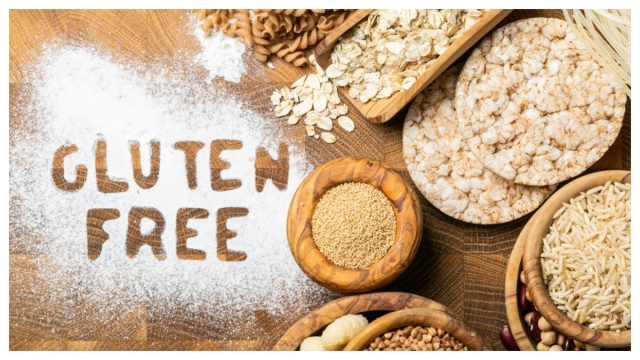
Gluten-Free vs Regular Diets: Wellness Trend or Medical Necessity?
More Like This


How to Improve Your Life: A Complete Guide to Personal Growth
by Emily Cooper
Why is sleep important? What do you need to know about sleep?
by Emily Cooper