Or maybe you've tried to build a new habit, like a morning workout, only to find yourself hitting the snooze button a few days later? For a long time, the narrative was clear: success was a direct result of setting big, audacious goals. But in the world of modern productivity, a new philosophy has emerged, one that promises a more powerful and a more sustainable path to success. The great showdown of daily habits vs weekly goals is here, and it's a battle for your time, your energy, and your future.
For decades, the "weekly goals" mentality was the undisputed king of personal philosophy. It's a belief that by setting big, ambitious goals, we can create the life we want to live. But the rise of research on habit formation has completely changed the game. The "daily habits" approach offers the promise of a more flexible, more powerful way of living, one that sees small, consistent actions as the true key to long-term success. But is this new way of thinking truly better? And what about the comfort and certainty of having a clear, well-defined goal?
In this comprehensive guide, we'll explore the pros and cons, the science, and the strategies behind the daily habits vs weekly goals debate. We’ll answer the top questions people are asking on Google and give you the clarity you need to make more intentional choices for your productivity, your well-being, and your future.
1. What’s the difference between daily habits and weekly goals?


This is the central question of the debate, and the driving force behind many people's personal development choices. So, what’s the difference between daily habits and weekly goals? The answer is that while both are valuable, they are fundamentally different approaches to life. A daily habit is a small, consistent action you take every day, while a weekly goal is a specific, measurable outcome you want to achieve by the end of the week.
Here’s a breakdown of the habit building vs goal setting debate:
Daily Habits:
-
Focus on Process: A daily habit is a focus on the process, not the outcome. It's about taking a small, consistent action every day, regardless of how you feel or what is going on in your life.
-
Small and Consistent: A daily habit is a small and consistent action. It's about doing something for a few minutes every day, rather than doing something for a few hours once a week. This is a core component of the consistency in productivity debate.
-
Long-Term Focus: A daily habit is a long-term focus. It's about the belief that small, consistent actions over a long period of time will lead to big, long-term results.
-
Identity-Based: A daily habit is often identity-based. It's about the belief that you are a person who does a certain thing, rather than a person who is trying to achieve a certain thing. This is a core component of the productivity habits debate.
Weekly Goals:
-
Focus on Outcome: A weekly goal is a focus on the outcome, not the process. It's about achieving a specific, measurable outcome by the end of the week.
-
Big and Ambitious: A weekly goal is often big and ambitious. It's about achieving something that is a challenge and that will have a big impact.
-
Short-Term Focus: A weekly goal is a short-term focus. It's about the belief that achieving a big, ambitious goal in a short period of time will lead to long-term success.
-
Results-Based: A weekly goal is often results-based. It's about the belief that your success is a direct result of achieving a specific outcome. This is a core component of the creating effective goals debate.
Conclusion: So, what’s the difference between daily habits and weekly goals? The answer is that a daily habit is a small, consistent action you take every day, while a weekly goal is a specific, measurable outcome you want to achieve by the end of the week. The most successful people in the world are able to do both. They have a strong understanding of how to set big, ambitious goals, but they also have a strong understanding of how to build small, consistent habits that will get them to their goals.
2. Which is more effective: setting daily habits or weekly goals?


This is the central question of the debate, and the driving force behind many people's personal development choices. So, which is more effective: setting daily habits or weekly goals? The answer is that neither is more effective than the other; the most successful people in the world are able to do both. They have a strong understanding of how to set big, ambitious goals, but they also have a strong understanding of how to build small, consistent habits that will get them to their goals.
Here’s a look at why you need both to succeed:
-
The Power of Habits: Habits are the foundation of success. They are the small, consistent actions that you take every day that will get you to your goals. Without a strong set of habits, you will be fighting an uphill battle. This is a core component of the daily habits for success debate.
-
The Power of Goals: Goals are the compass that guides your habits. They are the big, ambitious outcomes that you want to achieve. Without a clear, well-defined goal, you will be spinning your wheels and you will never be able to get to your goals. This is a major factor in the debate over long-term goal planning.
-
The Blended Approach: The most successful people in the world are able to blend both approaches. They have a strong understanding of how to set big, ambitious goals, but they also have a strong understanding of how to build small, consistent habits that will get them to their goals.
-
The "Habitual Goal-Setter": The most successful people in the world are not just "habit-builders" or "goal-setters"; they are "habitual goal-setters." They are able to set big, ambitious goals, but they are also able to build small, consistent habits that will get them to their goals.
Conclusion: So, which is more effective: setting daily habits or weekly goals? The answer is that neither is more effective than the other; the most successful people in the world are able to do both. They have a strong understanding of how to set big, ambitious goals, but they also have a strong understanding of how to build small, consistent habits that will get them to their goals. The debate over daily habits vs weekly goals is a reflection of these factors, and the future of your life will be forever changed as a result.
3. How do I build daily habits that stick?


The ability to build daily habits that stick is a major factor in the daily habits vs weekly goals debate. So, how do I build daily habits that stick? The answer is to embrace a few simple strategies that can help you to make your habits easy, enjoyable, and sustainable.
Here’s a look at the best strategies for how to build daily habits that stick:
-
Start Small: The first step to building a daily habit that sticks is to start small. You need to choose a habit that is so small that it is impossible to fail. For example, if you want to start working out, you should start by doing one pushup a day.
-
Stack Your Habits: The second step to building a daily habit that sticks is to stack your habits. You need to choose a habit that you already do, and you need to add your new habit to it. For example, if you want to start flossing your teeth, you should do it after you brush your teeth. This is a core component of the productivity habits debate.
-
Make It Obvious: The third step to building a daily habit that sticks is to make it obvious. You need to put the things you need to do your habit in a place where you will see them. For example, if you want to start reading more, you should put a book on your pillow.
-
Make It Enjoyable: The fourth step to building a daily habit that sticks is to make it enjoyable. You need to find a way to make your habit something that you look forward to doing. For example, if you want to start running, you should listen to your favorite podcast while you run.
Conclusion: So, how do I build daily habits that stick? The answer is to embrace a few simple strategies, like starting small, stacking your habits, and making it obvious. By doing these things, you can make your habits easy, enjoyable, and sustainable. The debate over daily habits vs weekly goals is a direct result of these factors, and the future of your life will be forever changed as a result.
4. What are examples of good weekly goals?


The importance of good weekly goals is a major factor in the daily habits vs weekly goals debate. So, what are examples of good weekly goals? The answer is that a good weekly goal is specific, measurable, achievable, relevant, and time-bound.
Here’s a look at a few examples of good weekly goals:
-
Health and Fitness: "I will run 10 miles this week." This is a specific, measurable, achievable, relevant, and time-bound goal.
-
Personal Development: "I will read two chapters of a book this week." This is a specific, measurable, achievable, relevant, and time-bound goal.
-
Career: "I will write one blog post this week." This is a specific, measurable, achievable, relevant, and time-bound goal.
-
Financial: "I will save $50 this week." This is a specific, measurable, achievable, relevant, and time-bound goal.
Conclusion: So, what are examples of good weekly goals? The answer is that a good weekly goal is specific, measurable, achievable, relevant, and time-bound. By setting good weekly goals, you can have a clear, well-defined path to your long-term goals. The debate over creating effective goals is a direct result of these factors, and the future of your life will be forever changed as a result.
5. How can I balance habits with long-term goals?


The ability to balance habits with long-term goals is a major factor in the daily habits vs weekly goals debate. So, how can I balance habits with long-term goals? The answer is to embrace a few simple strategies that can help you to connect your daily habits to your long-term goals.
Here’s a look at the best strategies for a balance of habits with long-term goals:
-
Connect Your Habits to Your Goals: The first step to balancing habits with long-term goals is to connect your habits to your goals. You need to see your daily habits as a way to get to your long-term goals. For example, if your long-term goal is to run a marathon, your daily habit of running one mile is a way to get there.
-
Review Your Goals Weekly: The second step to balancing habits with long-term goals is to review your goals weekly. You need to take a few minutes every week to look at your long-term goals and to see if your daily habits are getting you to your goals. This is a core component of the long-term goal planning debate.
-
Celebrate Your Wins: The third step to balancing habits with long-term goals is to celebrate your wins. You need to take a few minutes every week to celebrate your daily habits and your weekly goals. This will help you to stay motivated and to stay on track. This is a major factor in the debate over motivation for habits.
-
Be Flexible: The fourth step to balancing habits with long-term goals is to be flexible. You need to be willing to adjust your daily habits and your weekly goals as you go. This will help you to stay on track and to avoid burnout.
Conclusion: So, how can I balance habits with long-term goals? The answer is to embrace a few simple strategies, like connecting your habits to your goals, reviewing your goals weekly, and celebrating your wins. By doing these things, you can have a clear, well-defined path to your long-term goals. The debate over daily habits vs weekly goals is a direct result of these factors, and the future of your life will be forever changed as a result.
6. Is it better to focus on habits or goals for productivity?


The focus on habits or goals is a major factor in the daily habits vs weekly goals debate. So, is it better to focus on habits or goals for productivity? The answer is that it is better to focus on habits for productivity. While goals are important, they are not a substitute for a strong set of daily habits.
Here’s a look at the reasons why habits are better for productivity:
-
Consistency: Habits are a major factor in consistency in productivity. They are the small, consistent actions that you take every day that will get you to your goals.
-
Automation: Habits are a form of automation. They are the things that you do without thinking. This will free up your time and your energy, and it will allow you to focus on the tasks that will have the biggest impact.
-
Identity-Based: Habits are often identity-based. It's about the belief that you are a person who does a certain thing, rather than a person who is trying to achieve a certain thing. This can lead to a more sustainable and a more fulfilling way of living.
-
Less Overwhelm: Habits are less overwhelming than goals. A goal can be big and ambitious, and it can be overwhelming. A habit is small and consistent, and it can be a great way to avoid burnout.
Conclusion: So, is it better to focus on habits or goals for productivity? The answer is that it is better to focus on habits for productivity. While goals are important, they are not a substitute for a strong set of daily habits. The debate over daily habits vs weekly goals is a direct result of these factors, and the future of your life will be forever changed as a result.
7. How many daily habits should I have?


The number of daily habits is a major factor in the daily habits vs weekly goals debate. So, how many daily habits should I have? The answer is that you should have a few habits that you can do consistently every day. It is better to have a few habits that you do consistently, than to have a lot of habits that you do inconsistently.
Here’s a look at the best strategies for the number of daily habits:
-
Start Small: The first step to the number of daily habits is to start small. You should choose one or two habits that you can do consistently every day. Once you have a strong foundation, you can add more habits to your routine.
-
Focus on Quality, Not Quantity: The second step to the number of daily habits is to focus on quality, not quantity. It is better to have a few habits that you do consistently, than to have a lot of habits that you do inconsistently.
-
Be Flexible: The third step to the number of daily habits is to be flexible. You need to be willing to adjust your daily habits as you go. This will help you to stay on track and to avoid burnout.
-
Listen to Your Body: The fourth step to the number of daily habits is to listen to your body. You need to be willing to listen to your body and to take a break when you need it. This is a major factor in the debate over daily vs weekly routine.
Conclusion: So, how many daily habits should I have? The answer is that you should have a few habits that you can do consistently every day. It is better to have a few habits that you do consistently, than to have a lot of habits that you do inconsistently. The debate over daily habits vs weekly goals is a direct result of these factors, and the future of your life will be forever changed as a result.
8. Can weekly goals help with time management?


The ability of weekly goals to help with time management is a major factor in the daily habits vs weekly goals debate. So, can weekly goals help with time management? The answer is a definitive yes. Weekly goals can help you to manage your time by giving you a clear, well-defined path to your long-term goals.
Here’s a look at how weekly goals can help with time management:
-
Prioritization: Weekly goals can help you to prioritize your tasks. You need to identify the tasks that will have the biggest impact and you need to focus on those tasks. This is a core component of the creating effective goals debate.
-
Focus: Weekly goals can help you to focus. You need to have a clear, well-defined path to your long-term goals, and you need to be willing to stay focused on that path.
-
Accountability: Weekly goals can help you to stay accountable. You need to have a clear, well-defined path to your long-term goals, and you need to be willing to take responsibility for your actions. This is a major factor in the debate over weekly goal setting.
-
Motivation: Weekly goals can help you to stay motivated. You need to have a clear, well-defined path to your long-term goals, and you need to be willing to celebrate your wins. This is a major factor in the debate over motivation for habits.
Conclusion: So, can weekly goals help with time management? The answer is a clear yes. Weekly goals can help you to manage your time by giving you a clear, well-defined path to your long-term goals. The debate over daily habits vs weekly goals is a direct result of these factors, and the future of your life will be forever changed as a result.
9. How do you track both daily habits and weekly goals?


The ability to track both daily habits and weekly goals is a major factor in the daily habits vs weekly goals debate. So, how do you track both daily habits and weekly goals? The answer is to use a few simple tools and strategies that can help you to stay on track.
Here’s a look at the best strategies for goal tracking tips:
-
Use a Journal: The first step to tracking both daily habits and weekly goals is to use a journal. You can use a journal to track your daily habits, and you can use a journal to track your weekly goals.
-
Use an App: The second step to tracking both daily habits and weekly goals is to use an app. There are a variety of apps, from habit trackers to goal trackers, that can help you to stay on track. This is a core component of the productivity habits debate.
-
Use a Whiteboard: The third step to tracking both daily habits and weekly goals is to use a whiteboard. You can use a whiteboard to track your daily habits, and you can use a whiteboard to track your weekly goals.
-
Use a Calendar: The fourth step to tracking both daily habits and weekly goals is to use a calendar. You can use a calendar to track your daily habits, and you can use a calendar to track your weekly goals.
Conclusion: So, how do you track both daily habits and weekly goals? The answer is to use a few simple tools and strategies, like a journal, an app, a whiteboard, or a calendar. By doing these things, you can stay on track, and you can get to your long-term goals. The debate over daily habits vs weekly goals is a direct result of these factors, and the future of your life will be forever changed as a result.
10. What’s the best way to stay consistent with goals and habits?


The ability to stay consistent with goals and habits is a major factor in the daily habits vs weekly goals debate. So, what’s the best way to stay consistent with goals and habits? The answer is to embrace a few simple strategies that can help you to stay motivated and to stay on track.
Here’s a look at the best strategies for consistency in productivity:
-
Start Small: The first step to staying consistent with goals and habits is to start small. You need to choose a habit that is so small that it is impossible to fail.
-
Be Flexible: The second step to staying consistent with goals and habits is to be flexible. You need to be willing to adjust your daily habits and your weekly goals as you go.
-
Celebrate Your Wins: The third step to staying consistent with goals and habits is to celebrate your wins. You need to take a few minutes every day to celebrate your daily habits, and you need to take a few minutes every week to celebrate your weekly goals.
-
Find a Partner: The fourth step to staying consistent with goals and habits is to find a partner. You need to find a partner who can help you to stay accountable and who can help you to stay motivated.
Conclusion: So, what’s the best way to stay consistent with goals and habits? The answer is to embrace a few simple strategies, like starting small, being flexible, and celebrating your wins. By doing these things, you can stay consistent with your goals and your habits, and you can get to your long-term goals. The debate over daily habits vs weekly goals is a direct result of these factors, and the future of your life will be forever changed as a result.
Daily Habits vs Weekly Goals: The Ultimate Showdown


The great debate of daily habits vs weekly goals is no longer a simple battle of right and wrong. It's a conversation about what we value most in our lives: the process or the outcome. As we've seen, there are compelling benefits to both.
The "weekly goals" mentality offers a powerful mix of a clear, well-defined path to success, a sense of purpose, and a feeling of accomplishment. It's a place to be ambitious, to set big, audacious goals, and to have a sense of who we are. The disadvantages of a goal-only mindset are a reflection of a world that is moving at a rapid pace.
But the "daily habits" approach is a powerful contender. It offers the promise of consistency, sustainability, and a more fulfilling life that a "weekly goals" mindset simply can't match. The daily habits for success are a reflection of a world that is becoming more interconnected and more personalized.
The most important thing is to be intentional about your approach. It's about asking yourself a simple question: "What is my goal?" If your goal is to have a clear, well-defined path to success, a blended model that combines the best of both worlds is often the better choice. If your goal is to have a sustainable and a healthy way to live, a focus on daily habits is often the better choice.
So, whether you're a seasoned goal-setter or a newfound habit-builder, the most important thing is to embrace your own personal style and to choose the path that brings you the most joy. The journey of life is a personal one, and the best way to get there is to choose the path that makes you feel the most fulfilled.
Maybe you are interested:

Willpower vs Environment: Which One Truly Controls Your Habits?
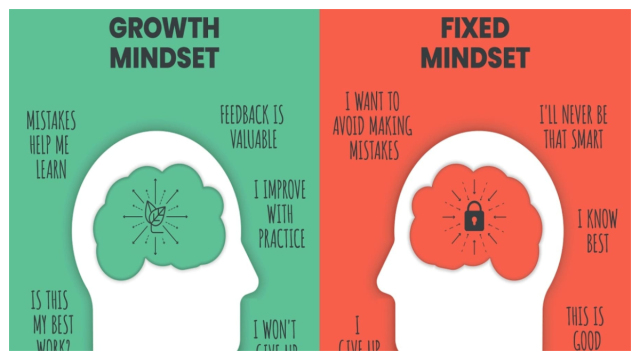
Growth Mindset vs Fixed Mindset: How to Shift Your Thinking for Success
More Like This

How to Improve Your Life: A Complete Guide to Personal Growth
by Emily Cooper
Why is sleep important? What do you need to know about sleep?
by Emily Cooper