Or perhaps you've been diligently working out, but a nagging question persists: in the great fitness showdown of cardio vs. strength training, which one truly deserves your precious time and energy?
It's a classic fitness dilemma, right up there with "early bird or night owl workouts." Some swear by the calorie-blasting power of a long run, while others champion the muscle-sculpting magic of lifting heavy. And when your goals are as diverse as shedding pounds, building muscle, boosting your energy, or simply living a longer, healthier life, deciding which should you prioritize can feel like a genuine puzzle.
In this comprehensive guide, we're going to dive deep into the fascinating world of fitness. We'll explore the unique benefits of cardio vs. strength training, dissect their impact on everything from fat loss to heart health, and tackle all those burning questions that keep you from achieving your fitness dreams. Get ready to clear up the confusion, understand the science, and discover the optimal strategy to make your workouts work smarter, not just harder, for you!
1. Is cardio or strength training better for weight loss?
This is arguably the most common question in the fitness world, and for good reason! When most people start a fitness journey, weight loss is often at the top of their list. So, is cardio or strength training better for weight loss? The answer isn't a simple either/or, but rather a nuanced understanding of how each contributes.
Let's break down the unique contributions of cardio vs weights for fat loss:
Cardio for Weight Loss:
-
Calorie Burn During Workout: Cardio (aerobic exercise) is excellent for burning a significant number of calories during your workout. A 30-minute run, cycle, or high-intensity interval training (HIIT) session can torch hundreds of calories, making it a very efficient tool for creating a calorie deficit. This leads into which burns more calories: cardio or strength training? (more on that later).
-
Accessible for All Levels: Cardio activities like walking, jogging, or cycling are generally easy to start for beginners and don't require much specialized equipment or complex technique, making them a popular choice for initial best workout for weight loss efforts.
-
Improved Cardiovascular Health: Beyond calories, cardio is vital for heart and lung health, boosting endurance and improving your body's ability to deliver oxygen to working muscles.
Strength Training for Weight Loss:
-
Muscle is Metabolically Active: This is where strength training truly shines for long-term weight loss. Muscle tissue burns more calories at rest than fat tissue. By building and maintaining muscle mass, you effectively increase your Basal Metabolic Rate (BMR) – the number of calories your body burns just to exist. This makes strength training better for long-term fat loss.
-
EPOC (Excess Post-exercise Oxygen Consumption): Strength training leads to a phenomenon called EPOC, or the "afterburn effect." Your body continues to burn calories at an elevated rate for hours (sometimes up to 48 hours) after a strength workout as it repairs and rebuilds muscle tissue. This contributes significantly to overall calorie expenditure beyond the actual workout time.
-
Body Composition Change: Strength training helps you change your body composition by losing fat and gaining muscle. You might not see a huge drop on the scale initially if you're gaining muscle, but your body will be leaner, firmer, and more metabolically efficient. This is the goal of true fat loss.
-
Sculpting and Toning: Beyond the numbers, strength training sculpts your body, leading to a more toned and athletic physique.
People Also Ask: Is cardio or strength training better for weight loss? For immediate calorie burn during a workout, cardio often takes the lead. However, for long-term fat loss and sustainable weight management, strength training is generally more effective because it builds muscle mass, which boosts your resting metabolism (BMR) and creates a significant "afterburn effect" (EPOC), leading to more calories burned overall. The best workout for weight loss often involves a combination of both.
The Verdict for Weight Loss:
While cardio helps you burn calories quickly, strength training is generally more effective for long-term fat loss due to its impact on metabolism and body composition. For the best workout for weight loss, a combination of both is superior. Cardio helps create the immediate calorie deficit, while strength training builds the metabolic engine that burns fat more efficiently 24/7.
2. Should I do cardio or strength training first?
The question Should I do cardio or strength training first? is a common point of debate among fitness enthusiasts and trainers alike. The answer often depends on your primary fitness goals and how your body responds. There are valid arguments for both approaches. This explores the practical side of cardio vs strength training.
Let's look at the science and common recommendations:
Option 1: Strength Training First (Most Commonly Recommended for Muscle Building & Strength)
-
Why: When you engage in strength training, you use stored glycogen (carbohydrates) for energy. If you perform cardio before lifting, you deplete these glycogen stores, which can impair your strength, power, and overall performance during your weightlifting session.
-
Benefits:
-
Maximal Strength & Muscle Gains: Performing strength training when your energy reserves are full allows you to lift heavier weights, perform more repetitions, and maintain proper form, which is crucial for progressive overload and stimulating muscle growth. This directly addresses cardio vs muscle building.
-
Reduced Injury Risk: When you're fresh, your technique is likely to be better, reducing the risk of injury from fatigued movements.
-
Better Focus: Strength training often requires more mental focus and concentration. Doing it first ensures you're mentally sharp.
-
-
When to choose this: If your primary goal is to gain strength, build muscle mass, or improve specific power metrics.
Option 2: Cardio First (Less Common, but has specific uses)
-
Why: A short, low-intensity cardio session (5-10 minutes) can serve as an excellent warm-up, increasing blood flow and preparing your muscles and joints for the upcoming strength workout.
-
Benefits:
-
Warm-up: Gets your heart rate up, warms up muscles, and improves joint mobility.
-
Immediate Calorie Burn: If your absolute priority is burning as many calories as possible in a combined session, starting with a moderate cardio session might appeal to some, though this often comes at the expense of strength performance.
-
-
When to choose this: If you're using cardio solely as a dynamic warm-up. If your main goal is endurance or you need to get your heart rate up quickly for a specific reason (e.g., managing blood sugar before a meal), and strength is a secondary concern.
Option 3: Separate Sessions (Ideal for Optimal Gains in Both)
-
Why: If you want to maximize both your cardio endurance and your strength/muscle gains, performing these workouts on separate days or at least with several hours of rest in between is often the most effective strategy. This helps to avoid the "interference effect" where intense cardio might blunt some of the signaling for muscle growth.
-
Benefits: Allows you to give 100% to each type of training without compromise.
-
When to choose this: If you have enough time in your schedule and are serious about optimizing both aspects of your fitness. This is often the best way to combine cardio and strength.
People Also Ask: Should I do cardio or strength training first? For optimal muscle building and strength gains, it's generally recommended to do strength training first. This ensures your energy reserves are full for heavy lifting and proper form. A short, low-intensity cardio session can serve as a warm-up. For maximizing both, performing cardio and strength training on separate days or with significant rest in between is ideal to avoid interference.
The Verdict on Order:
For most people whose goals include building muscle or strength, doing strength training first is the optimal approach. If you're combining them in one session, use a short, light cardio session (5-10 minutes) as a warm-up, and save the more intense cardio for after your lifting or for a separate day. This helps you get the most out of your cardio vs resistance training efforts.
3. Can you build muscle with cardio?
The question Can you build muscle with cardio? touches on a key distinction in exercise physiology. While the primary mechanism for muscle growth (hypertrophy) is resistance training, certain types of cardio can contribute to, or at least help preserve, muscle mass, though it won't be the primary driver of significant bulk. This is a common point of confusion in the cardio vs muscle building debate.
Here's the breakdown:
-
Traditional View (and why it's mostly true):
-
Strength Training is King for Hypertrophy: The primary stimulus for muscle growth is progressive overload – consistently challenging your muscles with resistance (weights, bodyweight, resistance bands) and forcing them to adapt by growing stronger and larger. This is the core of strength training benefits.
-
Cardio's Role: Traditional, steady-state cardio (like long-distance running or cycling) primarily taxes your cardiovascular system and endurance, not necessarily your muscles in a way that promotes significant growth. In fact, excessive steady-state cardio can sometimes hinder muscle growth or even lead to muscle breakdown if caloric intake isn't sufficient.
-
-
Where Cardio Can Influence Muscle:
-
High-Intensity Interval Training (HIIT):
-
Mechanism: HIIT involves short bursts of intense effort followed by brief recovery periods. These intense bursts often engage fast-twitch muscle fibers (the ones with the most growth potential) and can create a metabolic stress that contributes to muscle preservation and even some minor growth, especially in beginners or de-conditioned individuals.
-
Examples: Sprinting, cycling with high resistance, burpees, box jumps. These activities recruit muscles more powerfully than steady-state cardio.
-
Result: While not as effective as lifting weights, regular HIIT can certainly help improve muscular endurance and maintain existing muscle mass, and potentially lead to some muscle gain, particularly in the lower body. This makes HIIT vs strength training an interesting comparison.
-
-
Cardio with Resistance Elements:
-
Mechanism: Activities that combine cardiovascular challenge with significant muscular resistance.
-
Examples: Hill sprints, stair climbing, incline walking, rowing (especially at higher resistance), cycling with high resistance.
-
Result: These forms of cardio can build significant muscle endurance and even modest muscle size in the engaged muscle groups (e.g., quads and glutes from hills/stairs, back and legs from rowing).
-
-
Beginner Gains:
-
Mechanism: For individuals who are completely new to exercise, almost any physical activity that challenges their body (including moderate cardio) can lead to initial improvements in muscle tone and strength, as their muscles adapt to new demands. This is known as "beginner gains."
-
Result: They might experience some lean mass increase simply from becoming more active, even without dedicated strength training.
-
-
People Also Ask: Can you build muscle with cardio? While traditional, steady-state cardio primarily focuses on endurance and won't lead to significant muscle growth, High-Intensity Interval Training (HIIT) or cardio with resistance elements (like hill sprints or rowing) can contribute to muscle preservation, improved muscular endurance, and even modest muscle gains, especially in beginners, by engaging fast-twitch muscle fibers. However, dedicated strength training remains the most effective method for building substantial muscle mass.
The Verdict on Muscle Building with Cardio:
You won't become a bodybuilder solely with cardio. Dedicated strength training (progressive resistance) is the most effective and efficient way to build significant muscle mass. However, certain forms of cardio, particularly HIIT vs strength training that incorporates high intensity or resistance, can certainly support muscle maintenance, improve muscular endurance, and contribute to minor muscle gains, especially for those new to exercise. It's best seen as a complementary tool, not a replacement for lifting weights, when your goal is cardio vs muscle building.
4. How often should I do cardio vs strength training?
The question How often should I do cardio vs strength training? is central to creating a balanced and effective fitness routine. The ideal frequency largely depends on your specific goals, current fitness level, and how much time you have available. There's no one-size-fits-all answer, but general guidelines from health organizations and fitness experts can help. This helps answer what's the best workout routine: cardio, strength, or both?
Let's look at common recommendations:
General Health & Wellness (Baseline for Most Adults):
-
Cardio: Aim for at least 150 minutes of moderate-intensity aerobic activity (like brisk walking, cycling, swimming) per week, OR 75 minutes of vigorous-intensity aerobic activity (like running, HIIT) per week. You can spread this out (e.g., 30 minutes of moderate cardio 5 times a week).
-
Strength Training: Aim for at least 2-3 full-body strength training sessions per week, targeting all major muscle groups (legs, back, chest, shoulders, arms, core). Allow at least 48 hours of rest for a muscle group before training it again. This is a good guideline for strength training for beginners.
For Weight Loss (Fat Loss & Body Composition Change):
-
Cardio: You might increase cardio frequency or intensity beyond the minimum, aiming for 200-300 minutes of moderate-intensity cardio per week, or more vigorous options. This helps create a significant calorie deficit.
-
Strength Training: Maintain 3-4 full-body or split strength training sessions per week. This is crucial for preserving muscle mass during a calorie deficit and boosting your metabolism. Focus on progressive overload.
For Muscle Building (Hypertrophy):
-
Strength Training: 3-5 days per week, often with a split routine (e.g., upper body/lower body, push/pull/legs) to allow for sufficient recovery of muscle groups. The focus is on consistency, progressive overload, and adequate protein intake.
-
Cardio: Keep cardio to a minimum (2-3 sessions per week, moderate intensity) to avoid hindering muscle growth (the "interference effect"). Short HIIT sessions might be preferred over long steady-state cardio if cardio is desired. This ties into how does cardio affect muscle gain?
For Endurance Athletes (Running, Cycling, etc.):
-
Cardio: Will be the primary focus, with training sessions 4-6+ days per week, varying in intensity and duration.
-
Strength Training: Still important for injury prevention, power, and muscle balance. Aim for 2-3 strength sessions per week, focusing on compound movements and core strength.
People Also Ask: How often should I do cardio vs strength training? For general health, aim for at least 150 minutes of moderate cardio and 2-3 full-body strength training sessions per week. For weight loss, you might increase cardio to 200-300 minutes and maintain 3-4 strength sessions. For muscle building, prioritize 3-5 strength sessions with minimal cardio. For endurance, cardio dominates, supplemented by 2-3 strength sessions for injury prevention. The optimal balance depends on your specific goals.
Key Takeaways on Frequency:
-
Prioritize Your Main Goal: If your primary goal is strength, ensure your strength workouts are high quality. If it's endurance, prioritize your cardio.
-
Don't Neglect Either: For overall health, well-rounded fitness, and the benefits of cardio vs strength training, both are crucial. A combined approach is almost always superior.
-
Listen to Your Body: Allow for adequate rest and recovery. Overtraining can lead to injury and burnout.
-
Consistency is King: The most effective routine is the one you can stick with consistently over the long term. This is paramount, whether you combine cardio and strength or separate them.
5. Which burns more calories: cardio or strength training?
The question Which burns more calories: cardio or strength training? is a common one, especially for those focused on weight management. The answer is nuanced, as it depends on whether you're asking about calories burned during the workout or calories burned overall (including after the workout). This helps clarify the effectiveness of cardio vs weights for fat loss.
Let's break down the calorie expenditure for each:
Calories Burned During the Workout:
-
Cardio (Aerobic Exercise): Generally, moderate to high-intensity cardio activities tend to burn more calories per minute or per session than strength training.
-
Examples (for a 150lb person, per 30 minutes):
-
Running (6 mph): ~370 calories
-
Cycling (moderate): ~250 calories
-
Swimming (moderate): ~200 calories
-
HIIT (high intensity): Can be even higher, depending on the intervals.
-
-
Why: Cardio elevates your heart rate and keeps it elevated for a sustained period, using large muscle groups continuously. This directly consumes more energy during the active period.
-
-
Strength Training (Resistance Training): The calorie burn during a typical strength training session can vary widely, but often it's lower than a comparable duration of moderate to high-intensity cardio.
-
Examples (for a 150lb person, per 30 minutes):
-
Weightlifting (general): ~110-220 calories (depending on intensity, rest periods, and compound vs. isolation movements).
-
-
Why: Strength training involves bursts of effort followed by rest periods, and the focus is on muscle fatigue and breakdown rather than sustained cardiovascular output.
-
Calories Burned Overall (Including After the Workout - EPOC):
This is where the picture changes significantly, and where strength training gains a major advantage for long-term fat loss.
-
EPOC (Excess Post-exercise Oxygen Consumption) - The "Afterburn Effect":
-
Strength Training's Advantage: Strength training causes more micro-tears in your muscle fibers, requiring more energy for repair and recovery after the workout. This elevated metabolic rate can last for 24-48 hours (or even longer for very intense sessions), meaning you're burning more calories even when you're at rest. This is a significant part of the strength training benefits for fat loss.
-
Cardio's EPOC: While cardio also has an EPOC effect, it's generally much smaller and shorter-lived compared to strength training, especially for steady-state cardio. HIIT can produce a more significant EPOC effect than steady-state cardio.
-
-
Metabolic Boost from Muscle Mass:
-
Strength Training's Long-Term Impact: As discussed, building muscle mass through strength training increases your Basal Metabolic Rate (BMR). Muscle is metabolically more active than fat. So, the more muscle you have, the more calories you burn all day, every day, even when you're just sitting on the couch. This is a crucial factor often overlooked when comparing cardio vs muscle building.
-
Cardio's Impact: Cardio doesn't significantly build muscle (unless it's very specific HIIT or resistance-based cardio), so it doesn't offer this long-term metabolic boost.
-
People Also Ask: Which burns more calories: cardio or strength training? During a workout, high-intensity cardio generally burns more calories per minute than strength training. However, strength training burns more calories overall due to its significant "afterburn effect" (EPOC), where your body continues to burn elevated calories for up to 48 hours post-workout for muscle repair. Additionally, building muscle through strength training increases your resting metabolic rate (BMR), leading to more calories burned throughout the day, which is why strength training is better for long-term fat loss.
The Verdict on Calorie Burn:
If your goal is to burn the maximum number of calories during a single workout session, intense cardio (especially HIIT) might have a slight edge. However, if your goal is overall, long-term calorie expenditure and fat loss, strength training provides a greater metabolic boost due to EPOC and increased muscle mass. For optimal results, combining both is truly the best workout for weight loss.
6. Can I do both cardio and strength training in one day?
The question Can I do both cardio and strength training in one day? is a common one, especially for those with busy schedules or specific fitness goals. The answer is a resounding YES, you absolutely can do both cardio and strength training in one day, and for many people, it's an excellent strategy for achieving well-rounded fitness. This is often how people choose to combine cardio and strength.
However, there are optimal ways to do it to maximize results and minimize potential interference or fatigue:
A. In the Same Session (Combined Workout):
-
Order Matters: As discussed in Question 2, if muscle gain or strength is your priority, generally do strength training before cardio. A quick, light cardio warm-up (5-10 minutes) is fine before lifting, but save your main cardio session for after.
-
Intensity & Duration: Be mindful of the total intensity and duration. If you do a very intense strength workout followed by a very intense cardio workout, you risk overtraining, fatigue, and potential injury.
-
Recovery: Ensure you have enough recovery time between sessions or adjust the intensity of one or both workouts.
-
Pros: Time-efficient, convenient for busy schedules, ensures both modalities are covered.
-
Cons: Potential for "interference effect" if both are high intensity (where endurance training might slightly blunt muscle growth signals), increased fatigue, potentially compromised performance in the second activity.
B. Separate Sessions on the Same Day (Split Workouts):
-
Timing: The most effective way to combine them on the same day is to separate them by at least 6-8 hours. For example, strength train in the morning and do cardio in the evening, or vice versa.
-
Why Separation Helps: This allows your body sufficient time to recover from the first session and replenish energy stores, reducing the interference effect and allowing for optimal performance in both workouts. It also allows the hormonal responses (e.g., muscle protein synthesis signals from strength training) to fully take effect without being immediately blunted by a subsequent cardio session.
-
Pros: Maximizes performance in both modalities, minimizes interference, better for dedicated gains in both strength and endurance.
-
Cons: Requires more time commitment throughout the day, can be challenging for very busy individuals.
C. Integrated Workouts (Hybrid Approach):
-
What it is: Workouts that blend elements of both, blurring the lines between traditional cardio and strength.
-
Examples:
-
HIIT with bodyweight exercises: Burpees, jump squats, mountain climbers done in high-intensity intervals. This is a great example of HIIT vs strength training integrated.
-
Circuit Training: Moving quickly from one strength exercise to another with minimal rest, keeping your heart rate elevated.
-
Strength Training with Active Rest: Performing a strength exercise, then immediately doing a short burst of cardio (e.g., jumping jacks) during your rest period.
-
Strongman training, CrossFit, or certain boot camp classes: Often combine heavy lifting with metabolic conditioning.
-
-
Pros: Efficient, builds both muscular endurance and cardiovascular fitness, keeps workouts engaging.
-
Cons: Can be very taxing, requires good foundational fitness.
People Also Ask: Can I do both cardio and strength training in one day? Yes, you can do both cardio and strength training in one day. For optimal results, perform strength training before cardio in the same session, or ideally, separate them by 6-8 hours on the same day to minimize the "interference effect" and allow for better recovery and performance in each. Integrated workouts like circuit training or HIIT with bodyweight exercises also effectively combine cardio and strength.
The Verdict on Doing Both in One Day:
Absolutely possible and often beneficial! The best approach for you will depend on your schedule and goals. For general fitness and time efficiency, combining them in one session (strength first) works well. For maximizing specific gains in both strength and endurance, separate sessions are ideal. Experiment to find what works best for your body and your lifestyle when you combine cardio and strength.
7. What are the benefits of strength training over cardio?
While both cardio and strength training are crucial for overall health, focusing on the question What are the benefits of strength training over cardio? allows us to highlight the unique and often underappreciated advantages that lifting weights brings to the table. These are distinct from the benefits of cardio vs strength training generally.
Here are the key advantages that strength training offers:
-
Increased Muscle Mass and Strength: This is the most obvious benefit. Strength training directly stimulates muscle protein synthesis, leading to increased muscle size (hypertrophy) and strength. This is something cardio, especially steady-state, cannot achieve significantly. This is the core of cardio vs muscle building in terms of unique benefits.
-
Higher Resting Metabolic Rate (RMR) and Long-Term Fat Loss:
-
Muscle tissue is metabolically more active than fat tissue. Building more muscle means your body burns more calories at rest, even when you're sleeping.
-
This provides a significant long-term advantage for fat loss and weight management that cardio alone doesn't offer. This is why strength training is better for long-term fat loss.
-
-
Enhanced Bone Density:
-
Strength training is a weight-bearing activity. The stress placed on bones during lifting stimulates bone remodeling, making them denser and stronger. This is crucial for preventing osteoporosis and reducing the risk of fractures, especially as we age. Cardio like swimming or cycling doesn't provide this benefit.
-
-
Improved Body Composition:
-
Strength training directly leads to body recomposition – reducing fat while simultaneously building muscle. This results in a leaner, firmer, and more toned physique, irrespective of what the scale says. Cardio primarily helps with fat loss but doesn't directly build significant muscle.
-
-
Better Functional Strength for Daily Life:
-
Increased strength translates directly into easier daily activities – lifting groceries, playing with children, climbing stairs, or even getting up from a chair. It improves quality of life and maintains independence as you age. This is often highlighted in strength training benefits.
-
-
Reduced Risk of Injury and Pain:
-
Stronger muscles provide better support for joints, improving stability and reducing the risk of injuries in both daily activities and other forms of exercise. It can also alleviate chronic pain, particularly back and joint pain, by strengthening supporting musculature.
-
-
Improved Glucose Metabolism and Insulin Sensitivity:
-
Muscle tissue is a major site for glucose uptake. More muscle means your body can process carbohydrates more efficiently, improving insulin sensitivity and significantly reducing the risk of Type 2 diabetes. This is a critical metabolic benefit that strength training excels at.
-
-
Enhanced Balance and Coordination:
-
Strength training, particularly compound movements, improves neuromuscular coordination and balance, which are vital for fall prevention, especially in older adults.
-
-
Positive Impact on Mental Health:
-
Beyond the physical, strength training has profound mental health benefits, including reduced symptoms of anxiety and depression, improved mood, increased self-esteem, and better sleep quality.
-
People Also Ask: What are the benefits of strength training over cardio? Strength training uniquely offers significant increases in muscle mass and strength, leading to a higher resting metabolic rate for long-term fat loss. It significantly enhances bone density, improves body composition for a toned physique, and builds functional strength crucial for daily activities. Additionally, it reduces injury risk, improves glucose metabolism, enhances balance, and provides substantial mental health benefits.
While cardio is undeniably important for heart health and endurance, these distinct advantages of strength training make it an indispensable component of any comprehensive fitness routine, especially if your goals include building a resilient body that functions optimally in all aspects of life. It’s why strength vs endurance training is often best when both are combined.
8. Is strength training better for long-term fat loss?
Building on previous discussions, the question Is strength training better for long-term fat loss? can be answered with a definitive YES. While cardio is excellent for immediate calorie expenditure, strength training holds the strategic advantage for sustainable and significant fat loss over time. This is a key finding when comparing cardio vs weights for fat loss.
Here's why strength training takes the lead for the long haul:
-
Metabolic Engine - Muscle Mass:
-
The Core Reason: The most crucial factor is that strength training builds and preserves muscle mass. Muscle is metabolically active tissue, meaning it burns more calories at rest than fat tissue does.
-
Increased Basal Metabolic Rate (BMR): By increasing your muscle mass, you effectively raise your BMR. This means your body burns more calories 24 hours a day, 7 days a week, even when you're sleeping, eating, or sitting. This sustained calorie burn is fundamental to long-term fat loss and weight management.
-
Contrast with Cardio: While cardio burns calories during the workout, it doesn't significantly build muscle and thus doesn't provide this same long-term metabolic boost. If you only do cardio, and you stop exercising, your calorie burn drops almost immediately to baseline. With strength training, you maintain a higher baseline burn.
-
-
The "Afterburn Effect" (EPOC):
-
Extended Calorie Burn: Strength training leads to a more significant and prolonged EPOC compared to steady-state cardio. Your body continues to burn calories at an elevated rate for many hours post-workout (up to 48 hours) as it recovers, repairs muscle tissue, and restores physiological balance. This adds substantial "bonus" calorie burn over time.
-
-
Body Recomposition:
-
Losing Fat, Gaining Muscle: Healthy weight loss isn't just about the number on the scale; it's about changing your body composition – reducing fat mass and increasing or maintaining lean muscle mass. Strength training directly facilitates this. You might even maintain or slightly increase your body weight if you're building a lot of muscle, but you'll be leaner and healthier. This is the real goal of body fat vs weight loss.
-
Improved Appearance: Beyond health metrics, this body recomposition leads to a more toned, sculpted physique, which is often a key motivator for cardio vs lifting for women and men alike.
-
-
Improved Insulin Sensitivity:
-
Muscle cells are primary sites for glucose uptake. Building more muscle through strength training improves your body's ability to handle carbohydrates, making you more insulin sensitive. This is vital for preventing fat storage and managing blood sugar, especially important when considering how processed sugar affects the body.
-
-
Sustainable and Progressive:
-
Strength training offers clear paths for progressive overload (lifting heavier, more reps, more sets), which keeps the body challenged and adapting. This sustainability ensures continued results over the long term.
-
People Also Ask: Is strength training better for long-term fat loss? Yes, strength training is better for long-term fat loss because it builds and preserves muscle mass, which significantly increases your resting metabolic rate (BMR), causing your body to burn more calories 24/7. Additionally, it leads to a greater and longer-lasting "afterburn effect" (EPOC) and promotes healthy body recomposition by replacing fat with metabolically active muscle.
While cardio is an excellent tool for creating an initial calorie deficit and immediate fat burning, it's the consistent metabolic boost and body recomposition driven by strength training benefits that make it the superior choice for sustainable, long-term fat loss. This is why the best workout for weight loss often emphasizes lifting.
9. What’s the best workout routine: cardio, strength, or both?
The ultimate question in the fitness landscape is often What’s the best workout routine: cardio, strength, or both? While individual goals and preferences play a role, the overwhelming consensus among health and fitness professionals is that a routine that effectively combines both cardio and strength training is superior for overall health, longevity, performance, and body composition.
Here's why a combined approach is the "best" for most people:
The Synergistic Power of "Both":
-
Comprehensive Health Benefits:
-
Cardio: Excelles at heart health cardio vs strength, improving cardiovascular endurance, lung capacity, blood pressure regulation, and cholesterol levels. It reduces the risk of heart disease, stroke, and Type 2 diabetes.
-
Strength Training: Builds muscle and bone density, boosts metabolism, improves insulin sensitivity, enhances functional strength for daily life, and reduces injury risk.
-
Combined: Together, they create a robust defense against a wide range of chronic diseases, dramatically improving your overall health span and lifespan.
-
-
Optimized Body Composition & Weight Management:
-
Cardio: Helps create a calorie deficit for fat loss during the workout.
-
Strength Training: Builds muscle, which increases your resting metabolism for long-term fat burning and body recomposition (losing fat, gaining muscle).
-
Combined: This is the most effective strategy for fat loss, body toning, and achieving a desirable physique. You get the immediate calorie burn from cardio and the sustained metabolic boost from muscle mass. This is truly the best workout for weight loss.
-
-
Improved Functional Fitness:
-
Life requires both strength (carrying groceries, lifting children) and endurance (walking up stairs, playing sports, enjoying active hobbies). A balanced routine prepares your body for all of life's demands. This highlights strength vs endurance training as a combined necessity.
-
-
Enhanced Athletic Performance:
-
Most sports and activities require a blend of both. Strong muscles support endurance activities, reducing injury risk, while cardiovascular fitness improves recovery and sustained effort. Athletes often incorporate both extensively.
-
-
Mental Health Benefits:
-
Both types of exercise are powerful stress relievers, mood boosters, and can improve sleep quality. Combining them offers a broader spectrum of mental well-being benefits.
-
-
Variety and Adherence:
-
Alternating between cardio and strength training can keep your workouts fresh and engaging, reducing boredom and increasing the likelihood that you'll stick with your routine long-term. This helps with how often should you do cardio and strength training for sustainability.
-
People Also Ask: What’s the best workout routine: cardio, strength, or both? The best workout routine for most people is one that effectively combines both cardio and strength training. This synergistic approach provides comprehensive health benefits (heart health, bone density, metabolism boost), optimizes body composition for long-term fat loss, enhances functional fitness for daily life, improves athletic performance, and offers superior mental health benefits, all while promoting long-term adherence through variety.
How to Combine Them (Practical Application):
-
Alternate Days: Dedicate specific days to cardio and others to strength (e.g., Mon/Wed/Fri strength, Tue/Thu cardio).
-
Split Sessions: Perform strength training in the morning and cardio in the evening on the same day (allowing for recovery).
-
Hybrid Workouts: Incorporate elements of both in the same session (e.g., circuit training with strength exercises and short cardio bursts, or HIIT vs strength training that combines bodyweight power moves).
-
Listen to Your Body: Adjust intensity and volume based on how you feel. Prioritize recovery.
While individuals with very specific, elite-level goals might temporarily emphasize one over the other (e.g., a marathon runner will do more cardio, a powerlifter more strength), for the vast majority of the population seeking optimal health, longevity, and fitness, the answer is clear: combine cardio and strength.
10. How does cardio affect muscle gain?
The question How does cardio affect muscle gain? is crucial for anyone whose fitness goals include building muscle, as there can be a perceived conflict or "interference effect" between the two. While cardio doesn't directly build significant muscle mass, its impact on muscle gain is nuanced and depends heavily on the type, intensity, and timing of the cardio. This is the heart of the cardio vs muscle building discussion.
Here's how cardio can influence muscle gain:
A. Potential Negative ("Interference Effect"):
-
Physiological Signaling: Long, excessive, or high-intensity cardio performed immediately before or after a strength workout can potentially interfere with the signaling pathways that drive muscle protein synthesis (the process of muscle growth). This is known as the "interference effect."
-
Aerobic exercise activates different molecular pathways (like AMPK) that can counteract the pathways activated by strength training (like mTOR), which are crucial for muscle growth.
-
-
Glycogen Depletion: Intense cardio depletes muscle glycogen stores. If you then go into a strength workout with depleted stores, your performance (lifting heavier, doing more reps) will be compromised, limiting the stimulus for muscle growth.
-
Increased Catabolism: Excessive cardio, especially in a calorie deficit, can lead to increased cortisol levels and potentially muscle protein breakdown, especially if not balanced with adequate nutrition and recovery.
-
Fatigue: Performing too much cardio can lead to systemic fatigue, reducing your ability to perform maximally during strength sessions, thus hindering progressive overload.
B. Potential Positive (Beneficial for Muscle Gain in Certain Contexts):
-
Improved Recovery: Moderate, low-intensity cardio (like walking or light cycling) can aid in recovery between strength sessions by increasing blood flow to muscles, helping to clear metabolic waste products, and reducing muscle soreness. This is sometimes called "active recovery."
-
Enhanced Work Capacity & Endurance: A healthy cardiovascular system allows you to train harder and longer in your strength sessions. Better endurance means you can complete more sets and reps with shorter rest periods, potentially increasing the total volume of work, which is a key driver of hypertrophy.
-
Reduced Fat Mass (Revealing Muscle): While cardio doesn't build muscle, it's very effective at burning calories and reducing body fat. If you have excess body fat, reducing it through cardio will make the muscle you do build from strength training more visible, leading to a more "toned" and defined physique. This is crucial for cardio vs weights for fat loss.
-
Improved Overall Health & Well-being: A healthier cardiovascular system means better nutrient and oxygen delivery to muscles, which supports their overall health and ability to grow and repair.
People Also Ask: How does cardio affect muscle gain? Excessive or ill-timed cardio, particularly high-intensity or long-duration sessions, can negatively affect muscle gain by interfering with muscle growth signaling pathways, depleting glycogen stores, and causing fatigue. However, moderate, low-intensity cardio can aid recovery, enhance work capacity for strength sessions, and help reduce body fat to reveal muscle definition, ultimately supporting a well-rounded physique.
Strategies for Minimizing Interference and Maximizing Gain:
-
Separate Sessions: Ideally, perform cardio and strength training on separate days.
-
Time Separation: If on the same day, separate them by at least 6-8 hours.
-
Prioritize Strength: If combined in one session, do strength training first.
-
Moderate Cardio Intensity & Volume: Keep cardio sessions moderate in intensity and duration (e.g., 20-30 minutes of steady-state or short HIIT bursts) to minimize interference, especially during a muscle-building phase.
-
Adequate Nutrition: Ensure you are consuming enough calories and protein to support both energy expenditure and muscle repair/growth.
In summary, cardio isn't for building muscle, but it plays a supportive role. Done strategically, it can enhance recovery and body composition without significantly hindering muscle gains. Done excessively or incorrectly, it can impede progress in cardio vs muscle building. The key is to find the right balance for your specific goals, understanding the relationship between strength vs endurance training.
Your Ultimate Fitness Playbook: The Power of Both!
So, after dissecting the ins and outs of cardio vs. strength training, where do we land? Is there a clear winner in this fitness showdown? The resounding answer, for the vast majority of us aiming for holistic health, sustainable results, and optimal well-being, is a powerful BOTH.
Trying to pick just one is like choosing between eating vegetables and drinking water – you need both for optimal health! Cardio trains your heart, builds endurance, and burns calories. Strength training builds muscle, strengthens bones, boosts your metabolism, and sculpts your physique. Each offers unique and irreplaceable benefits of cardio vs strength training that, when combined, create a truly synergistic effect.
Whether your primary goal is shedding pounds (best workout for weight loss), building a resilient, strong body, or simply extending your healthy years, integrating both modalities into your routine is your ultimate fitness superpower. Don't fall for the myth of either/or; embrace the power of the "and."
So, step onto that treadmill, pick up those dumbbells, or better yet, do both. Listen to your body, choose activities you genuinely enjoy, and build a routine that supports your life, not just your workout. The best fitness journey is the one you can stick with, one where you celebrate every gain in strength, every extra minute of endurance, and every step towards a healthier, happier you. Go on, crush it!
Maybe you are interested:

Meditation vs Deep Breathing: Which Calms Anxiety Faster and More Effectively?
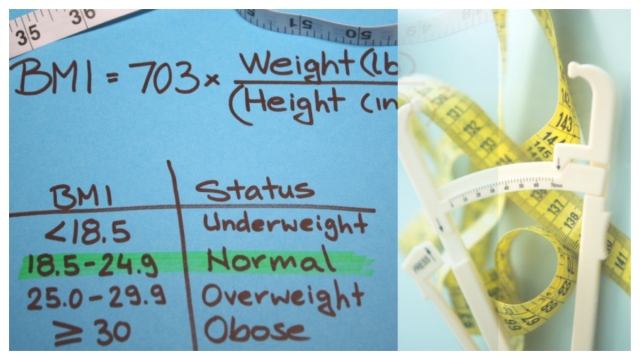
BMI vs Body Fat Percentage: Which Is the More Accurate Measure of Health?
More Like This


How to Improve Your Life: A Complete Guide to Personal Growth
by Emily Cooper
Why is sleep important? What do you need to know about sleep?
by Emily Cooper