Perhaps you’re cleaning the house or on your daily commute. The choice between a physical book and an audiobook is one many of us make every day. It's a debate that’s more than just a matter of convenience; it’s a question of how we learn, how we retain information, and what truly engages our minds. The great showdown of books vs audiobooks is a modern-day classic, and the answer might surprise you.
For centuries, reading a physical book has been the gold standard for learning. We’ve been told that the act of turning a page, highlighting a sentence, and seeing the words on the page is the only true way to absorb information. But in a world where we are constantly on the go, the audiobook has emerged as a powerful contender. It offers the promise of learning while we multitask, of consuming knowledge without being tied down to a chair. But is this promise a reality? Is listening vs reading comprehension a fair fight?
I've explored the cognitive benefits of both reading and listening, and the surprising ways they impact our brains. The truth is, there's no single "best" way to learn; there's only the best way for you.
In this comprehensive guide, we'll explore the science, the stereotypes, and the strategies behind the books vs audiobooks debate. We’ll answer the top questions people are asking on Google and give you the clarity you need to make the best choice for your own learning journey. So, whether you're a lifelong reader or a newfound listener, get ready to discover what truly helps you learn better.
1. Are audiobooks as effective as reading?



This is the central question of the debate, and the driving force behind many people's decisions. So, are audiobooks as effective as reading? The answer is a bit of a gray area. While both are powerful tools for consuming information, the way they are processed by the brain is fundamentally different, which can lead to a different level of engagement and retention.
Here’s a look at the key differences between listening vs reading comprehension:
Reading a Physical Book:
-
Active Engagement: Reading is a highly active process. Your brain is decoding symbols (letters) and converting them into meaning. This requires a high level of focus and concentration, which can lead to better retention. This is a core component of active vs passive learning.
-
Visual Cues: When you read, you have visual cues like page numbers, chapters, and the physical location of the words on the page. This helps your brain to create a mental map of the information, which can be a powerful tool for recall.
-
Repetition and Review: With a physical book, it's easy to go back and reread a sentence or a paragraph. This is a key tool for solidifying information in your memory, which is a major factor in does reading improve memory.
Listening to an Audiobook:
-
Passive Engagement: Listening is a more passive process. Your brain is decoding sounds, rather than symbols. This can be a great way to consume information while you're doing other things, but it can also lead to a lower level of focus and retention.
-
Lack of Visual Cues: With an audiobook, there are no visual cues. This can make it harder for your brain to create a mental map of the information, which can make it harder to recall later.
-
Difficulty of Review: It's much harder to go back and reread a sentence or a paragraph in an audiobook. The process of rewinding and finding the exact spot you want to review can be a frustrating experience.
Conclusion: So, are audiobooks as effective as reading? For entertainment and general knowledge, they can be equally effective. But for in-depth learning, critical analysis, and long-term retention, reading a physical book often has a slight edge. The active engagement, visual cues, and ease of review that come with reading a physical book are powerful tools for the brain. This is the heart of the debate over are audiobooks as good as reading.
2. Do you retain more from reading or listening?


The question of retention is a major factor in the books vs audiobooks debate. So, do you retain more from reading or listening? The science and the personal experience of many people suggest that reading a physical book often leads to a higher level of retention, but the reasons why are complex and fascinating.
Here’s a look at the science behind reading retention vs listening:
-
Active vs. Passive Learning: Reading is a highly active process. Your brain is actively engaged in decoding symbols and creating meaning. This active engagement is a key factor in retention. Listening, on the other hand, is a more passive process. Your brain can tune out, and you can easily get distracted, which can lead to a lower level of retention.
-
Cognitive Load: When you're listening to an audiobook while you're doing something else, your brain is under a heavy "cognitive load." It's trying to process the information from the audiobook while also processing the information from the task you're doing. This can lead to a lower level of retention. This is a key component of the debate over best way to consume information.
-
The "Mental Map" Effect: When you read a physical book, your brain creates a mental map of the information. You know where a certain sentence or a certain chapter is on the page. This mental map is a powerful tool for recall, and it's a tool that is missing with an audiobook.
-
The Power of Repetition: With a physical book, it's easy to go back and reread a sentence or a paragraph. This repetition is a powerful tool for solidifying information in your memory. With an audiobook, the process of going back and rereading is much more difficult, which can lead to a lower level of retention.
Conclusion: While a person who is highly focused on an audiobook can have a high level of retention, the fact is that for most people, reading a physical book leads to a higher level of retention. The active engagement, the mental map, and the ease of repetition that come with reading a physical book are powerful tools for the brain. This is the heart of the debate over reading retention vs listening.
3. Is it better to read or listen to books for learning?
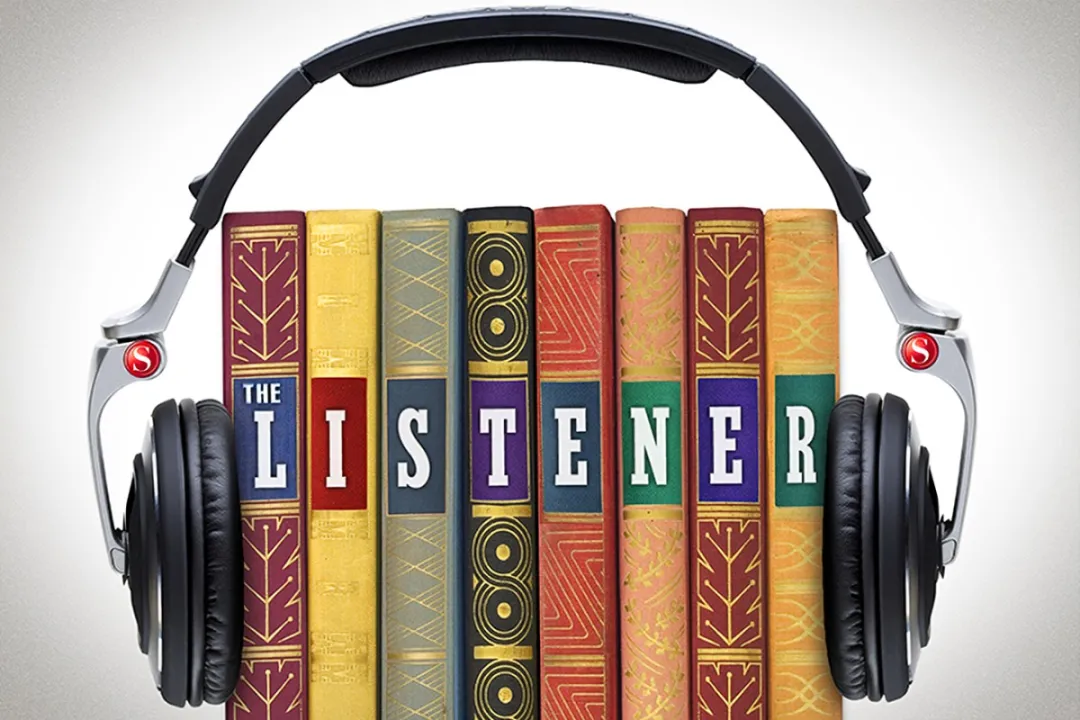

The question of which is better for learning is a major factor in the books vs audiobooks debate. So, is it better to read or listen to books for learning? The answer is that for deep, critical learning, reading a physical book often has a clear advantage, but for general knowledge and for people with certain learning styles, audiobooks can be an incredibly powerful tool.
Here’s a look at the key differences between reading and listening for learning:
The Case for Reading:
-
Deep, Critical Learning: Reading is a highly active process that requires a high level of focus and concentration. This is a key factor in deep, critical learning. When you're reading, you are actively engaging with the material, which can lead to a deeper understanding and a higher level of retention. This is the heart of the active vs passive learning debate.
-
Note-Taking and Highlighting: With a physical book, it's easy to take notes, highlight key passages, and write in the margins. This is a powerful tool for solidifying information in your memory and for reviewing the material later.
-
Visual Learning: For people who are visual learners, the act of seeing the words on the page is a powerful tool for learning. The visual cues of a book can help to create a mental map of the information, which can be a powerful tool for recall.
The Case for Listening:
-
General Knowledge and Exposure: Audiobooks are a great way to get a general understanding of a topic or to expose yourself to new ideas. You can listen to an audiobook while you're doing other things, which can be a great way to consume information without having to set aside a specific time for it. This is a key factor in the debate over are audiobooks good for learning.
-
Auditory Learners: For people who are auditory learners, listening to an audiobook can be a powerful tool for learning. The act of hearing the words and the inflections of the narrator can help to bring the material to life.
-
Multitasking: The biggest advantage of audiobooks is that they allow you to multitask. You can listen to an audiobook while you're cleaning the house, commuting, or exercising. This can be a great way to use your time more efficiently.
Conclusion: So, is it better to read or listen to books for learning? For deep, critical learning and for a high level of retention, reading a physical book often has a clear advantage. But for general knowledge and for people who are auditory learners, audiobooks can be a powerful tool. The best way to learn is to understand your own learning style and to choose the medium that works best for you. This is a major factor in the debate over books vs audiobooks for students.
4. What are the benefits of reading physical books?
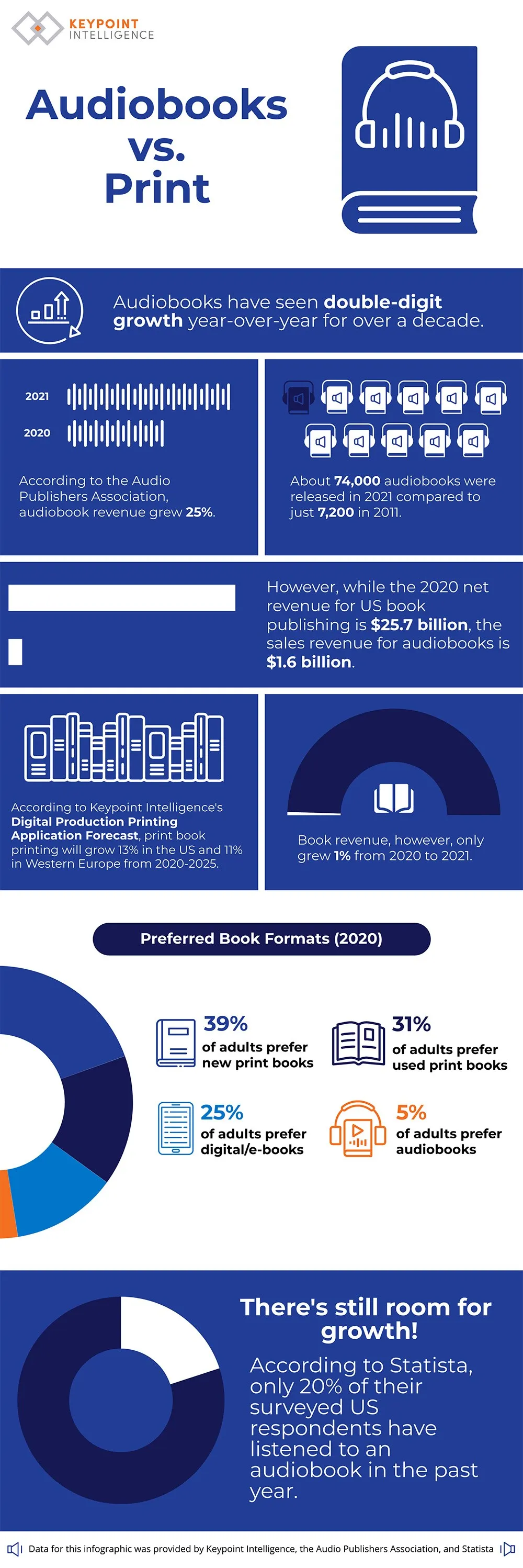

In a world of e-readers and audiobooks, the physical book can seem like a relic of the past. But for many people, there is still nothing that can replace the experience of a physical book. So, what are the benefits of reading physical books? The advantages are a powerful mix of psychological, cognitive, and sensory benefits that are a direct result of the physical act of reading.
Here’s a look at the key benefits of reading books:
-
Better Retention: As we’ve discussed, reading a physical book often leads to a higher level of retention. The active engagement, the mental map, and the ease of repetition that come with a physical book are powerful tools for the brain. This is a major factor in the debate over does reading improve memory.
-
Improved Focus and Concentration: Reading a physical book requires a high level of focus and concentration. The act of sitting down with a book and shutting out the world is a powerful tool for improving your focus and your ability to concentrate. This is a key component of is reading better for focus than audiobooks?
-
A Sensory Experience: The physical book is a sensory experience. The feel of the paper, the smell of the pages, and the weight of the book in your hands are all part of the experience. This sensory engagement can help to make the experience more immersive and more memorable.
-
Better Sleep: Reading a physical book before bed can be a powerful tool for improving your sleep. The act of reading helps to relax your mind and to prepare your body for sleep. The blue light from a screen, on the other hand, can disrupt your sleep and make it harder to fall asleep.
-
A Deeper Connection: A physical book is a tangible object. You can write in the margins, highlight key passages, and see the progress you've made. This can help to create a deeper connection to the material and to the experience of reading.
Conclusion: The benefits of reading books are a powerful mix of psychological, cognitive, and sensory advantages. While e-readers and audiobooks are convenient, they simply can't replace the experience of a physical book. This is the heart of the books vs audiobooks debate and a major reason why many people still prefer a physical book.
5. Does listening to audiobooks count as reading?

This is a question that has sparked a lot of debate, and the answer is not a simple yes or no. So, does listening to audiobooks count as reading? The answer is that it depends on your definition of "reading."
Here’s a look at the two sides of the debate:
The Argument for "Yes":
-
The Goal is the Same: The goal of both reading and listening is to consume information from a book. The end result is the same: you have a better understanding of the story or the topic. In this sense, listening to an audiobook is simply another way of "reading." This is a key factor in the debate over are audiobooks as good as reading.
-
Accessibility: For people who are visually impaired, dyslexic, or who simply have a hard time reading, audiobooks are a powerful tool for accessing books. For these people, listening to an audiobook is their only way of "reading." In this sense, it absolutely counts.
-
Cognitive Benefits: As we've discussed, listening to an audiobook can have a host of cognitive benefits. It can improve your listening comprehension, your vocabulary, and your ability to focus. In this sense, listening to an audiobook is a form of mental exercise, just like reading.
The Argument for "No":
-
The Process is Different: The process of reading and the process of listening are fundamentally different. Reading is a highly active process where your brain is decoding symbols. Listening is a more passive process where your brain is decoding sounds. The mental work involved is simply not the same.
-
Retention is Different: As we’ve discussed, reading often leads to a higher level of retention. The mental map, the ease of repetition, and the active engagement that come with reading are powerful tools for the brain that are missing with an audiobook.
-
The Social Stigma: The social stigma around audiobooks is a real thing. Many people feel that listening to an audiobook is "cheating," and that it doesn't count as "real reading." While this is a social construct, it's a major factor in the debate.
Conclusion: So, does listening to audiobooks count as reading? The answer is that it depends on your definition of the word. If your goal is to consume information from a book, then yes, it counts. If your goal is to engage in the physical and mental act of decoding symbols, then no, it doesn't. The best way to think about it is that both are valid and powerful ways to engage with a book, and the best choice depends on your own personal goals and needs.
6. Are audiobooks good for your brain?

The rise of audiobooks has led many to ask about their impact on the brain. So, are audiobooks good for your brain? The answer is a resounding yes. A growing body of research suggests that audiobooks can have a host of cognitive benefits that are a direct result of the act of listening.
Here’s a look at the science behind audiobooks and brain activity:
-
Improved Listening Comprehension: The act of listening to an audiobook is a great way to improve your listening comprehension. Your brain is forced to process the information in real-time, which can help to improve your ability to listen and to understand what you're hearing.
-
Increased Vocabulary: Listening to an audiobook can be a great way to improve your vocabulary. You are exposed to new words and new ways of speaking, which can help to expand your vocabulary and to improve your communication skills. This is a key factor in the debate over do audiobooks improve vocabulary like reading?
-
Enhanced Focus and Concentration: While it's easier to get distracted with an audiobook, the act of listening to a story or a non-fiction book can be a great way to improve your focus and your concentration. Your brain is forced to pay attention to the story, which can help to improve your ability to focus on other tasks.
-
Increased Empathy: Studies have shown that listening to a story can increase your empathy. The act of hearing a story and the inflections of the narrator can help you to better understand the emotions and the motivations of the characters, which can lead to a greater sense of empathy.
-
A Great Workout for the Brain: The act of listening to an audiobook is a great workout for the brain. Your brain is forced to process information, to create a mental picture of the story, and to connect with the characters. This can help to keep your brain healthy and active.
Conclusion: The link between audiobooks and brain activity is clear and powerful. Listening to an audiobook can have a host of cognitive benefits, from improved listening comprehension to enhanced focus and concentration. While a physical book has its own unique benefits, it's clear that an audiobook is a powerful tool for keeping your brain healthy and active.
7. Do audiobooks improve vocabulary like reading?

One of the most powerful benefits of reading books is its ability to expand your vocabulary. But can audiobooks do the same? So, do audiobooks improve vocabulary like reading? The answer is yes, but the way they do it is a bit different.
Here’s a look at the science behind the debate:
-
Exposure to New Words: The most important factor in improving your vocabulary is exposure to new words. Both reading and listening to a book can expose you to new words, which is the first step in expanding your vocabulary.
-
Context Clues: When you encounter a new word, both reading and listening provide you with context clues that can help you to understand its meaning. The sentence, the paragraph, and the overall story can help you to infer the meaning of the word.
-
The "Visual" Advantage: When you are reading, you are seeing the word on the page. This visual cue can help you to remember the spelling and the sound of the word. With an audiobook, you are only hearing the word, which can make it harder to remember the spelling. This is a key difference between listening vs reading comprehension.
-
The "Repetition" Advantage: With a physical book, it's easy to go back and reread a sentence that contains a new word. This repetition is a powerful tool for solidifying the new word in your memory. With an audiobook, the process of going back and rereading is much more difficult.
Conclusion: So, do audiobooks improve vocabulary like reading? The answer is yes, but reading often has a slight advantage. The visual cues, the ease of repetition, and the ability to highlight a new word are all powerful tools for the brain that are missing with an audiobook. However, for people who are auditory learners or who have a hard time reading, an audiobook is an incredibly powerful tool for expanding their vocabulary.
8. Is reading better for focus than audiobooks?


In a world of constant distractions, focus is a rare and valuable commodity. So, is reading better for focus than audiobooks? The answer is a resounding yes. The physical act of reading a book is a powerful tool for improving your focus and your ability to concentrate.
Here’s a look at the science behind the link between reading and focus:
-
Active Engagement: As we've discussed, reading is a highly active process. Your brain is decoding symbols and converting them into meaning. This requires a high level of focus and concentration, which can help to improve your ability to focus on other tasks. This is a core component of active vs passive learning.
-
The "Shut Out the World" Effect: The act of sitting down with a book and shutting out the world is a powerful tool for improving your focus. It's a way to tell your brain that you are going to focus on one thing and one thing only.
-
Lack of Multitasking: When you are reading a book, you are not doing anything else. This lack of multitasking is a powerful tool for improving your focus. Your brain is not under a heavy "cognitive load," which can lead to a higher level of concentration.
-
The "Visual" Advantage: The physical book is a visual cue that you are going to focus. The words on the page, the chapters, and the page numbers are all visual cues that help to keep your brain focused on the task at hand.
Conclusion: So, is reading better for focus than audiobooks? The answer is yes. The active engagement, the lack of multitasking, and the physical act of reading are all powerful tools for improving your focus and your ability to concentrate. While an audiobook can be a great way to consume information, it is not a tool for improving your focus. This is a major factor in the debate over books vs audiobooks.
9. Can you learn faster with audiobooks?

The promise of learning while you multitask is a major draw for audiobooks. So, can you learn faster with audiobooks? The answer is yes, but the kind of learning and the level of retention are important factors to consider.
Here’s a look at the science behind learning faster with audiobooks:
-
The Speed Advantage: Audiobooks can be played at a faster speed than a person can read. For people who are good listeners, this can be a great way to consume information faster. This is a major factor in the debate over are audiobooks good for learning.
-
Multitasking: The biggest advantage of audiobooks is that they allow you to multitask. You can listen to an audiobook while you're commuting, exercising, or doing chores. This can be a great way to use your time more efficiently and to learn faster.
-
General Knowledge: For general knowledge and for a basic understanding of a topic, an audiobook can be a great way to learn faster. You can get a general overview of a topic without having to sit down and read a book.
-
The Trade-Off: The trade-off for learning faster with audiobooks is that you often have a lower level of retention. The multitasking and the passive nature of listening can lead to a lower level of focus and a lower level of retention.
Conclusion: So, can you learn faster with audiobooks? The answer is yes, but the kind of learning and the level of retention are important factors to consider. For a basic understanding of a topic, an audiobook can be a great way to learn faster. But for deep, critical learning and for a high level of retention, reading a physical book is often the better choice. The best way to learn faster is to be intentional about your learning and to choose the medium that works best for you.
10. Should students use audiobooks or traditional books for studying?

The rise of audiobooks has created a major dilemma for students. So, should students use audiobooks or traditional books for studying? The answer is that both are powerful tools, and the best choice depends on the subject, the student, and the goal of the learning.
Here’s a look at the pros and cons of books vs audiobooks for students:
The Case for Traditional Books:
-
Better for Retention and Critical Analysis: Reading a physical book is a highly active process that requires a high level of focus and concentration. This is a key factor in retention and critical analysis, which are the most important skills for a student.
-
Note-Taking and Highlighting: With a physical book, it's easy to take notes, highlight key passages, and write in the margins. This is a powerful tool for a student, as it helps to solidify information in their memory and to review the material later.
-
Better for Focus: Reading a physical book is a great way to improve your focus and your ability to concentrate. In a world of constant distractions, this is a major advantage for a student.
The Case for Audiobooks:
-
Accessibility: For students who are visually impaired, dyslexic, or who simply have a hard time reading, audiobooks are an incredibly powerful tool for accessing books.
-
Multitasking: A student can listen to an audiobook while they are on their way to class or while they are doing chores. This can be a great way to use their time more efficiently and to get a general understanding of the material.
-
For Auditory Learners: For students who are auditory learners, listening to an audiobook can be a powerful tool for learning. The act of hearing the words and the inflections of the narrator can help to bring the material to life.
Conclusion: So, should students use audiobooks or traditional books for studying? The answer is that both are powerful tools, and the best choice depends on the subject and the student. For a subject that requires a high level of critical analysis and retention, a traditional book is often the better choice. But for a subject that requires a basic understanding of the material, or for a student who is an auditory learner, an audiobook can be an incredibly powerful tool. The best way to learn is to use both and to choose the medium that works best for you.
Books vs Audiobooks: A Journey of Self-Discovery
The great debate of books vs audiobooks is not a battle of right and wrong. It's a journey of self-discovery, a question of what helps you learn better, what truly engages your mind, and what brings you the most joy. As we've seen, there are compelling benefits to both.
Reading a physical book offers a powerful mix of active engagement, better retention, and a deeper connection to the material. It's a tool for improving your focus, your memory, and your ability to think critically. The benefits of reading books are a timeless and powerful force for good.
But the audiobook is a powerful contender. It offers the promise of learning while you multitask, of consuming knowledge without being tied down to a chair. The are audiobooks good for learning is a resounding yes, especially for people who are auditory learners or who have a hard time reading.
The most important thing is to be intentional about your learning. It's about asking yourself a simple question: "What is my goal?" If your goal is to learn a topic for a test, a physical book is often the better choice. If your goal is to get a basic understanding of a topic while you're on your morning commute, an audiobook is a powerful tool.
So, whether you're a lifelong reader or a newfound listener, the most important thing is to embrace your own learning style and to choose the medium that works best for you. The journey of learning is a personal one, and the best way to get there is to choose the path that brings you the most joy.
Maybe you are interested:

Cooking at Home vs Eating Out: Which One Truly Saves You More Time and Money?

Early Bird vs Night Owl: Who Really Wins the Day?
More Like This

How to Improve Your Life: A Complete Guide to Personal Growth
by Emily Cooper
Why is sleep important? What do you need to know about sleep?
by Emily Cooper