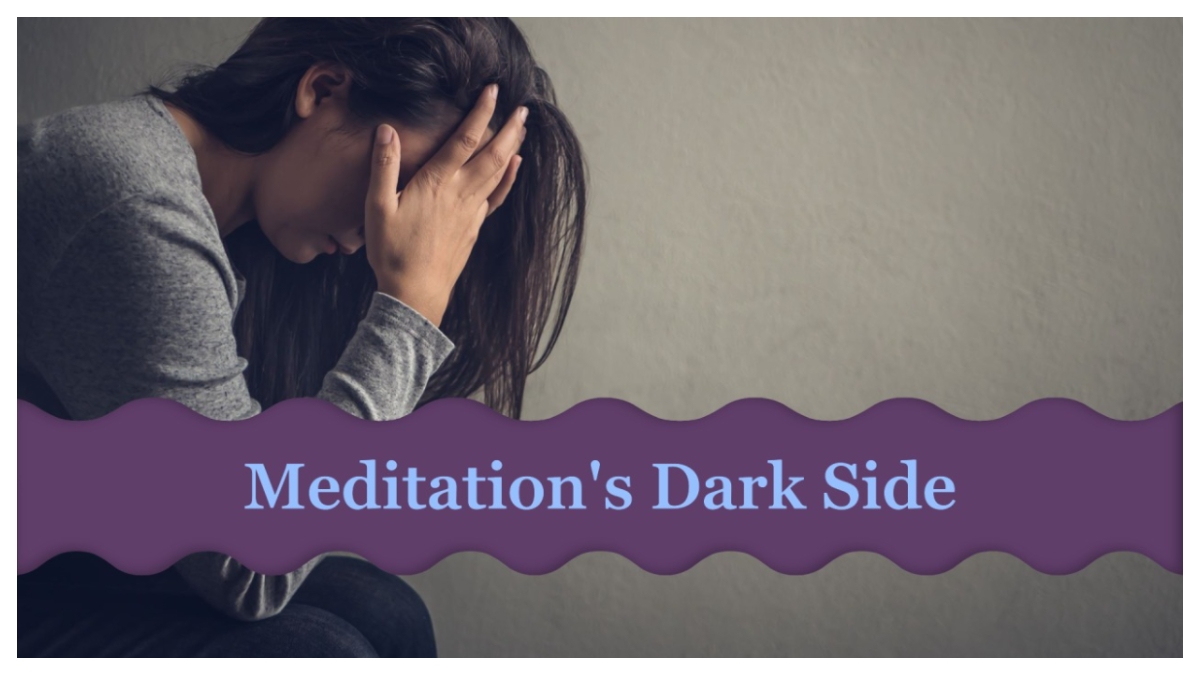
It's easy to dismiss these feelings as "just a bad day" or "a bit of stress," but sometimes, these persistent emotions signal something more. When you're struggling, it's natural to wonder: is this anxiety vs. depression? And more importantly, how do I know if it’s anxiety or depression?
The lines can often feel blurry. After all, both anxiety and depression can steal your sleep, drain your energy, and make daily life feel like an uphill battle. They're two of the most common mental health challenges globally, affecting millions, yet distinguishing between them, especially in their early stages, can be incredibly difficult. It’s not just about naming a feeling; it’s about understanding what’s truly happening so you can find the right support.
In this comprehensive guide, we're going to pull back the curtain on these two often-misunderstood conditions. We'll delve into the core difference between anxiety and depression, pinpoint their unique characteristics, and shine a light on their surprisingly common overlapping symptoms. Our goal is to equip you with the knowledge to spot the early signs of anxiety and the early signs of depression, empowering you to seek help sooner rather than later. Because when it comes to mental health, early detection isn't just helpful – it can be life-changing.
1. How do I know if it’s anxiety or depression?
The question How do I know if it’s anxiety or depression? is a critical starting point for self-assessment and seeking appropriate help. While there are significant overlapping symptoms of anxiety and depression, understanding their core emotional drivers can help you distinguish between them. This gets to the heart of the difference between anxiety and depression.
Here's a breakdown of the typical emotional landscape for each:
Anxiety: The Emotion of Fear, Worry, and Dread
At its core, anxiety is about future-oriented fear, worry, and dread. It's a persistent sense of unease or apprehension about what might happen.
-
Core Feeling: A pervasive sense of nervousness, worry, or fear, often about future events (even hypothetical ones). You might feel "on edge" or like something bad is about to happen.
-
Mental State: Racing thoughts, incessant worrying, inability to quiet the mind, feeling overwhelmed, difficulty concentrating due to intrusive anxious thoughts.
-
Physical Manifestations (often more pronounced than depression): Restlessness, irritability, muscle tension, rapid heart rate, shortness of breath, sweating, trembling, dizziness, digestive issues (nausea, stomach upset), difficulty sleeping (often due to worry). You might experience early signs of anxiety like these.
-
Behavioral Patterns: Avoidance of situations that trigger anxiety, fidgeting, pacing, difficulty sitting still, compulsive behaviors (e.g., excessive checking).
-
Primary Focus: Perceived threats, dangers, or uncertainties. The mind is often racing, trying to anticipate and prevent negative outcomes.
Depression: The Emotion of Sadness, Emptiness, and Loss of Pleasure
At its core, depression is characterized by persistent sadness, emptiness, and a profound loss of interest or pleasure in activities you once enjoyed. It's often backward-looking or focused on a pervasive present lack.
-
Core Feeling: A deep, persistent sadness, feeling "down" or "blue" most of the day, nearly every day. You might also feel numb, empty, or irritable.
-
Mental State: Feelings of hopelessness, helplessness, worthlessness, guilt, difficulty concentrating (due to sluggishness or overwhelming sadness), recurrent thoughts of death or suicide. This includes early signs of depression.
-
Physical Manifestations (often less pronounced or different from anxiety): Significant changes in appetite (eating more or less), significant changes in sleep (insomnia or hypersomnia – sleeping too much), chronic fatigue or loss of energy, unexplained aches and pains, slowed movements or speech.
-
Behavioral Patterns: Social withdrawal, isolation, neglecting responsibilities, reduced activity levels, difficulty initiating tasks, loss of interest in hobbies.
-
Primary Focus: Often ruminating on past failures or losses, feeling a lack of energy or motivation in the present, a sense that nothing matters or will get better.
People Also Ask: How do I know if it’s anxiety or depression? To distinguish between them, consider the core emotion: anxiety is primarily future-oriented fear, worry, and dread, leading to restlessness and physical tension. Depression is characterized by persistent sadness, emptiness, and a profound loss of interest or pleasure in activities, often accompanied by fatigue and hopelessness. While anxiety and depression symptoms can overlap, the dominant emotional tone and focus (future threat vs. present/past despair) can indicate which is more prominent.
If you're experiencing several of these symptoms consistently for more than two weeks, it's important to seek professional help. A mental health professional can provide a proper mental health diagnosis.
2. Can you have anxiety and depression at the same time?
The question Can you have anxiety and depression at the same time? is not only a possibility but a very common reality. In fact, co-occurrence is more common than either condition existing in isolation. It's estimated that about half of all people diagnosed with depression also have an anxiety disorder, and vice versa. This is a critical point when discussing anxiety vs depression.
Here's why and what it means:
-
High Co-Morbidity: Anxiety and depressive disorders frequently co-occur. This means someone can meet the diagnostic criteria for Major Depressive Disorder and, for example, Generalized Anxiety Disorder, or Panic Disorder, or Social Anxiety Disorder, all at once.
-
Shared Underlying Mechanisms: While distinct in their primary emotional drivers, anxiety and depression often share common neurobiological pathways and psychological vulnerabilities.
-
Neurotransmitters: Imbalances in neurotransmitters like serotonin, norepinephrine, and dopamine are implicated in both conditions.
-
Stress Response System: Both conditions involve dysregulation of the body's stress response system (the HPA axis).
-
Genetic Predisposition: A genetic predisposition to one may increase the likelihood of developing the other.
-
Life Events: Traumatic experiences, chronic stress, or significant life changes can trigger both.
-
-
Overlapping Symptoms: Many symptoms are shared, making it difficult for individuals (and sometimes even professionals) to initially differentiate. These include:
-
Sleep disturbances (insomnia or hypersomnia)
-
Fatigue or low energy
-
Irritability or restlessness
-
Difficulty concentrating or making decisions
-
Physical complaints (headaches, stomach aches)
-
Social withdrawal
-
Appetite changes
-
Feelings of hopelessness or worthlessness (though more prominent in depression, they can appear in severe anxiety). This highlights the importance of understanding overlapping symptoms of anxiety and depression.
-
-
One Can Exacerbate the Other:
-
Anxiety leading to Depression: Chronic, unmanaged anxiety can be exhausting and demoralizing. Constantly feeling worried, tense, and on edge can lead to feelings of hopelessness and helplessness, eventually manifesting as depressive symptoms. The constant "fight or flight" drains resources, making someone vulnerable to a depressive episode. This addresses can anxiety turn into depression?
-
Depression leading to Anxiety: A pervasive sense of sadness, anhedonia (loss of pleasure), and low energy can make daily tasks overwhelming, leading to anxiety about responsibilities, social interactions, or even leaving the house. The feeling of being "stuck" in depression can create significant anxiety about the future or one's ability to cope.
-
-
Impact on Treatment: When both are present, the treatment approach often needs to be more comprehensive. A medication that targets one might help the other, but sometimes a combination of medications or different therapeutic approaches is necessary. Addressing only one condition while the other remains untreated can hinder recovery. This emphasizes how are anxiety and depression treated differently? and the need for tailored strategies.
People Also Ask: Can you have anxiety and depression at the same time? Yes, it is very common to have anxiety and depression at the same time; approximately half of individuals with one condition also experience the other. This co-occurrence is due to shared neurobiological pathways, common genetic predispositions, and significant overlapping symptoms of anxiety and depression like sleep disturbances, fatigue, and difficulty concentrating. One condition can also exacerbate or lead to the development of the other, necessitating a comprehensive mental health diagnosis and tailored treatment.
Due to the high rate of co-occurrence and shared symptoms, a professional mental health diagnosis is crucial to understand your specific presentation and develop an effective treatment for anxiety and depression.
3. What are the symptoms of anxiety vs depression?
Understanding What are the symptoms of anxiety vs depression? requires a look at both their unique characteristics and their considerable areas of overlap. While distinct conditions, their symptom profiles frequently intertwine, making it challenging to identify the primary issue without professional guidance. This is the core of the signs of anxiety vs depression.
Let's break down the common symptoms for each, emphasizing their distinct manifestations:
Symptoms Primarily Associated with Anxiety (and less so with Depression):
-
Intense, Future-Oriented Worry: Persistent, excessive worry or dread about potential future events, even minor ones. This is the hallmark.
-
Restlessness and Agitation: A feeling of being "on edge," unable to relax, fidgeting, pacing, or feeling keyed up.
-
Physical Tension: Chronic muscle tension, clenching jaw, stiff neck/shoulders.
-
Fight-or-Flight Symptoms:
-
Increased Heart Rate/Palpitations: Feeling your heart pound or race.
-
Shortness of Breath/Hyperventilation: Feeling like you can't get enough air.
-
Sweating/Trembling: Shaking or clammy hands.
-
Nausea/Stomach Upset: "Butterflies" or digestive distress.
-
Dizziness/Lightheadedness: Feeling faint.
-
-
Avoidance Behaviors: Actively avoiding situations, places, or people that trigger anxiety.
-
Irritability (due to overwhelm/overstimulation): Feeling easily annoyed or frustrated by minor things. This is often the early signs of anxiety.
Symptoms Primarily Associated with Depression (and less so with Anxiety):
-
Persistent Sadness/Depressed Mood: Feeling "down," empty, hopeless, or tearful most of the day, nearly every day.
-
Anhedonia (Loss of Pleasure/Interest): A significant decrease in interest or pleasure in almost all activities, including hobbies, sex, and social interactions, that you once enjoyed. This is a very strong indicator of depression.
-
Feelings of Worthlessness or Guilt: Excessive self-blame, feelings of inadequacy, or pervasive guilt over past actions (real or imagined).
-
Sluggishness/Psychomotor Retardation: Slowed thinking, movement, or speech. Feeling "heavy" or "weighed down."
-
Apathy/Lack of Motivation: Difficulty initiating tasks, even simple ones. Feeling like "what's the point?"
-
Recurrent Thoughts of Death or Suicide: Ruminating on death, wishing you weren't alive, or making plans for suicide. This is a critical symptom requiring immediate attention. This includes early signs of depression.
Overlapping Symptoms (Common to both Anxiety and Depression):
-
Sleep Disturbances:
-
Insomnia: Difficulty falling asleep, staying asleep, or waking up too early. (Common in both, but often due to worry in anxiety, or general distress in depression).
-
Hypersomnia: Sleeping too much, feeling unrefreshed even after long sleep. (More common in depression).
-
-
Fatigue/Low Energy: Feeling constantly tired or drained, even after rest.
-
Difficulty Concentrating/Indecisiveness: Trouble focusing, remembering, or making even simple decisions.
-
Appetite Changes: Significant decrease or increase in appetite, leading to weight loss or gain.
-
Physical Aches and Pains: Unexplained headaches, body aches, or digestive problems without a clear medical cause.
-
Social Withdrawal/Isolation: Pulling away from friends, family, and social activities.
-
Irritability (can manifest differently): In depression, it's often more pervasive and related to a low mood or feeling overwhelmed. In anxiety, it's often from hyper-arousal.
People Also Ask: What are the symptoms of anxiety vs depression? The symptoms of anxiety vs depression differ in their core emotional drivers: anxiety is marked by future-oriented worry, restlessness, physical tension (racing heart, shortness of breath), and avoidance. Depression is characterized by persistent sadness, anhedonia (loss of pleasure), feelings of worthlessness, sluggishness, apathy, and thoughts of death. However, overlapping symptoms of anxiety and depression include sleep disturbances, fatigue, difficulty concentrating, appetite changes, physical aches, and social withdrawal, making professional how to tell if you have anxiety or depression assessment crucial.
It's vital to remember that a professional mental health diagnosis relies on a pattern of these symptoms over time (typically two weeks or more) and their impact on daily functioning. If you recognize several of these in yourself, especially the distinct ones, it’s a strong signal to seek professional advice.
4. Is anxiety a part of depression?
The question Is anxiety a part of depression? often arises because of the significant co-occurrence and overlapping symptoms of anxiety and depression. While anxiety is not inherently a defining diagnostic criterion for Major Depressive Disorder (MDD), it is an extremely common feature and can be a significant component of depressive experiences.
Here's how anxiety relates to depression:
-
High Co-Morbidity (Again): As mentioned, anxiety disorders and depressive disorders frequently appear together. It's more common to have both than to have either in isolation.
-
Anxiety as a "Specifier" in Depression: In the Diagnostic and Statistical Manual of Mental Disorders, Fifth Edition (DSM-5), which clinicians use for mental health diagnosis, there is a "with anxious distress" specifier for Major Depressive Disorder. This means a person can be diagnosed with MDD and have anxiety symptoms that are significant enough to warrant specific notation, even if they don't meet the full criteria for an independent anxiety disorder. This specifier is applied if at least two of the following anxiety symptoms are present during most days of a major depressive episode:
-
Feeling keyed up or Tense
-
Feeling unusually restless
-
Difficulty concentrating because of worry
-
Feeling that something awful might happen
-
Feeling that one might lose control
-
-
Anxiety as a Driver of Depression: Chronic, unmanaged anxiety can be incredibly debilitating and exhausting. The constant state of hyperarousal, worry, and physical tension can drain an individual's emotional and physical resources, leading to feelings of hopelessness, helplessness, and burnout, which are fertile ground for depression to develop. This is a clear pathway where can anxiety turn into depression?
-
Anxiety as a Consequence of Depression: Similarly, the pervasive sadness, lack of energy, and anhedonia (loss of pleasure) associated with depression can lead to significant anxiety. For example:
-
Anxiety about being able to perform daily tasks or responsibilities.
-
Social anxiety stemming from withdrawal and fear of judgment.
-
Anxiety about their condition worsening or never getting better.
-
-
Shared Underlying Vulnerabilities: Both conditions involve dysregulation of the stress response system and certain neurotransmitters. A person's genetic predisposition or adverse life experiences might make them vulnerable to both, meaning the two conditions might emerge from a similar underlying diathesis.
People Also Ask: Is anxiety a part of depression? While not a core diagnostic criterion for Major Depressive Disorder (MDD), anxiety is a very common co-occurring feature of depression, often present as an "anxious distress" specifier. Chronic anxiety can lead to depression, and the struggles of depression can, in turn, induce anxiety. Both conditions often share underlying neurobiological vulnerabilities and significant overlapping symptoms of anxiety and depression, making a comprehensive mental health diagnosis crucial to understand their intertwined nature.
In essence, while you can have depression without anxiety (and vice versa), the presence of anxiety symptoms is very common within a depressive episode, to the point where it's formally recognized. Understanding this connection is vital for an accurate mental health diagnosis and effective treatment for anxiety and depression.
5. What does untreated anxiety or depression lead to?
The question What does untreated anxiety or depression lead to? highlights the critical importance of early intervention and professional help for these common mental health conditions. While individuals may attempt to cope on their own, leaving either anxiety or depression untreated can have significant, often debilitating, and long-lasting negative consequences across various aspects of life.
Here's a breakdown of what can happen if these conditions are left unaddressed:
Consequences of Untreated Anxiety:
-
Worsening Symptoms: Anxiety disorders tend to become more severe and pervasive over time without intervention. What might start as mild worry can escalate into panic attacks, agoraphobia (fear of going outside), or debilitating phobias.
-
Physical Health Problems: Chronic anxiety keeps the body in a constant state of "fight or flight." This chronic stress response can lead to:
-
Cardiovascular issues (high blood pressure, increased risk of heart disease).
-
Digestive problems (Irritable Bowel Syndrome - IBS, ulcers).
-
Weakened immune system (more susceptibility to illness).
-
Chronic pain (headaches, muscle tension).
-
Sleep disorders (insomnia).
-
-
Impaired Daily Functioning:
-
Work/School: Difficulty concentrating, frequent absenteeism, decreased productivity, job loss or academic failure.
-
Social Life: Avoidance of social situations, withdrawal from friends and family due to social anxiety or general overwhelm.
-
Relationships: Strain on relationships due to irritability, withdrawal, or difficulty trusting.
-
-
Increased Risk of Other Mental Health Issues: Untreated anxiety significantly increases the risk of developing depression, substance abuse problems (as a coping mechanism), and other anxiety disorders. This directly answers can anxiety turn into depression?
-
Reduced Quality of Life: A constant state of worry and fear diminishes enjoyment of life, limits opportunities, and creates a pervasive sense of distress.
Consequences of Untreated Depression:
-
Worsening Severity and Duration: Depressive episodes often become more severe, last longer, and recur more frequently without treatment.
-
Physical Health Problems: Similar to anxiety, chronic depression impacts physical health:
-
Weakened immune system.
-
Increased risk of chronic pain.
-
Cardiovascular issues.
-
Sleep disorders.
-
Neglect of personal hygiene and medical care.
-
-
Significant Functional Impairment:
-
Work/School: Severe difficulty performing tasks, frequent sick days, inability to work, academic decline or dropout.
-
Social Life: Profound social isolation, withdrawal from all activities, inability to maintain relationships.
-
Self-Care: Neglect of basic needs like eating, showering, or maintaining a living space.
-
-
Increased Risk of Other Mental Health Issues: Untreated depression increases the risk of anxiety disorders, substance abuse, and eating disorders.
-
Suicide Risk: This is the most severe and tragic consequence of untreated depression. Persistent feelings of hopelessness, worthlessness, and despair can lead to suicidal ideation and, tragically, suicide attempts or death by suicide. This is a critical reason to seek early signs of depression and help.
-
Reduced Quality of Life: Life becomes devoid of pleasure, meaning, and connection, characterized by pervasive sadness, emptiness, and despair.
People Also Ask: What does untreated anxiety or depression lead to? Untreated anxiety or depression can lead to worsening symptoms, significant impairments in daily functioning (work, school, social life), and serious physical health problems due to chronic stress. Untreated anxiety can escalate into severe panic or phobias, increase the risk of depression and substance abuse, and severely reduce quality of life. Untreated depression can lead to prolonged severe episodes, profound social isolation, self-neglect, and, most critically, a substantially increased risk of suicidal ideation and behavior. Both require prompt mental health diagnosis and treatment for anxiety and depression to prevent these severe outcomes.
In both cases, early recognition of anxiety and depression symptoms and seeking professional help is paramount. Treatment can significantly alleviate symptoms, prevent progression, and restore quality of life.
6. What is the difference between panic attacks and depressive episodes?
The question What is the difference between panic attacks and depressive episodes? is important because while both can be incredibly distressing, they are distinct phenomena with different symptom profiles, durations, and underlying emotional drivers, even though they can co-occur. This helps clarify aspects of anxiety vs depression.
Let's break down their key characteristics:
Panic Attacks:
-
Nature: A sudden, abrupt surge of intense fear or discomfort that reaches a peak within minutes (typically 10-20 minutes, rarely lasting longer than an hour, though the "aftershock" can linger).
-
Core Emotion: Overwhelming fear or terror, often accompanied by a sense of impending doom or loss of control. It feels like a sudden, severe alarm going off in the body.
-
Symptoms (mostly physical, very intense):
-
Pounding heart, palpitations, or rapid heart rate.
-
Sweating, trembling, or shaking.
-
Sensations of shortness of breath or smothering.
-
Feelings of choking.
-
Chest pain or discomfort.
-
Nausea or abdominal distress.
-
Feeling dizzy, unsteady, lightheaded, or faint.
-
Chills or hot flushes.
-
Numbness or tingling sensations (paresthesias).
-
Derealization (feelings of unreality) or depersonalization (being detached from oneself).
-
Fear of losing control or "going crazy."
-
Fear of dying. These are acute, intense anxiety and depression symptoms that are clearly skewed towards anxiety.
-
-
Triggers: Can occur unexpectedly ("uncued") or be triggered by specific situations (e.g., being in a crowd for someone with agoraphobia, or a social event for someone with social anxiety).
-
Duration: Short-lived, intense bursts.
-
Relationship to Anxiety: Panic attacks are a hallmark symptom of Panic Disorder, and can also occur in the context of other anxiety disorders (like social anxiety or specific phobias). They represent an extreme manifestation of anxiety.
Depressive Episodes (Major Depressive Episode):
-
Nature: A period of at least two consecutive weeks (and often much longer, months to years) during which a person experiences a pervasive depressed mood or a loss of interest or pleasure in nearly all activities.
-
Core Emotion: Persistent sadness, emptiness, hopelessness, despair, or irritability. A feeling of profound emotional flatness or numbness.
-
Symptoms (primarily emotional and cognitive, but with physical impact):
-
Depressed mood most of the day, nearly every day.
-
Markedly diminished interest or pleasure in all, or almost all, activities (anhedonia).
-
Significant weight loss or gain, or decrease/increase in appetite.
-
Insomnia or hypersomnia (sleeping too little or too much).
-
Psychomotor agitation (restlessness) or retardation (slowed movements/speech).
-
Fatigue or loss of energy nearly every day.
-
Feelings of worthlessness or excessive/inappropriate guilt.
-
Diminished ability to think or concentrate, or indecisiveness.
-
Recurrent thoughts of death, suicidal ideation, or suicide attempts. These are the definitive early signs of depression.
-
-
Triggers: Often no specific immediate trigger, or they can be triggered by chronic stress, loss, trauma, or even seasonal changes. They typically evolve over time.
-
Duration: Prolonged periods (weeks to months or even longer).
-
Relationship to Depression: A major depressive episode is the diagnostic criterion for Major Depressive Disorder (MDD).
People Also Ask: What is the difference between panic attacks and depressive episodes? Panic attacks are sudden, intense, short-lived (minutes) surges of overwhelming fear with acute physical symptoms like a racing heart, shortness of breath, and fear of dying or losing control, characteristic of anxiety disorders. Depressive episodes are prolonged periods (weeks to months) characterized by pervasive sadness, loss of pleasure (anhedonia), fatigue, feelings of worthlessness, and often thoughts of death or suicide, defining Major Depressive Disorder. While both cause distress, their core emotional drivers, symptom presentation, and duration are distinct.
While it is possible to experience a panic attack during a depressive episode (or vice versa), they are distinct clinical presentations. Understanding this difference between anxiety and depression at this level is crucial for accurate mental health diagnosis and effective treatment for anxiety and depression.
7. Can anxiety turn into depression?
The question Can anxiety turn into depression? is frequently asked, and the answer is a clear and unequivocal YES. It's a very common pathway for mental health challenges to evolve, highlighting the interconnectedness of these two conditions. This is a critical aspect of the anxiety vs depression relationship.
Here's why and how anxiety can transition into or significantly contribute to depression:
-
Chronic Stress and Exhaustion:
-
Living with persistent, chronic anxiety is incredibly draining. The body is constantly in a state of hyperarousal, activating the "fight or flight" response repeatedly. This leads to continuous release of stress hormones like cortisol and adrenaline.
-
This prolonged physiological and psychological stress can deplete the body's resources, leading to profound physical and mental exhaustion. When the body and mind are perpetually "on," they eventually burn out.
-
-
Feelings of Helplessness and Hopelessness:
-
Constant worry, an inability to quiet the mind, and the pervasive physical symptoms of anxiety can lead to feelings of being overwhelmed, helpless, and out of control.
-
When an individual feels that their anxiety is unmanageable or that they can't escape the cycle of worry, a sense of hopelessness can set in. This is a core symptom of depression. "What's the point of trying if I'll always feel this way?"
-
-
Withdrawal and Isolation:
-
Anxiety, especially social anxiety or panic disorder with agoraphobia, often leads to avoidance behaviors. People withdraw from social activities, work, or school to prevent anxiety triggers.
-
This increasing isolation can compound feelings of loneliness, sadness, and worthlessness, creating a fertile ground for depression to take root. Lack of social connection is a major risk factor for depression.
-
-
Impaired Functioning and Loss of Pleasure:
-
The pervasive nature of anxiety can interfere significantly with daily life, making it difficult to perform at work, engage in hobbies, or maintain relationships.
-
As life shrinks due to anxiety-driven avoidance, individuals may experience a loss of pleasure in activities they once enjoyed (anhedonia), a hallmark symptom of depression. The anxiety has effectively "stolen" their joy.
-
-
Neurobiological Changes:
-
Chronic stress and the associated neurological changes (e.g., in the hippocampus, amygdala, and prefrontal cortex, and neurotransmitter systems) can increase vulnerability to depressive episodes. The prolonged activation of stress pathways can alter brain chemistry and function in ways that predispose to depression.
-
People Also Ask: Can anxiety turn into depression? Yes, anxiety can turn into depression; it's a very common progression. Chronic, unmanaged anxiety leads to emotional and physical exhaustion from constant "fight or flight" activation. This persistent state of worry, helplessness, social withdrawal, and impaired functioning can deplete mental resources, leading to feelings of hopelessness and a loss of pleasure in life, which are hallmarks of depression. The ongoing stress also contributes to neurobiological changes that increase vulnerability to depressive episodes.
This pathway underscores why early identification of early signs of anxiety and prompt treatment for anxiety and depression are so crucial. Addressing anxiety effectively can prevent its progression to a depressive disorder.
8. How are anxiety and depression treated differently?
The question How are anxiety and depression treated differently? is vital because while there are overlaps in treatment approaches, understanding their unique characteristics allows for more targeted and effective interventions. A precise mental health diagnosis is key here.
Here's a look at how treatments can differ, and where they often converge:
A. Psychotherapy (Talk Therapy):
-
Cognitive Behavioral Therapy (CBT):
-
Shared: CBT is a highly effective, first-line treatment for both anxiety and depression. It teaches individuals to identify and change unhelpful thinking patterns (cognitive distortions) and behaviors that contribute to their symptoms.
-
Differences in Focus:
-
For Anxiety: CBT often focuses on techniques like exposure therapy (gradually confronting feared situations), challenging anxious predictions, and practicing relaxation techniques. It aims to reduce avoidance and modify catastrophic thinking about future threats.
-
For Depression: CBT focuses on challenging negative core beliefs about self, world, and future; increasing engaging behaviors (behavioral activation) to counteract anhedonia and withdrawal; and improving problem-solving skills.
-
-
-
Other Therapies:
-
Acceptance and Commitment Therapy (ACT): Effective for both, focusing on accepting difficult thoughts/feelings and committing to values-driven actions.
-
Interpersonal Therapy (IPT): More commonly used for depression, focusing on improving relationships and social roles.
-
Psychodynamic Therapy: Can be used for both, exploring unconscious conflicts and past experiences.
-
Mindfulness-Based Stress Reduction (MBSR): Beneficial for both, enhancing present-moment awareness.
-
B. Medication:
-
Antidepressants:
-
SSRIs (Selective Serotonin Reuptake Inhibitors) & SNRIs (Serotonin-Norepinephrine Reuptake Inhibitors): These are the most common first-line medications for both anxiety disorders and depressive disorders. They work by increasing the availability of certain neurotransmitters (like serotonin) in the brain, which play a role in mood and anxiety regulation.
-
Tricyclic Antidepressants (TCAs) and MAOIs (Monoamine Oxidase Inhibitors): Older classes of antidepressants, less commonly used due to side effects but still effective for severe or resistant cases.
-
-
Anxiolytics (Anti-Anxiety Medications):
-
Benzodiazepines: Often prescribed for acute, severe anxiety or panic attacks (e.g., Xanax, Klonopin). They work quickly but are typically for short-term use due to risk of dependence and sedation. Not usually prescribed for long-term depression.
-
Buspirone: An anti-anxiety medication that is not a benzodiazepine and has a lower risk of dependence; primarily for generalized anxiety.
-
-
Mood Stabilizers/Antipsychotics: In some complex cases, or if there's a co-occurring bipolar disorder or severe psychotic features, these might be considered, though less common for typical anxiety or depression alone.
C. Lifestyle Interventions:
-
Shared: Many lifestyle changes benefit both conditions:
-
Regular exercise (crucial for both).
-
Balanced diet.
-
Adequate sleep hygiene.
-
Stress reduction techniques (mindfulness, yoga, deep breathing for anxiety).
-
Avoiding alcohol/drugs (can worsen both).
-
Building a strong social support network.
-
-
Nuances:
-
For depression, behavioral activation (scheduling enjoyable activities) is often emphasized to combat anhedonia.
-
For anxiety, exposure to feared situations (in a controlled way) is key to breaking avoidance cycles.
-
People Also Ask: How are anxiety and depression treated differently? While treatment for anxiety and depression often share commonalities like CBT and SSRI/SNRI medications, their focus varies. CBT for anxiety emphasizes challenging anxious predictions and exposure therapy, while CBT for depression focuses on behavioral activation and challenging negative core beliefs. Medications also differ: while antidepressants are widely used for both, fast-acting anxiolytics (like benzodiazepines) are primarily for acute anxiety/panic, not depression. Lifestyle interventions also have nuanced applications tailored to each condition's primary symptoms.
Ultimately, the best treatment for anxiety and depression often involves a multi-faceted approach tailored to the individual's specific anxiety and depression symptoms, the severity of their condition, and whether they are experiencing overlapping symptoms of anxiety and depression. A mental health professional conducts a thorough mental health diagnosis to guide this personalized plan.
9. What should I do if I think I have anxiety or depression?
The question What should I do if I think I have anxiety or depression? is perhaps the most important one. Recognizing the possibility is the first, courageous step. The next, equally crucial step, is to seek help. You don't have to navigate this alone.
Here's a practical guide on what to do if you suspect you're experiencing symptoms of anxiety or depression:
-
Acknowledge and Validate Your Feelings:
-
It's okay to not be okay. Mental health challenges are common and treatable. Don't minimize what you're feeling or try to "tough it out" alone.
-
Educate yourself. Reading resources like this blog is a great start to understanding anxiety vs depression and their anxiety and depression symptoms.
-
-
Reach Out to a Trusted Person:
-
Talk to a close friend, family member, partner, or colleague you trust. Sharing what you're going through can alleviate some of the burden and provide initial emotional support. They might also be able to offer an objective perspective or help you take the next steps.
-
-
Consult a Healthcare Professional:
-
Your Primary Care Physician (PCP): This is often the easiest first step. Your family doctor can conduct an initial assessment, rule out any underlying physical health conditions that might mimic mental health symptoms, and discuss your anxiety and depression symptoms. They can also provide referrals to mental health specialists.
-
Mental Health Professionals:
-
Psychologist/Therapist/Counselor: These professionals provide psychotherapy (talk therapy) like CBT, ACT, etc. They can help you develop coping strategies, process emotions, and address underlying issues. They are crucial for a proper mental health diagnosis and treatment for anxiety and depression.
-
Psychiatrist: A medical doctor specializing in mental health who can diagnose mental health conditions and prescribe and manage medication. If your symptoms are severe or significantly impacting your daily life, a psychiatrist may be recommended in conjunction with therapy.
-
-
School Counselor/University Health Services: If you are a student, these resources are often available and can be a good starting point.
-
-
Prepare for Your Appointment:
-
Before your appointment, make notes about your symptoms:
-
What are you experiencing (e.g., constant worry, persistent sadness, difficulty sleeping, fatigue, loss of interest)?
-
How long have these symptoms been present?
-
How severely are they impacting your daily life (work, school, relationships, self-care)?
-
Have you noticed any early signs of anxiety or early signs of depression?
-
Any family history of mental health conditions?
-
Any recent significant life events or stressors?
-
-
This information will help the professional make an accurate mental health diagnosis.
-
-
Explore Self-Help Strategies (While Awaiting Professional Help):
-
These are complementary, not substitutes for professional care.
-
Deep breathing techniques: Practice deep breathing for anxiety (e.g., box breathing, 4-7-8 breathing) for immediate calm.
-
Mindfulness/Meditation: Try meditation for beginners apps or guided meditations (even 5-10 minutes daily).
-
Gentle Exercise: Even a daily walk can help.
-
Healthy Diet and Sleep Hygiene: Prioritize these foundations.
-
Limit Stimulants/Depressants: Reduce caffeine, alcohol, and nicotine.
-
-
Be Patient and Persistent:
-
Finding the right therapist or medication can take time. Don't get discouraged if the first approach isn't a perfect fit.
-
Treatment for anxiety and depression is a journey, not a quick fix. Consistency is key.
-
People Also Ask: What should I do if I think I have anxiety or depression? If you suspect you have anxiety or depression, the most crucial step is to seek professional help. Start by talking to a trusted person, then consult your primary care physician or directly contact a mental health professional like a psychologist, therapist, or psychiatrist for a proper mental health diagnosis. Prepare by noting your anxiety and depression symptoms and their impact. While awaiting professional help, utilize self-help strategies like deep breathing for anxiety and meditation for beginners. Remember, early intervention is key, and you don't have to go through this alone.
Your mental health is just as important as your physical health. Taking action is a sign of strength, not weakness.
10. Are there tests to diagnose anxiety vs depression?
The question Are there tests to diagnose anxiety vs depression? is a good one, as many people look for objective measures in mental health, similar to blood tests for physical conditions. While there isn't a definitive blood test or brain scan that can solely diagnose anxiety or depression, mental health professionals use a comprehensive assessment process that includes standardized screening tools and clinical evaluations. This guides the mental health diagnosis.
Here's how mental health conditions like anxiety and depression are typically diagnosed:
A. Clinical Interview (The Gold Standard):
-
This is the most crucial part of the diagnostic process. A psychiatrist, psychologist, or other qualified mental health professional will conduct a thorough interview.
-
What they ask about:
-
Your specific anxiety and depression symptoms: what you're experiencing, how long, how often, and how severe they are.
-
Your thoughts, feelings, and behaviors.
-
Your medical history, family history of mental illness, and any current medications.
-
Significant life events, stressors, and coping mechanisms.
-
Your daily functioning in various areas (work, school, relationships, self-care).
-
They will ask questions that help differentiate between the core symptoms of anxiety (future-oriented worry, physical restlessness) and depression (persistent sadness, anhedonia, low energy), as well as identifying overlapping symptoms of anxiety and depression.
-
They will use criteria outlined in diagnostic manuals like the DSM-5 (Diagnostic and Statistical Manual of Mental Disorders, Fifth Edition) to determine if your symptoms meet the criteria for a specific anxiety disorder (e.g., Generalized Anxiety Disorder, Panic Disorder, Social Anxiety Disorder) or a depressive disorder (e.g., Major Depressive Disorder).
-
B. Standardized Screening Questionnaires/Scales:
-
These are not diagnostic on their own, but they are valuable tools used by clinicians to:
-
Identify potential symptoms: They help flag areas of concern and quantify symptom severity.
-
Track progress: They can be used over time to see if symptoms are improving with treatment for anxiety and depression.
-
Aid in differential diagnosis: Some scales are designed to help differentiate between anxiety and depressive symptoms.
-
-
Common Examples:
-
GAD-7 (Generalized Anxiety Disorder 7-item scale): Screens for generalized anxiety.
-
PHQ-9 (Patient Health Questionnaire-9): Screens for depressive symptoms.
-
Beck Depression Inventory (BDI) / Beck Anxiety Inventory (BAI): More extensive self-report questionnaires.
-
Hamilton Anxiety Rating Scale (HAM-A) / Hamilton Depression Rating Scale (HAM-D): Clinician-administered scales.
-
-
Important Note: A high score on one of these scales does not automatically mean you have that disorder. It indicates that further assessment by a professional is warranted.
C. Ruling Out Medical Conditions:
-
Your primary care physician may order blood tests (e.g., thyroid function, vitamin deficiencies, blood sugar levels) to rule out physical health conditions that can present with symptoms similar to anxiety or depression. For instance, an overactive thyroid can mimic anxiety symptoms, while an underactive thyroid can mimic depression.
D. Psychological Testing (Less Common for Initial Diagnosis, More for Deeper Insight):
-
In some cases, a psychologist might administer more extensive psychological tests to gain deeper insights into personality, cognitive functioning, or specific symptom profiles, but these are usually supplementary to the clinical interview.
People Also Ask: Are there tests to diagnose anxiety vs depression?* While there are no single "tests" like blood work to definitively diagnose anxiety vs depression, mental health professionals use a comprehensive diagnostic process. This primarily involves a thorough clinical interview to evaluate your specific anxiety and depression symptoms, history, and functional impact against diagnostic criteria. Standardized screening questionnaires (like GAD-7 or PHQ-9) are also used to identify potential symptoms and track severity. Medical tests may be conducted to rule out physical conditions mimicking symptoms.
In essence, the "test" for diagnosing anxiety or depression is a skilled professional's comprehensive evaluation, using a combination of detailed conversation and validated assessment tools to understand the full picture of your mental health diagnosis.
Your Mental Health Journey: Clarity and Empowerment
Navigating the waters of mental health can feel like sailing through a fog, especially when trying to discern if you're dealing with anxiety vs. depression. As we've explored, while they share overlapping symptoms and often co-exist, understanding their distinct core emotions – anxiety as future-oriented fear and depression as persistent sadness and loss of pleasure – is your first compass point.
Recognizing the early signs of anxiety (that persistent worry, restlessness, racing heart) or the early signs of depression (that pervasive sadness, loss of interest, crushing fatigue) is incredibly powerful. It's the moment you can choose to take action, rather than letting these conditions deepen and impact every facet of your life. Remember, untreated anxiety or depression can lead to significant physical health problems, impaired functioning, and a profound reduction in your quality of life.
The good news is that both conditions are highly treatable. Whether through targeted therapy like CBT, appropriate medication, or crucial lifestyle adjustments, effective treatment for anxiety and depression is available. So, if you've been asking yourself, how do I know if it’s anxiety or depression? or thinking, what should I do if I think I have anxiety or depression? – the answer is clear: reach out. Talk to a trusted person, schedule an appointment with your doctor or a mental health professional.
Your mental well-being is just as vital as your physical health. By seeking a proper mental health diagnosis and engaging in tailored support, you're not just spotting the difference early; you're stepping onto a path of healing, resilience, and reclaiming your peace of mind. You deserve to feel well, and help is available.
Maybe you are interested:
Mindfulness vs Mind-Wandering: Surprising Benefits of Both for Mental Clarity

Meditation vs Deep Breathing: Which Calms Anxiety Faster and More Effectively?
More Like This


How to Improve Your Life: A Complete Guide to Personal Growth
by Emily Cooper
Why is sleep important? What do you need to know about sleep?
by Emily Cooper